South Africa's hidden child exploitation crisis demands urgent action
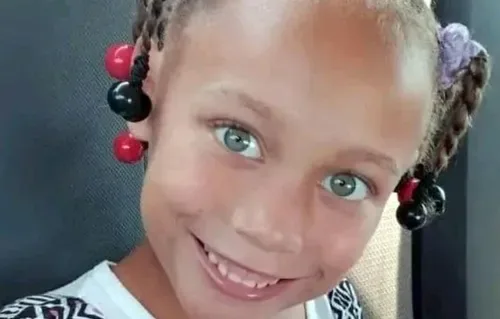
CHILD EXPLOITATION: A haunting case from Strandfontein highlights the urgent need for South Africa to confront the chilling reality of child exploitation and trafficking. As children fall prey to a system that turns vulnerability into profit, the time has come for society to act before more lives are irrevocably damaged.
There is something profoundly disturbing about the idea that an 11-year-old child could be treated as a source of income. But what should disturb us even more is that we can look at a case like this, call it horrific and move on, without asking how many other children are being exploited right under our noses.
In Strandfontein, a community resident has raised the alarm over allegations that an 11-year-old girl was being sexually exploited for as little as R100. A video in which he appeals for help has since trended across social media.
According to the resident, the father allegedly said the girl had to "work" because he had no money, expecting an 11-year-old child to earn whatever he fails to provide.
Regardless of the sordid details, this is not simply a story about a desperately poor family making desperate decisions. It is a story about what happens when a child's vulnerability becomes something adults believe they can profit from.
That is where South Africa needs to have a much bigger conversation about child trafficking. From Joshlin Smith, to Omphile Sithole, to Lebone and Lethabo Phalatse, and so many more, children are being snatched up from right under our noses, and too little is being done to stop this ruthlessness.
According to the SAPS Missing Persons Bureau data, approximately 1,700 children are reported missing every year. That's one child disappearing every five hours. Worse, these do not even constitute the countless cases that go unreported.
When we hear the word "trafficking," many of us still imagine something distant and organised: children being smuggled across borders, strangers luring children into cars, criminal syndicates operating somewhere beyond our view. But exploitation does not always announce itself that way. Sometimes it happens inside our communities, schools and homes. Sometimes it happens through people children know. Sometimes the person who is supposed to protect the child is the person putting them at risk. And sometimes, poverty is used to make the unthinkable sound inevitable, when actually, it isn't.
South Africa is one of the most unequal countries in the world. We know what poverty looks like. We know how unemployment ravages households. We know what happens when families are forced to survive without enough food, decent housing or meaningful economic opportunities. But there has to be a line we refuse to cross. A child's body cannot become that line.
The moment we start explaining the sexual exploitation of children primarily through poverty, we risk making exploitation sound like an unfortunate consequence of being poor, rather than the deplorable abuse of power that it is.
Children are particularly vulnerable because they have little-to-no power to escape exploitation.
5News aggregated this summary from the outlet’s public feed. The full article, with all the context, is on iol.co.za — the content belongs to IOL.