FRED ARENDSE | Abandoned mines: the missing piece in the fight against illegal mining
South Africa cannot wish away the illegal mining crisis while leaving thousands of abandoned, derelict and ownerless mines without proper security or rehabilitation.
Much like the crisis of hijacked buildings, abandoned mines create spaces that can be exploited when they are neglected.
We have seen this movie before in Gangster’s Paradise: Jerusalema (2008), where abandoned buildings become vulnerable to unlawful occupation and criminal syndicates. Once criminal networks take control of neglected spaces, reclaiming them becomes far more difficult.
The same warning applies to abandoned mines. These sites are not simply remnants of South Africa’s mining past. They can become national safety, environmental and security risks, providing opportunities for criminal networks to exploit mineral resources and surrounding communities.
The scale of the challenge is staggering. South Africa has about 6,100 derelict and ownerless mines , according to figures previously presented to parliament by the department of mineral and petroleum resources. These sites can become breeding grounds for illegal mining and related criminal activity, while posing serious risks to communities, workers and the environment.
Against this backdrop, the newly released General Mining Laws Amendment Bill presents an important opportunity. The bill seeks to strengthen the legislative framework to combat illicit mining and related activities that threaten public safety, economic development and the sustainable management of South Africa’s mineral resources.
But a glaring question must be asked: should the legislative response not also comprehensively address abandoned and derelict mines?
The bill understandably focuses on the criminal conduct associated with illicit mining. Organised criminal syndicates exploiting South Africa’s mineral wealth must be confronted. Those financing, organising and profiting from illegal mining should face the full force of the law.
However, we must also address the conditions that allow these activities to flourish.
An abandoned or inadequately secured mine can provide the physical infrastructure for illegal mining. Open shafts, unsecured workings, mine dumps and accessible underground operations create opportunities for people to enter dangerous sites and for criminal networks to exploit mineral resources.
If these sites remain accessible and inadequately rehabilitated, law enforcement is effectively being asked to treat the symptoms while the underlying conditions remain.
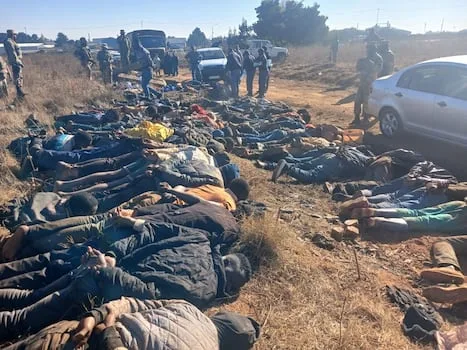
The recent incident in North West is a stark reminder of this reality. The deaths of suspected illegal miners at a disused mining site demonstrate how abandoned mines can become acute safety risks when they are not properly secured and rehabilitated.
Regardless of whether people enter these sites legally or illegally, the consequences can be fatal.
Government, mining rights holders and other relevant stakeholders must work together to ensure that closure and rehabilitation measures are implemented effectively and that communities are protected from preventable harm.
5News aggregated this summary from the outlet’s public feed. The full article, with all the context, is on www.sowetanlive.co.za — the content belongs to Sowetan.