THE CONVERSATION: Urban foraging is a growing trend that calls for better planning
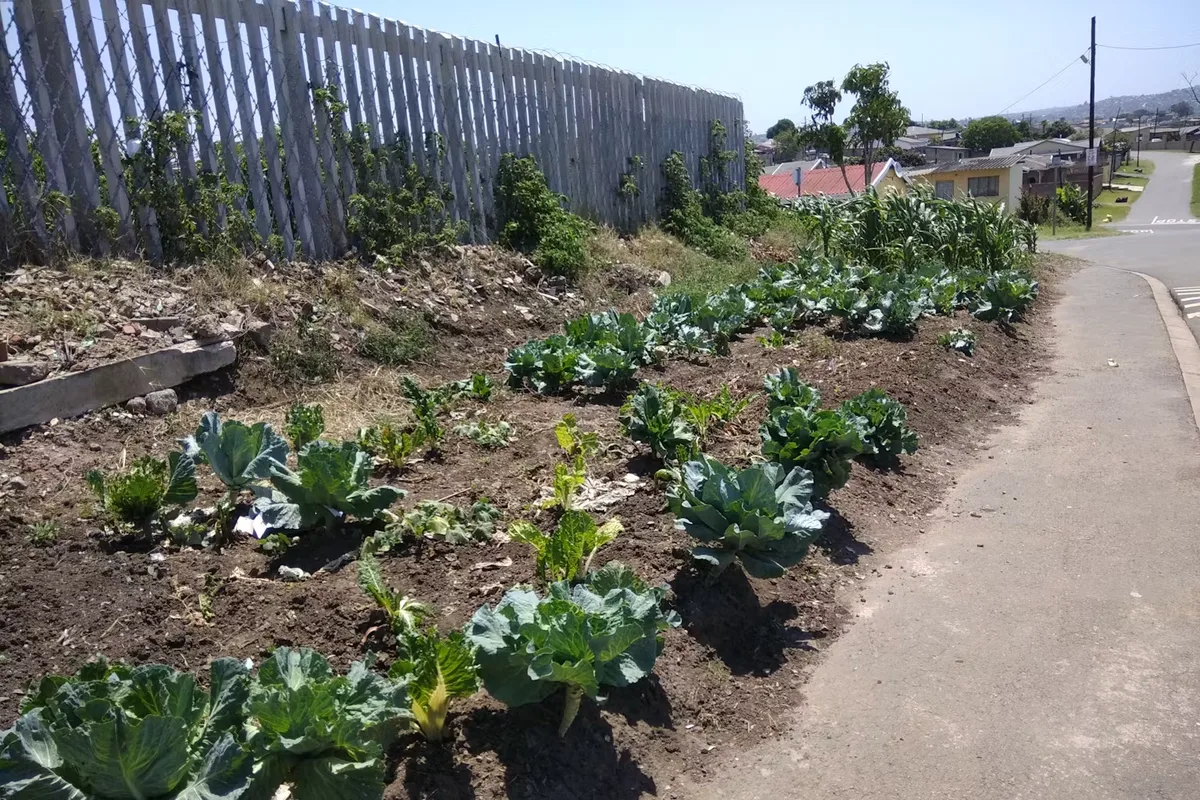
Urban foraging is gaining popularity in South African cities, offering food, cultural connection and wellbeing. Research suggests municipalities could support it by creating dedicated foraging spaces and clear rules that protect both people and biodiversity.
Foraging , the act of gathering wild plant and animal materials from the environment, is becoming more and more popular in cities around the world. In South African cities, some people pick wild berries and imifino (wild spinach) in open areas, considering them to be fresher and more nutritious than store-bought foods.
Many people also associate foraging with their cultural heritage, reminding them of time spent in the bush or on rocky beaches harvesting mussels with elders or childhood friends.
But although some plants that are popular with foragers are also grown in public parks, many people who forage in cities worry they could be told to stop by the authorities if they forage in public parks and gardens. My research found that this fear is often misplaced.
I am an urban ecologist, and for my PhD , I investigated the ways in which urban people connect with nature through foraging.
I also visited cities along SA’s East Coast and interviewed 80 foragers and 15 municipal officials who manage public parks, gardens, verges and nature reserves, and looked at the theories behind foraging. I wanted to find out whether city residents shared an understanding of how foraging could benefit both people and nature, and where people could forage safely and sustainably.
My research found that most people gathered plants from vacant land and roadsides, avoiding parks and public gardens because they feared being reprimanded. But land managers generally supported foraging in public spaces, and some even planted useful species for people to harvest.
Better communication between residents and land managers could help make urban foraging work for both people and nature.
My research identified four main urban green spaces that can be managed by land managers and the public to make them better for foraging. These were communal residential gardens and yards, public street sides and verges, public parks and gardens, and nature reserves. I didn’t look into vacant land, because although these lots are important spaces for foragers, they are not actively managed by the municipality or their owners.
I then looked at how people could protect urban biodiversity while still using it. A common concern, often described as the “Tragedy of the Commons” , is that if everyone freely collects wild plants and other resources, populations will be depleted and habitats damaged. But research has shown that this isn’t always true. Where people share an interest in a resource, they can agree on ways to use it without destroying it.
For urban foraging, this could mean that foragers, land managers and other people using the same spaces agree on what can be collected and where.
5News aggregated this summary from the outlet’s public feed. The full article, with all the context, is on www.dailymaverick.co.za — the content belongs to Daily Maverick.