Tshwane probes cluster of stomach-related illnesses in Bronkhorstspruit
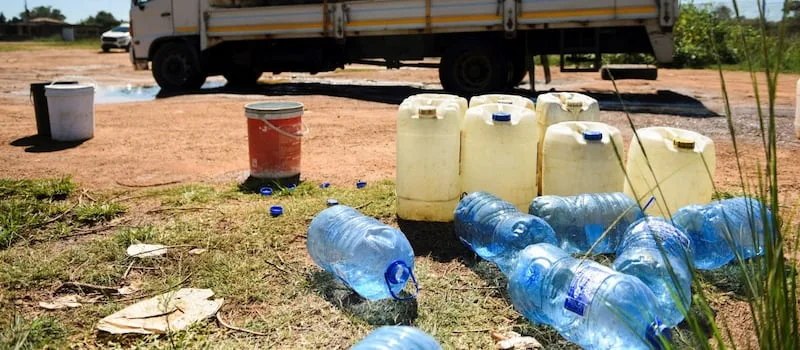
The City of Tshwane is investigating the cause of a cluster of diarrhoea and other stomach-related illnesses in Bronkhorstspruit, after up to 160 cases were reported in six days.
According to the city, 140-160 cases were reported between October 7 and 12, with most patients treated at Bronkhorstspruit Hospital.
Additional cases were reported at Mamelodi Hospital, Steve Biko Academic Hospital and Wilgers Hospital, and no deaths have been reported.
Tshwane MMC for health Tshegofatso Mashabela said that while the illness may be water-borne, the true cause has not yet been established.
“The city has intensified testing at the Bronkhorstspruit water treatment plant and across the distribution network to identify any possible linkage. A multidisciplinary team comprising the City of Tshwane, Tshwane district health services and the provincial and national departments of health is investigating the cases,” Mashabela said.
She said blood and stool test results from patients are still pending.
While the city is investigating the matter and implementing various interventions, she encouraged residents to use alternative safe water supplies, including water supplied by city tankers, as a precaution.
“Alternative water supply measures remain in place. Tankers serving Region 7 source water from Cullinan, outside the affected supply area. City-owned tankers are disinfected daily, and drivers have been trained in the safe handling of drinking water. The city’s immediate concern is for the residents who are ill and the families caring for them. We understand the concern this is causing and are working to establish what is making people ill as quickly as possible,” she said.
Meanwhile, she said work continues at the Bronkhorstspruit water treatment plant to improve water quality and supply reliability, as part of the city’s water stabilisation plan and the longer-term water master plan .
This includes refurbishing the filtration system, improving pumping infrastructure, cleaning and disinfecting reservoirs, and increasing water-quality monitoring.
Mashabela said the city is procuring a broader refurbishment of the treatment plant to modernise ageing infrastructure, improve treatment processes, and restore the plant to its full design capacity of 54-million litres a day.
5News aggregated this summary from the outlet’s public feed. The full article, with all the context, is on www.timeslive.co.za — the content belongs to TimesLIVE News.