Academics have a duty to warn society about disasters before they happen
Where universities are judged by what they produce, perhaps we should also ask what their knowledge prevents and whether academics are prepared to warn society while mistakes can still be corrected.
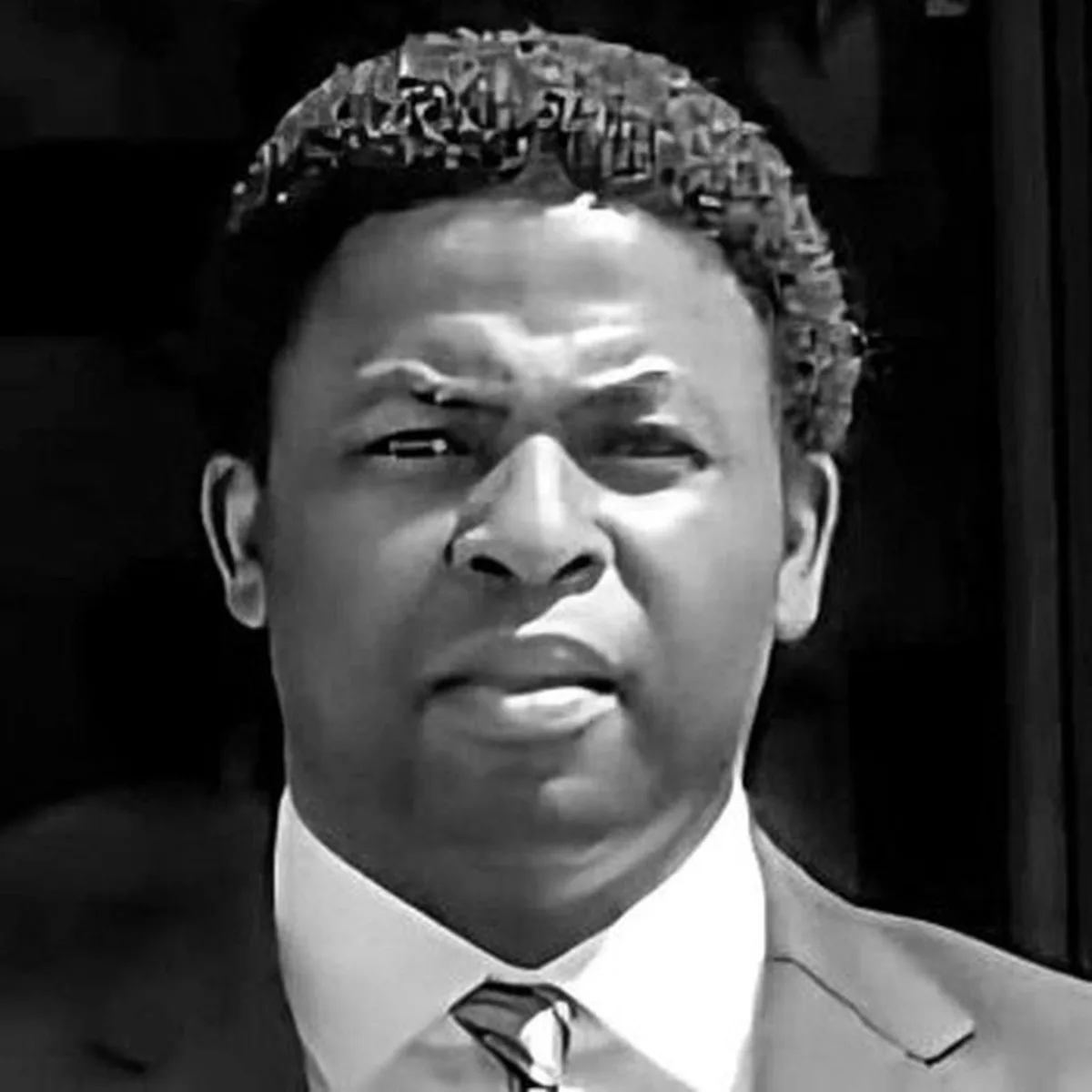
Prof Fulufhelo Nemavhola is deputy vice-chancellor for research, innovation and engagement at Durban University of Technology. He writes in his personal capacity.
Universities are usually judged by what they produce. We count graduates, publications, citations, patents, research income, companies created, technologies transferred and positions in global rankings. These measures matter because public institutions should be able to demonstrate what society receives in return for the resources entrusted to them.
Yet there is another form of contribution that is far more difficult to count because, when it succeeds, almost nothing appears to happen.
The bridge does not collapse because an engineer raises a concern early enough. A costly programme is redesigned before billions are committed. An institution changes course before dysfunction matures into crisis. A dangerous assumption is challenged before it hardens into policy. There is no commission of inquiry, no dramatic headline and usually no monument to the person who sounded the alarm.
Success, in such cases, can look remarkably like nothing happened. Yet preventing error may be among the most consequential things knowledge can do for a society.
That raises a more demanding question than the familiar debate about academic freedom. Of course scholars must be free to research, speak and disagree. But freedom tells us what academics are permitted to do; it does not fully answer what expertise may oblige them to do. When specialised knowledge reveals that society may be drifting towards a serious and avoidable mistake, what does the person who can see the danger owe everyone else?
Knowledge is usually treated as an asset. It brings recognition, authority and, at times, influence. Yet specialised knowledge can also impose responsibility, because once a person can discern what others cannot reasonably be expected to see, silence is no longer quite as innocent as it was before.
If an engineer has credible evidence that a major infrastructure decision is technically unsound, is remaining quiet neutral? If an economist believes that the assumptions underpinning an expensive national programme are implausible, is saying nothing merely a private choice? If a public health or education scholar detects serious weaknesses in an intervention before thousands are affected, is it enough to publish an elegant explanation of the failure years later?
The principle is uncomfortable but difficult to escape: the more one knows about an avoidable public danger, the harder it becomes to pretend that silence carries no consequence.
This is not an argument for turning professors into prophets. Scholars can be wrong, evidence can be incomplete and experts can disagree fiercely.
5News aggregated this summary from the outlet’s public feed. The full article, with all the context, is on www.dailymaverick.co.za — the content belongs to Daily Maverick.