R88bn in GDP at stake as South Africa’s bus industry underperforms
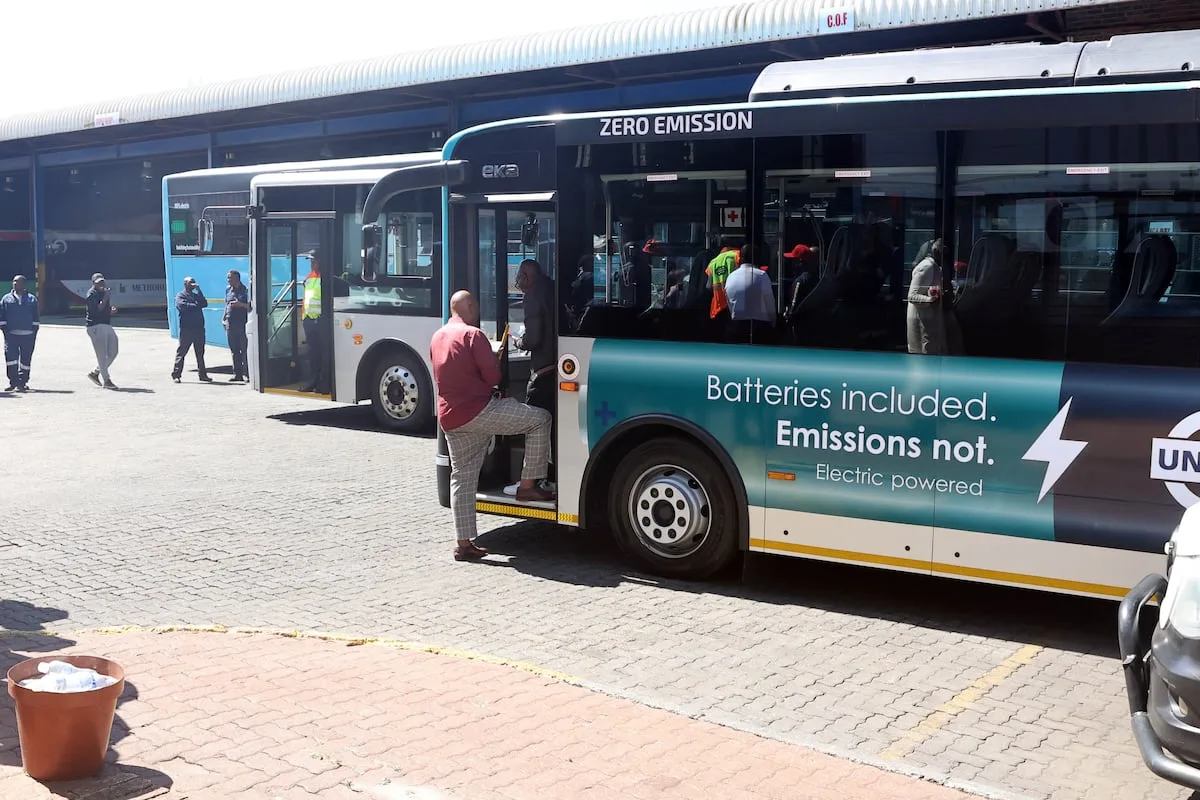
South Africa’s bus industry is underperforming its potential, which, supported by the right incentives, localisation and public procurement policy, could contribute as much as R88bn to the economy and be a net contributor to employment.
These are the findings of a study conducted by professional services firm EY and commissioned by the Localisation Support Fund and the National Association of Automobile Manufacturers of South Africa (Naamsa).
The study finds several structural constraints limit the sector’s potential.
These include fragmented procurement across dozens of procuring entities; inconsistent application of the designation framework; the absence of designation requirements for electric and hybrid buses; and the continued importation of fully built-up vehicles where completely knocked down assembly is legislatively required.
“Together, these factors have created a low-volume, high-cost equilibrium that constrains manufacturers and procurers alike,” the study notes.
The study flags several measures to unleash the potential of the bus manufacturing industry.
The first is to strengthen designation and enforcement by raising the local content threshold to 85% for diesel bus bodies and bringing electric and hybrid bus bodies within the designation framework over a phased five-year period.
In practice, the study calls for standardising tender fields to include local content as a mandatory specification, tightening completely knocked down (CKD) and completely built-up (CBU) compliance monitoring, and improving the technical training of procurement adjudicators.
The study argues that enforcing rules that already exist is the highest-impact, lowest-cost lever available.
The second lever the country can pull, according to the study, is clustering smaller municipalities by operational terrain and service type into structured buyer groups, while allowing large metros to procure independently given their scale and specific requirements.
It said this approach would unlock 10%–15% in capital cost reductions and create the volume predictability manufacturers need to justify tooling investment and local capacity expansion.
The third solution to unlock the sector’s potential is to operationalise African Continental Free Trade Area (AfCFTA) vehicle rules of origin, align cross-border fleet financing with municipal procurement calendars, and position South Africa as a regional bus body manufacturing hub.
“The evidence is clear: with co-ordinated reform, South Africa can deepen localisation, grow jobs, reduce costs through scale effects, expand regional exports, and deliver more affordable and reliable public transport,” the report reads.
“The sector already has established body builders, a functioning designation framework, credible OEM [original equipment manufacturer] participation, and emerging electric mobility opportunities. The foundations are in place. What has been missing is predictability in procurement volumes, in policy, and in the consistent enforcement of existing rules.
5News aggregated this summary from the outlet’s public feed. The full article, with all the context, is on www.businesslive.co.za — the content belongs to Business Day.