Poor genetic health threatens many species – but it’s fixable
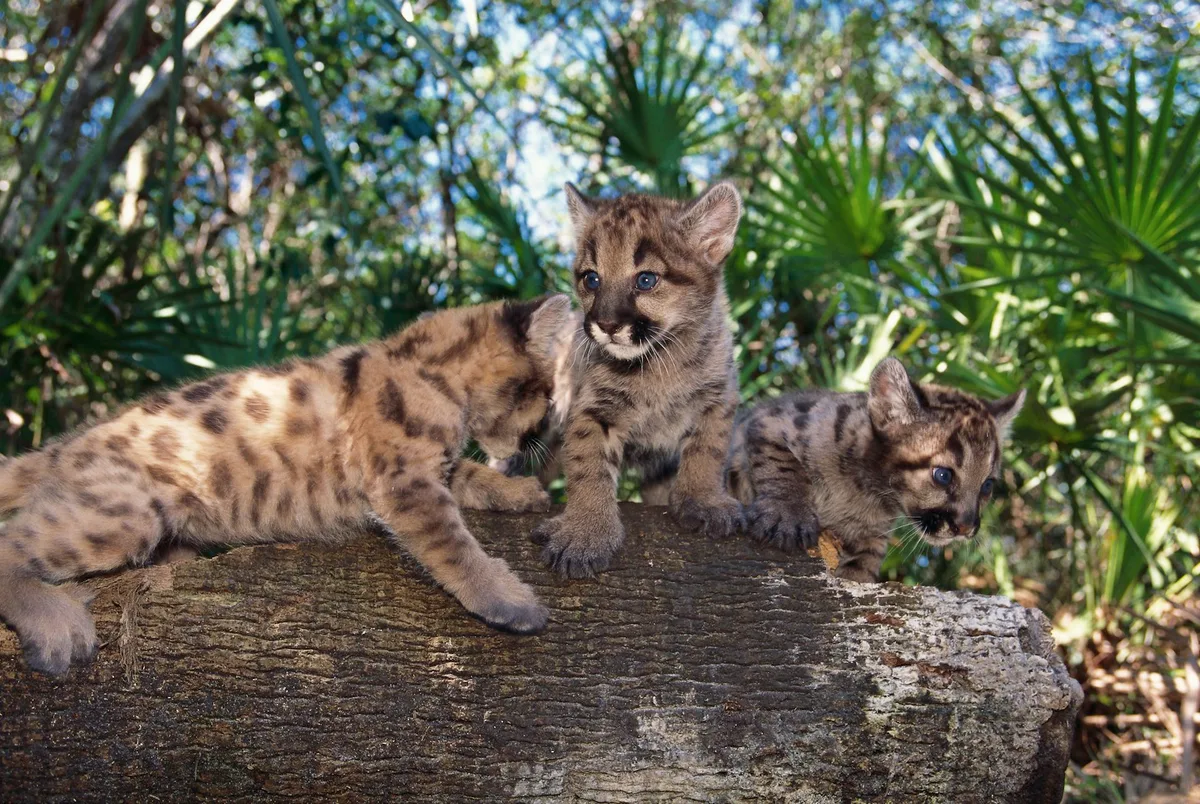
Stuart Westmorland/Getty By the early 1990s, there were only around 20 Florida Panthers left on the planet.
A distinct and isolated population of the widespread Puma ( Puma concolor ), the Florida Panther was pushed to the edge of extinction by a range of threats.
One major issue was their poor genetic health , a measure of how diverse an individual or population’s genes are and how related everyone is.
In 1995, researchers performed a daring “genetic rescue”.
They introduced a handful of Texan Pumas to the Florida Panther population.
These animals then interbred and helped the Panther population bounce back by bringing in new genetic material.
This example illustrates why genetic health matters.
However, poor genetic health often gets overshadowed by other threats such as land clearing, invasive species, disease and climate change.
That’s despite decades of research highlighting it as a crucial piece in the conservation puzzle.
A genetic health check Scientists assess a species’ genetic health by taking small samples from individuals – of blood or hair for example – to compare the similarities and differences in their DNA.
This information helps us understand a species’ genetic makeup, including its levels of genetic diversity and inbreeding.
These factors can indicate whether a species is more likely to flourish or go extinct .
The more genetic diversity a species has, the better.
Diversity helps individuals and populations survive environmental changes such as disease , invasive species, bushfires and floods.
5News aggregated this summary from the outlet’s public feed. The full article, with all the context, is on theconversation.com — the content belongs to The Conversation Australia.