41% of surveyed Australian teens now get their news from AI: new research
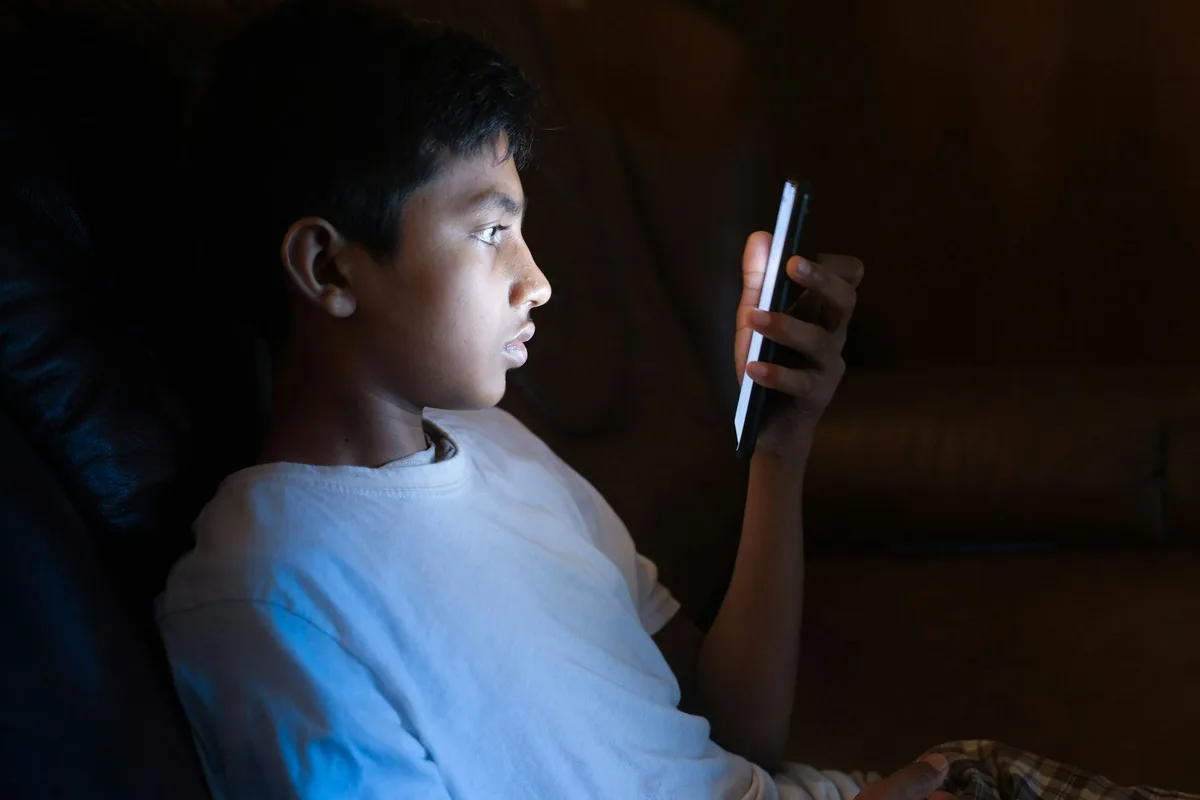
Towfiqu Barbhuiya/ Pexels The way Australians consume news has been changing for the past 30 years, ever since internet use became widespread.
Long gone are the days when families routinely shared bits of the newspaper over breakfast, or crowded around the 6 o'clock television news at night.
Since 2017, we have been tracking young people’s media engagement, to understand how they get their news.
This time, we found some young people are bypassing traditional outlets, reducing their use of social media sources and getting their news from artificial intelligence (AI) summaries using platforms such as Google search and tools like ChatGPT.
Are young people interested in the news? Every three years, we ask at least 1,000 children and teens to complete our online survey.
We use quotas for age, location, gender and parental education level to ensure respondents reflect the diversity of today’s young Australians.
Our 2026 survey results show a significant shift in young people’s news engagement, with an overall decline for young people aged 10–16 years*.
Across nearly every indicator, young people are less engaged with news than they were in our previous survey in 2023.
Young people who report following up on news after hearing about something happening in the world fell from 70% to 59%.
Those following social media accounts for news fell from 41% to 29%.
Checking news websites or apps is down from 38% to 33%.
Where do young people get their news? Across the four surveys since 2017 , family has always been the most common and trusted source of news for both children and teenagers.
But as children move into their teenage years, they also turn to other sources.
Social media has become a common source of news for young people since our first survey, rising from 53% in 2017 to 61% in 2020, during the early days of the pandemic.
5News aggregated this summary from the outlet’s public feed. The full article, with all the context, is on theconversation.com — the content belongs to The Conversation Australia.