Australia urgently needs a national bushfire database. Here’s what it could look like
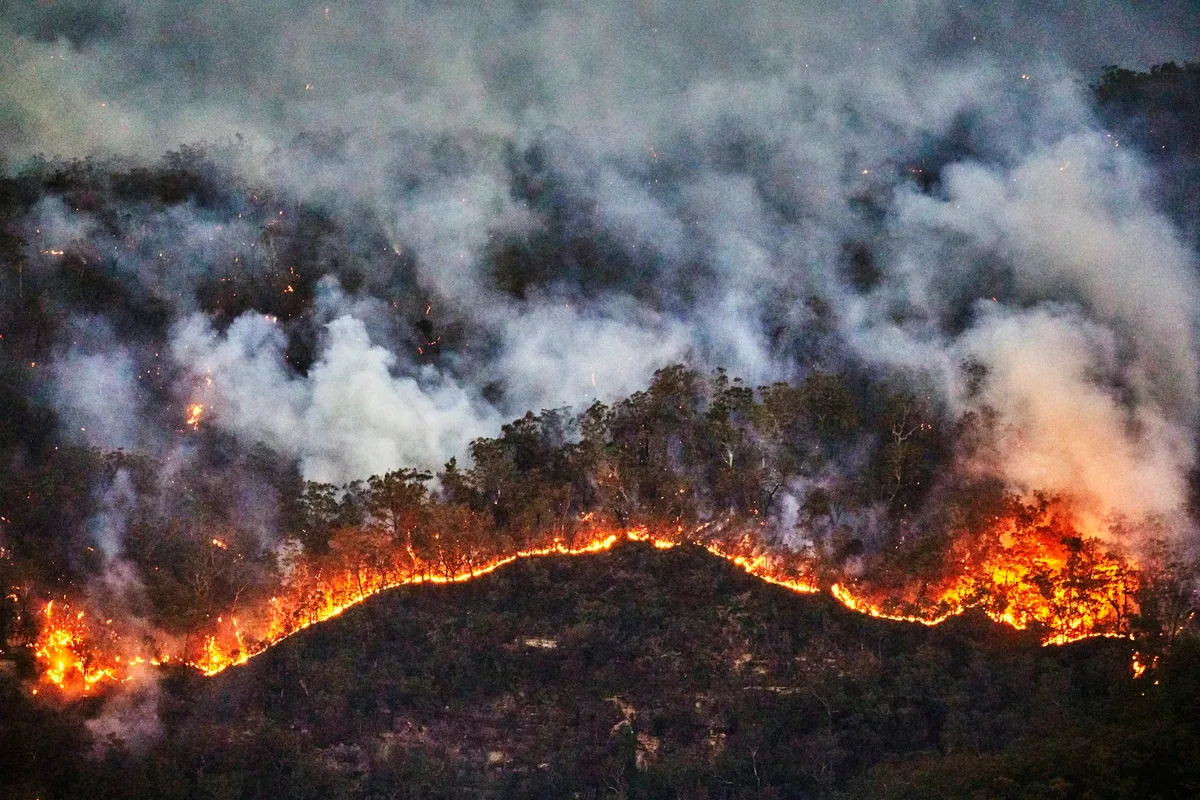
Andrew Merry/Getty A rapidly warming world means more frequent and intense bushfires.
And in Australia, the strengthening El Niño could create the conditions for fierce fires this summer.
To protect our communities, Australia must take a proactive approach to bushfire preparedness, response and recovery.
But this doesn’t just depend on firefighters or equipment.
Reliable, accessible and consistent data is vital to keeping communities safe.
Fire agencies across Australia are increasingly adopting new technologies that track where fires start and how they spread.
However, much of this data is spread across different databases , organisations and jurisdictions, making it difficult to access when bushfires break out.
Our recent research interrogates why Australia needs a national bushfire database and maps out what it could look like.
Reliable, accessible and consistent data is vital for bushfire resilience.
NSW Rural Fire Service Bushfires do not respect borders Bushfires burn across borders, impacting countless communities far beyond where they first ignite.
Australia’s current approach to collecting bushfire data fails to reflect this.
Bushfire data is recorded and managed by different organisations – including state emergency and land management services – each with their own systems, processes, standards and technical terms.
With siloed databases, agencies and communities struggle to coordinate during bushfires.
During the 2019–20 Black Summer bushfires, residents on the border of two jurisdictions witnessed a devastating bushfire sweep through their communities.
5News aggregated this summary from the outlet’s public feed. The full article, with all the context, is on theconversation.com — the content belongs to The Conversation Australia.