Why does laundry get smelly if it stays wet? A textile scientist explains how to fix it
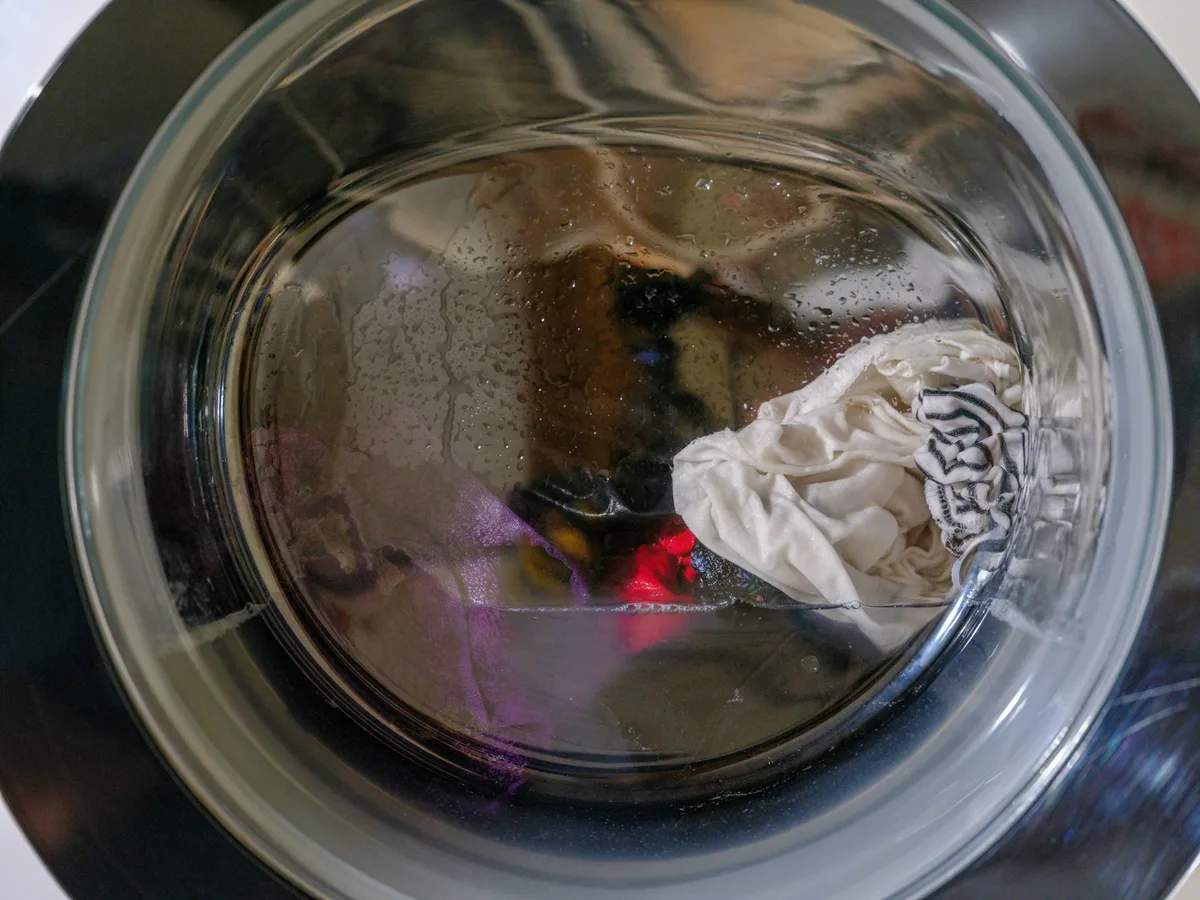
engin akyurt/Unsplash You forget a load in the machine overnight, and by the morning it smells worse than before you washed it.
Most of us are familiar with that “wet dishcloth” smell.
Worse, once it’s settled into your clothes, it can be difficult to get rid of.
So what’s going on, and how to fix it? The answers lie both with biology and with textile science, which helps explain why some fabrics are worse affected than others.
The hidden living things in the water Damp fabric at room temperature is close to an ideal microbial habitat.
They have warmth, moisture and abundant food in the form of skin cells, sebum (skin oil) and sweat residues that may survive a normal wash cycle.
The bacterium most responsible for the “wet rag” smell is called Moraxella osloensis .
A Japanese study in 2021 traced the smell to a compound this bacterium produces.
It also found the species tolerates drying and ultraviolet exposure unusually well – more proof that bacteria can indeed survive the wash and start thriving in a wet load that hasn’t been promptly hung out.
It isn’t only the clothes that harbour microbes, either.
A 2025 study found household washing machines themselves host persistent microbial biofilms (colonies that detergent alone struggles to remove), especially around door seals and in the detergent drawers of front-loaders.
Each cycle, that biofilm can reinoculate freshly washed laundry, so clothes can emerge from a “clean” wash already carrying the seeds of the smell.
If laundry is left wet long enough, or dries too slowly in a poorly ventilated room, fungi can join the bacterial party.
Mould and mildew produce their own volatile compounds, notably geosmin , the molecule behind the “earthy” smell of rain-soaked soil.
5News aggregated this summary from the outlet’s public feed. The full article, with all the context, is on theconversation.com — the content belongs to The Conversation Australia.