A 1923 map to extend Melbourne’s tram network could still prove a transport solution
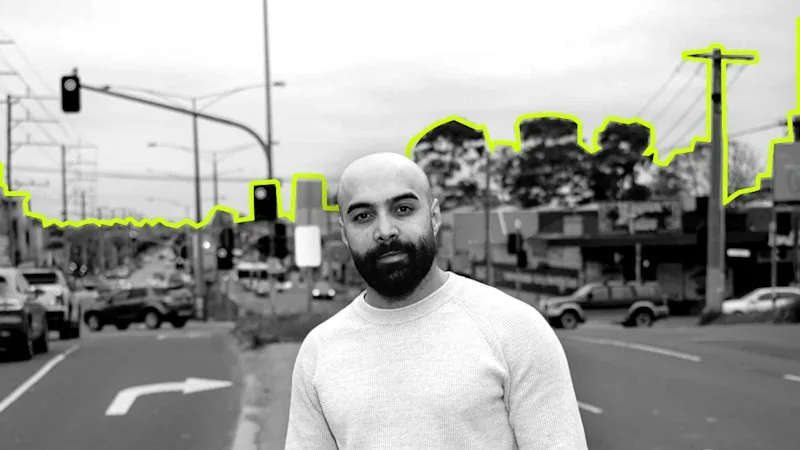
Wiam Bou Karram’s morning commute is often a frustrating one, as he tackles one of the city’s busiest highways on the 14-kilometre trip from his home in Moorabbin to work in South Melbourne.
“You’ve got three lanes, and they’re usually bumper to bumper,” he says of the daily grind.
“There are a lot of traffic lights, and a lot of intersections, so you’re stopping every few kilometres.”
The Frankston train line is right at his doorstep, but it doesn’t stop anywhere near the street his job is on.
To rub salt into the wound, things could have been totally different – for him and tens of thousands of other Melburnians.
A century ago, chief engineer Tom Percival Strickland suggested the Melbourne and Metropolitan Tramways Board significantly widen its network at the same time it was converting its archaic cable tram fleet to electric.
In 1923, the routes stretched 201 kilometres across the city from Black Rock to Fawkner, and Box Hill South to Footscray.
Strickland had grand plans to more than double that, to 428 kilometres, and while he successfully converted or created 87 kilometres of electric tramways in his time, other tram line extensions were removed entirely from his vision.
The network plateaued at 250 kilometres, and while it’s still the largest urban tram network in the world, carrying 200 million passengers a year , it could have been much larger.
Present-day Melburnians viewing the 1923 map of Strickland’s grand ambitions may find themselves mourning lost opportunity. Punt Road, Bell Street, Footscray, Williamstown, Sunshine and Reservoir all could have been strands on the tram network’s spiderweb.
Malcolm Rowe, of Melbourne’s Tramway Museum, said when Strickland’s upgrades were jettisoned, parts of Melbourne were condemned to slower commutes.
“It would have provided a good basis for the current city to have services where there are major gaps now,” he said, singling out Monash University and Doncaster.
Melbourne’s present-day planners are now asking the same questions Stickland did. Where can we, and should we, put more tram lines? Perhaps unsurprisingly, there’s some overlap with what the chief engineer originally planned.
Bou Karram could have been gliding to his job on a tram from South Road, Moorabbin, which Strickland envisioned being connected to the rest of the network along with nearby North Road, Bluff Road and Hampton Street.
5News aggregated this summary from the outlet’s public feed. The full article, with all the context, is on www.smh.com.au — the content belongs to Sydney Morning Herald - Home.