Richard Denniss is calling for a gas export tax, but an effective royalty system would be a better option
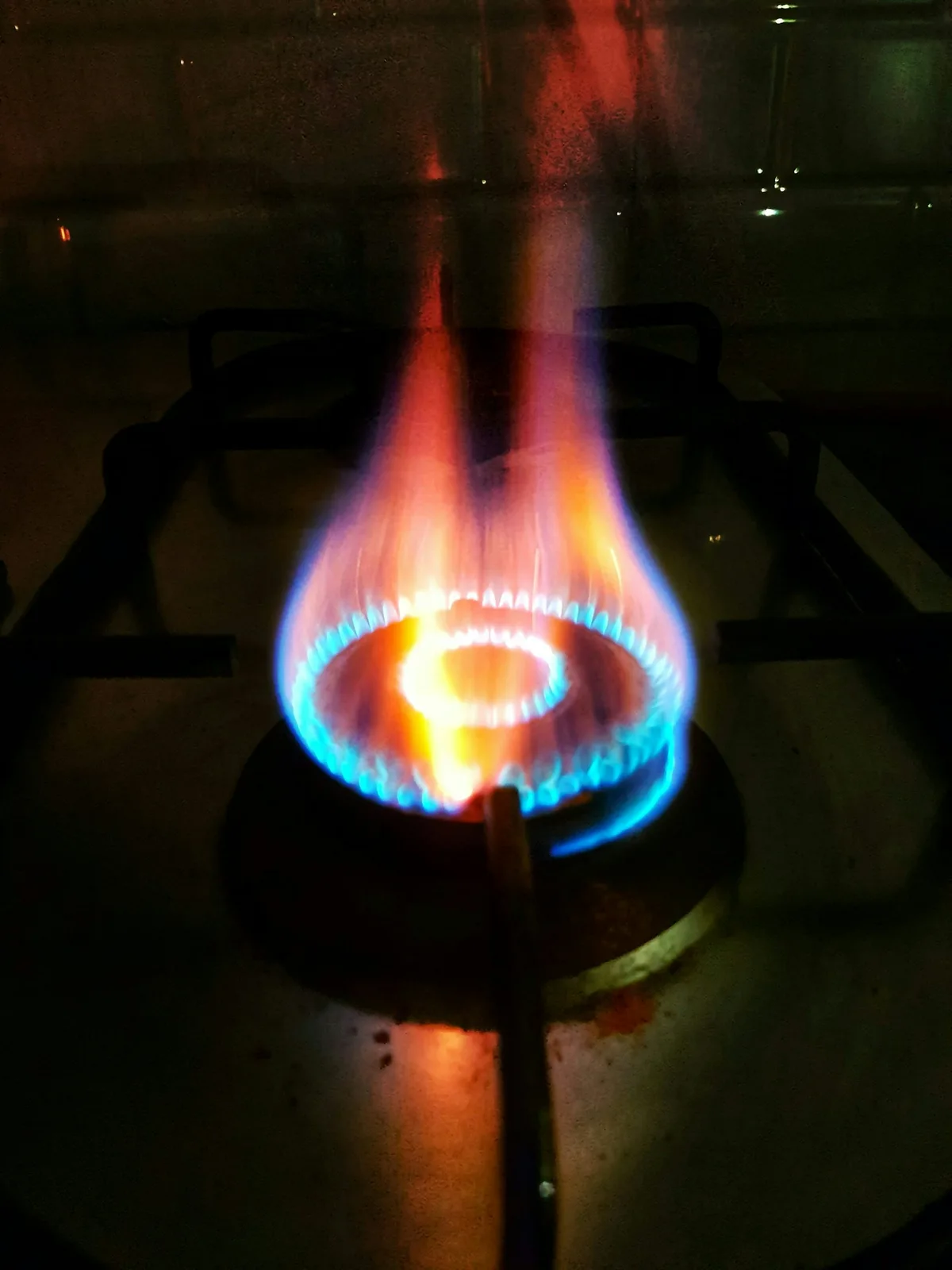
Pruthvi Sagar/Unsplash Richard Denniss is an economist and head of the Australia Institute , a Canberra-based policy think tank.
His monograph More Fool Me: How the Gas Industry Tricked Australia is an impassioned plea for ordinary Australians to lobby relevant federal ministers to more effectively tax the export gas industry.
The ineffectiveness of the current Petroleum Resources Rent Tax (PRRT), which also covers gas, is evident in the dismal tax revenues .
This could have been further examined by Denniss, but his focus is a 25% export tax.
Review: More Fool Me: How the Gas Industry Tricked Australia – Richard Denniss (Australia Institute Press) Woe was the day in 1988 that the Hawke government listened to lobbyists and changed the old petroleum royalty system .
The 1980s rhetoric claimed that the PRRT, which replaced the old system, was necessary to attract vital investment into Australia, though petroleum executives campaigned against the new tax at the time.
They cried “sovereign risk”. (Denniss could have included the history of the minerals industry’s hackneyed complaints about taxation .) The PRRT differs from a royalty system, in that it is levied on profits.
Royalties are usually calculated on either production volume or production market value.
Even if a company has no taxable income, it still pays a royalty based on production.
In other words, any company that extracts resources will always pay a royalty.
Oil is very profitable and low-cost to extract.
Once it is extracted, it is pumped onto tankers or a pipeline and sent to customers.
The PRRT was an effective tax for oil, but Australia’s oil resources are now almost completely exhausted .
Gas is not as profitable as oil, as it requires costly infrastructure to convert it into liquefied form for export.
5News aggregated this summary from the outlet’s public feed. The full article, with all the context, is on theconversation.com — the content belongs to The Conversation Australia.