Pacific people pay exorbitant prices for energy. Rich countries should back their renewable transition
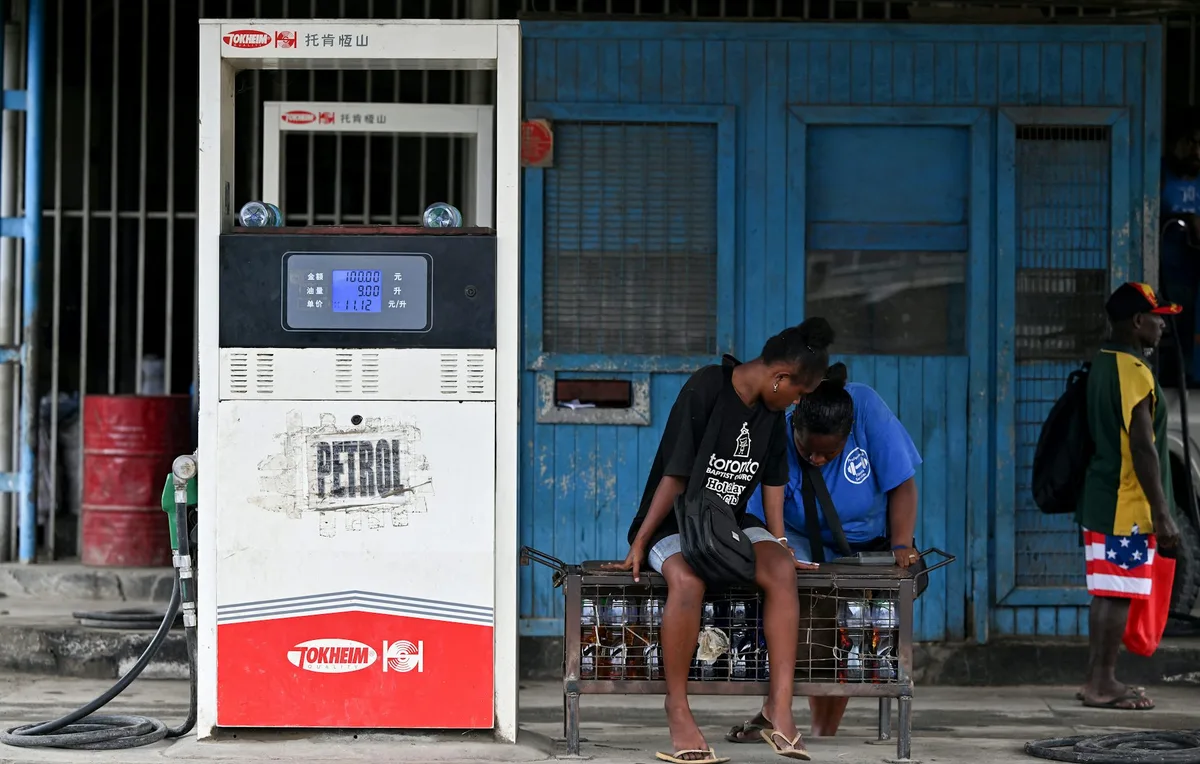
Saeed Khan/Getty Across the Pacific, the changes wrought by a warming climate are visible everywhere .
Surging sea levels, warming oceans and more intense cyclones and flooding.
This week, delegates from the pre-COP31 Pacific climate summit, including Australian Prime Minister Anthony Albanese, visited Fiji and Tuvalu to witness the effects of sea level rise first-hand.
Australia announced it would spend a modest A$13 million to help Pacific nations electrify and transition to renewables, including $7.3 million for energy professionals to lead the region’s transition, and money for solar-powered schools in Fiji and renewable projects in PNG.
While these initiatives are welcome, this is not new money; these projects are funded out of the government’s Pacific program , launched at COP29 in 2024.
The Australian government has faced sustained criticism for its fossil fuel exports , and recent approval of a large coal mine expansion .
Pacific leaders told this week’s summit the world must continue its efforts to limit global heating to 1.5°C, and provide “faster, fairer” access to climate finance for developing countries.
Pacific nations have contributed very little to global emissions, yet face disproportionate climate risks.
Improving the Pacific region’s energy mix would provide a measure of climate justice.
But we must go further – and faster – for meaningful change.
Electrify fast Electricity in the Pacific is currently among the least reliable and most expensive in the world .
Improving energy independence, primarily by switching to renewable energy sources, would lead to a host of positive changes.
Most Pacific Island countries have committed to achieving 100% renewable energy by 2030, recognising the central role fossil fuels play in driving climate change.
A significant number of these countries have signed or endorsed calls for a fossil fuel non-proliferation treaty .
5News aggregated this summary from the outlet’s public feed. The full article, with all the context, is on theconversation.com — the content belongs to The Conversation Australia.