Many are shocked by the domestic violence charges against Sam Wood, but we shouldn’t be

28 by Sam Wood/Facebook Another high-profile Australian man has been accused of domestic violence.
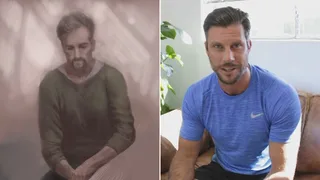
On Saturday, Sam Wood, reality TV star and influencer, was charged with the domestic violence offence of assault occasioning bodily harm and strangulation in a domestic setting.
He denies the allegations and was refused bail in a court appearance in Queensland today.
Inevitably , many people have expressed shock and disbelief online.
The serious charges don’t align with the public’s perception of the alleged perpetrator as a “good guy”.
Wood hasn’t been convicted of any wrongdoing, and his case has a way to go through the courts, but the resulting discussion reveals a lot about our perceptions of who might be capable of violence and why.
The idea that “good guys” are less likely to commit offences involving sexual or domestic violence is a myth.
Such stereotypes serve to deny, downplay or justify violence against women.
Research shows these myths continue to influence criminal trials.
One such myth , often referred to as the “monster myth”, is the idea that perpetrators of sexual or domestic violence are different from “normal” men because they are violent, deviant or monstrous.
When an alleged perpetrator does not match this stereotypical description of a monster, people are less likely to believe the allegations against them.
These misconceptions can distort how we perceive a person accused of sexual and domestic violence offences, including in the courts.
Good character evidence As my forthcoming research, which has been accepted for publication in the Monash University Law Review , shows, these myths and misconceptions can be leveraged in criminal trials through the introduction of good character evidence.
Good character evidence may include evidence by another person, which operates like a character reference, describing the accused perpetrator’s reputation or good qualities.
5News aggregated this summary from the outlet’s public feed. The full article, with all the context, is on theconversation.com — the content belongs to The Conversation Australia.