Why most homeowners don’t need to lose sleep over negative equity
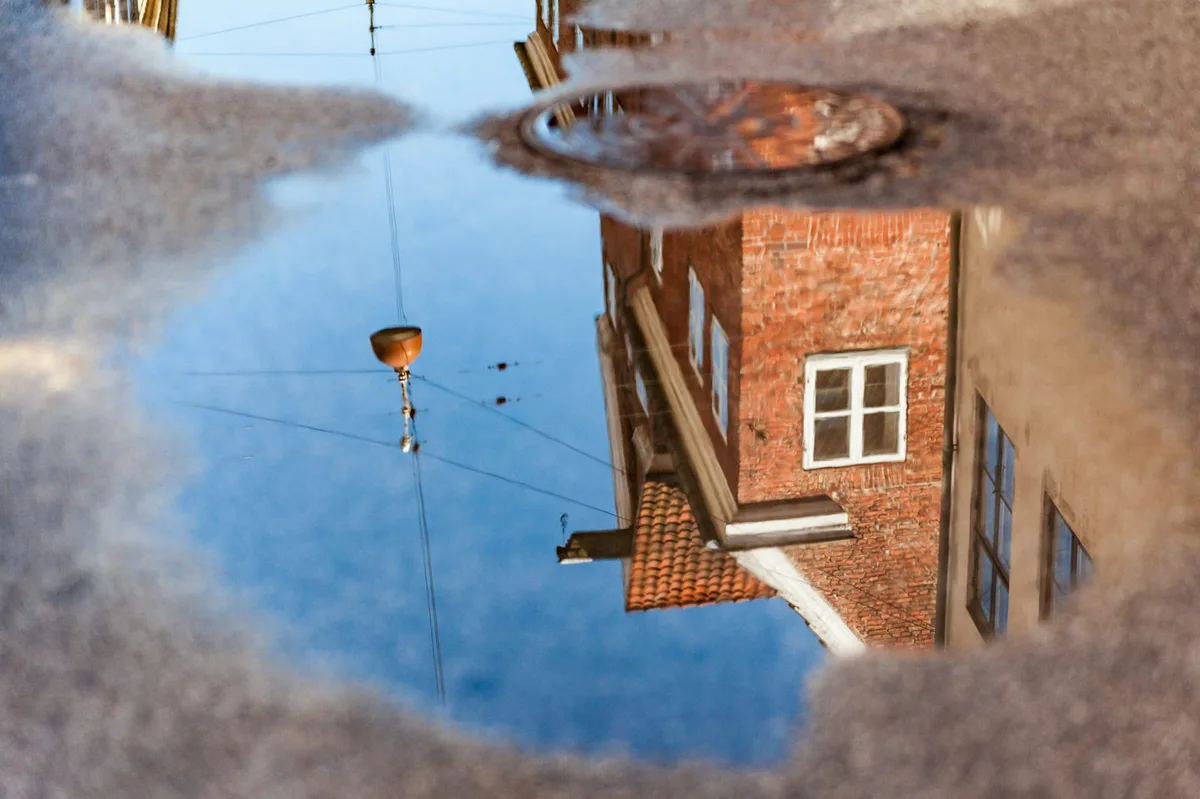
Oleksandra Korobova/Getty For most people who buy a home, a mortgage represents the single largest debt they will take on in their lives.
But what happens if the market value of a property you’ve bought falls below the amount you still owe on your home loan? This situation is called “negative equity”.
In Australia, decades of house price growth have meant it simply hasn’t been a pressing national issue.
Now, as house prices fall across large parts of the country, could it soon become one? Speaking after the Reserve Bank’s decision to leave interest rates on hold last Tuesday, RBA Governor Michele Bullock said less than 1% of Australian households were in negative equity.
Bullock also said that, according to RBA modelling, even if house prices fell by 20%, only about 5% of households would end up in this situation.
That could still amount to tens of thousands of people, including many recent home buyers with large outstanding loan balances.
However, being in negative equity may not be as much of a problem as some recent headlines might have you believe.
Here’s why.
Prices are sliding from lofty heights This year’s three interest rate hikes and tax changes in the May federal budget are continuing to cool the property market.
Property data firm Cotality’s home value index for July shows quarterly falls of 3.4% in Melbourne and 4% in Sydney, with national prices down about 2%.
Across combined regional areas, prices were down 0.1% over the quarter.
Commonwealth Bank, Australia’s largest mortgage lender, last week announced home loan applications were down 15% since the federal budget in May.
It’s a similar story at other banks, with investors in particular pulling back from the market.
This suggests a period of weaker demand caused by tax changes, rate rises and general market uncertainty will put downward pressure on prices.
5News aggregated this summary from the outlet’s public feed. The full article, with all the context, is on theconversation.com — the content belongs to The Conversation Australia.