How bird flu could spread among Australia's mammals, and what it means for your pets
Bird flu has begun its spread beyond birds in Australia, with cases confirmed in three different mammal species since last weekend.
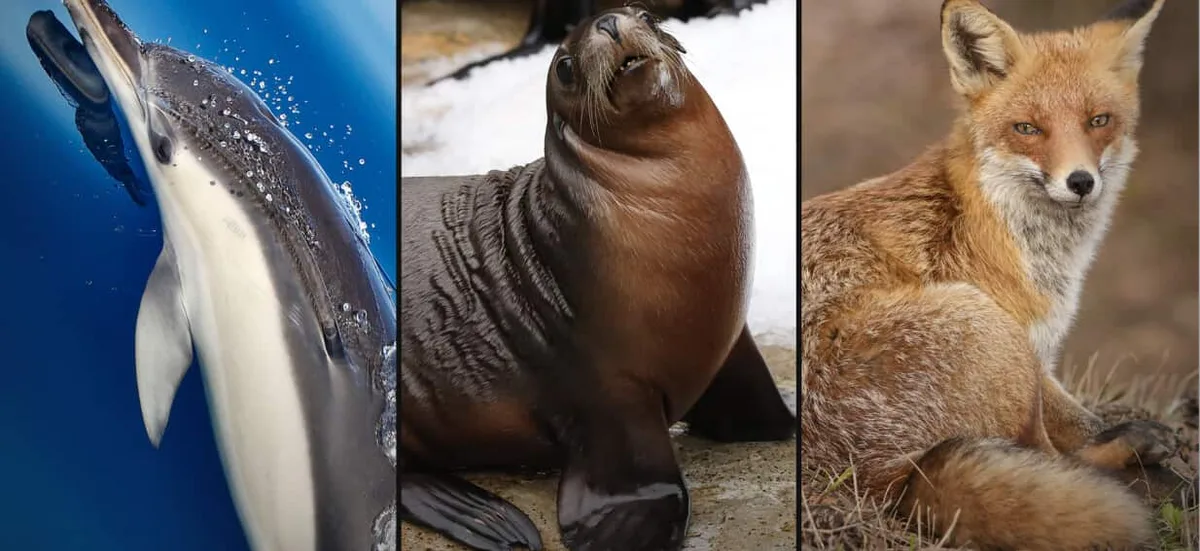
On Friday, Australia's chief veterinary officer, Beth Cookson, said H5 bird flu had been confirmed in a red fox found in metropolitan Adelaide, marking the first in a land mammal in Australia.
A dead dolphin found on South Australia's Fleurieu Peninsula also tested positive this week, days after a long-nosed fur seal found dead at Beachport became the country's first mainland mammal case.
Bird flu has been detected in many different mammals on other continents, including cats and dogs, farm animals, dolphins, seals, foxes, tigers, leopards and polar bears.
Your trusted source for staying up-to-date with the world around you. Get free daily news updates and analysis, straight to your inbox.
Infected birds spread the virus through droppings, feathers and other bodily fluids. It can also be transmitted via contaminated clothing, footwear, equipment and vehicles.
Under favourable conditions, the virus can survive in the environment for months, Australian government authorities have said.
While the virus primarily spreads from infected birds, there is evidence it can also spread between some mammals, including during outbreaks in seals and dairy cattle overseas.
Among scavengers like foxes and cats, infections have been linked to eating or interacting with bird carcasses.
Cookson said there was no evidence of mammal-to-mammal transmission of the virus in Australia.
"This detection in a fox is a good reminder that people and their pets should avoid sick or dead wildlife," Cookson said on Friday.
"Although this is a concerning development, it is not unexpected given that H5 bird flu has been detected in other wildlife in areas where there are high levels of infection in wild birds."
The government's H5 bird flu risk assessment ranks multiple dolphin, seal and sea lion species among Australia's most vulnerable native mammals, and experts fear the virus could have devastating consequences for endangered species such as the Australian sea lion.
Seal populations around the world have proved particularly vulnerable to bird flu outbreaks.
5News aggregated this summary from the outlet’s public feed. The full article, with all the context, is on www.sbs.com.au — the content belongs to SBS News - Latest.