Britain’s budget blues will end Burnham’s honeymoon
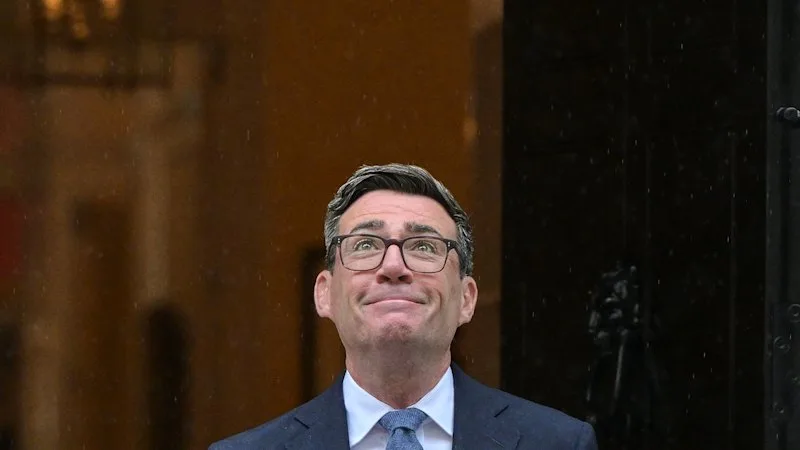
London: Smooth talk could not save Andy Burnham from the rough reality of the debt markets on Wednesday (London time) when he took his first questions in parliament since becoming British prime minister just over six weeks ago.
Burnham faced his first question time – known as Prime Minister’s Questions in Westminster – with good humour and an earnest promise to lead the country to better times. He is, after all, a good communicator.
One simple question, however, had him ducking and weaving when his main opponent in parliament, Conservative Party leader Kemi Badenoch, reminded him of all the policy ideas he had welcomed during hours of debate the previous day.
Her question: “Can he name a single spending request to which he answered ‘no’?”
Burnham dodged. He tried to sound tough on budget policy but could not name a single spending cut. Instead, he spoke about investing in programs for young people to get them off welfare – a worthy goal, but not the same thing.
Badenoch, who knows how to skewer her opponents with a smile, responded with mockery rather than the cheap thunder so many others deploy. She gently reproached Burnham for avoiding her question.
“He did not say no to a single spending request,” she told parliament.
“And, personally, I think it’s delightful that he wants to make everyone happy. But a prime minister needs to be a leader, not a people-pleaser.”
Badenoch is in no position to lecture a prime minister on budget discipline. She commands the wreckage of the Conservative Party, which – after it ruled for 14 years and left Britain with higher spending and more debt – is now eclipsed in the polls by Nigel Farage and his Reform UK movement.
Her questions, however, were good ones. They went to the heart of the mess in Britain’s finances and highlighted the tough choices ahead for Burnham – if he has the stomach to make any.
The bond markets are telling Britain what they think of its debt, and the news is not good. UK government bond yields are at their highest level since the global financial crisis: nearly 5.3 per cent for a 10-year bond on Wednesday.
Confidence in UK fiscal policy is in short supply because nobody can be sure whether Burnham is willing to cut spending, increase taxes or do both. The waiting game will continue until the Chancellor of the Exchequer, John Healey, delivers the budget on October 28.
With net public debt now on track to surpass £3 trillion ($5.65 trillion), the government has only one way to jump on spending. The cost of servicing the debt was £130 billion in the year to June, according to government statements , and appears likely to keep rising.
Other priorities are squeezed because of the astonishing cost of the debt. The interest bill was roughly double the defence outlay last year.
5News aggregated this summary from the outlet’s public feed. The full article, with all the context, is on www.smh.com.au — the content belongs to Sydney Morning Herald - World.