OPINION: Why the Swans decision matters far beyond football
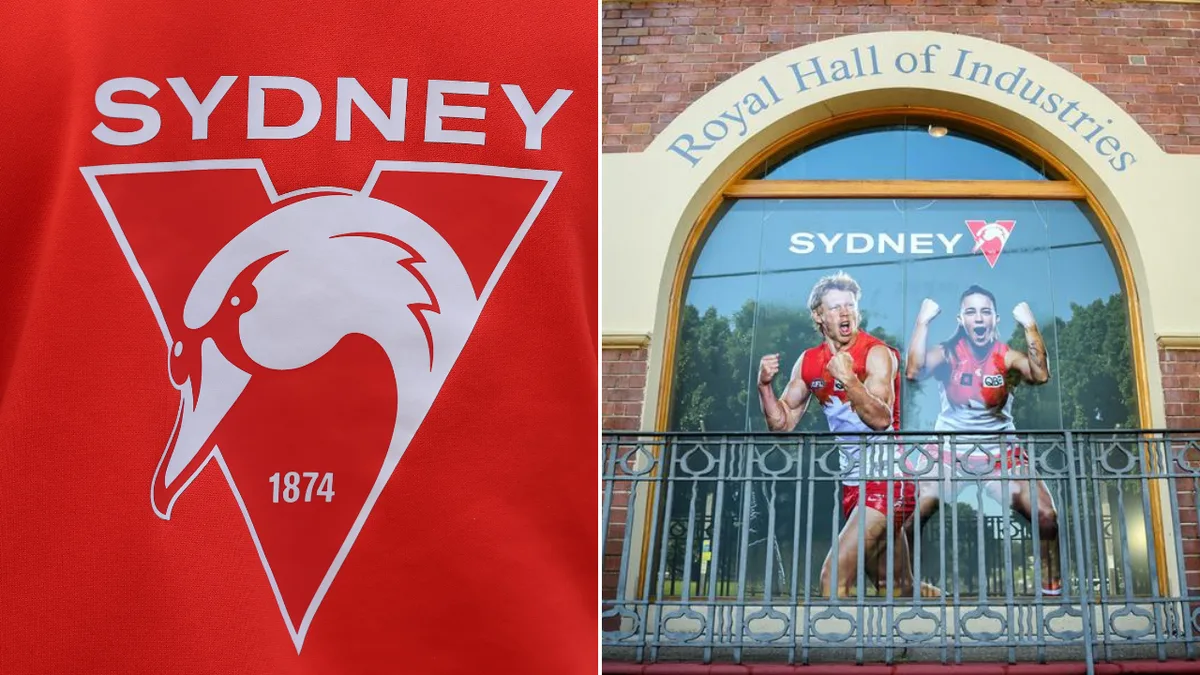
Most workers are judged primarily on what they do at work. Elite athletes are different. Their contracts, codes of conduct, integrity policies and broadly worded “morals clauses” often require them to act as ambassadors for their clubs, sponsors and sporting codes 24 hours a day. Their obligations extend well beyond the playing field.
That is why the Sydney Swans’ decision to suspend players amid an investigation into an alleged sexual assaults in Melbourne is so significant.
Whatever ultimately emerges from the criminal process, the decision demonstrates that behavioural standards in professional sport can have an independent force.
Sporting organisations may conclude that certain conduct is incompatible with player obligations even before a court determines criminal guilt or charges are laid.
That does not mean the criminal process is irrelevant. Far from it. If charges are ultimately brought, further decisions may need to be made by the club, the AFL, sponsors and other stakeholders.
Nor does it mean clubs can act without limits. Disciplinary action must still be supported by contracts, policies, procedural fairness and the facts available at the time. Players should be informed of the allegations against them, given an opportunity to respond and treated consistently with comparable cases.
But the Swans’ response underlines a fundamental reality of modern sport: player obligations extend beyond the criminal law.
The case also exposes an important gap in Australian sporting governance.
The AFL has no clear public policy setting out how clubs should respond when players become involved in investigations into serious alleged misconduct, including allegations of sexual violence, before any criminal process is complete.
The tension is obvious. Should players continue to play because they remain entitled to the presumption of innocence? Or should sporting organisations take precautionary action where allegations raise significant welfare, safeguarding and reputational concerns?
Those questions have become increasingly important as sporting organisations confront growing community expectations around violence against women, player behaviour and organisational accountability.
In this case, the Swans appear to have taken a defensible governance-based approach. By acting swiftly, the club has recognised that professional sporting organisations have responsibilities extending beyond winning matches.
The sanctions imposed to date relate to alleged breaches of behavioural standards, including drinking and bringing women back to the team hotel. By responding decisively, the Swans have sought to reinforce expected standards of conduct, reduce the risk of further harm and maintain public confidence in the club.
Just as importantly, the decision sends a broader message about whose interests sporting organisations prioritise. It signals to players, supporters and particularly women that allegations involving violence against women will be treated seriously.
5News aggregated this summary from the outlet’s public feed. The full article, with all the context, is on 7news.com.au — the content belongs to 7NEWS Australia.