Governments across Australia know how to stop violence against Indigenous women, they just don’t do it
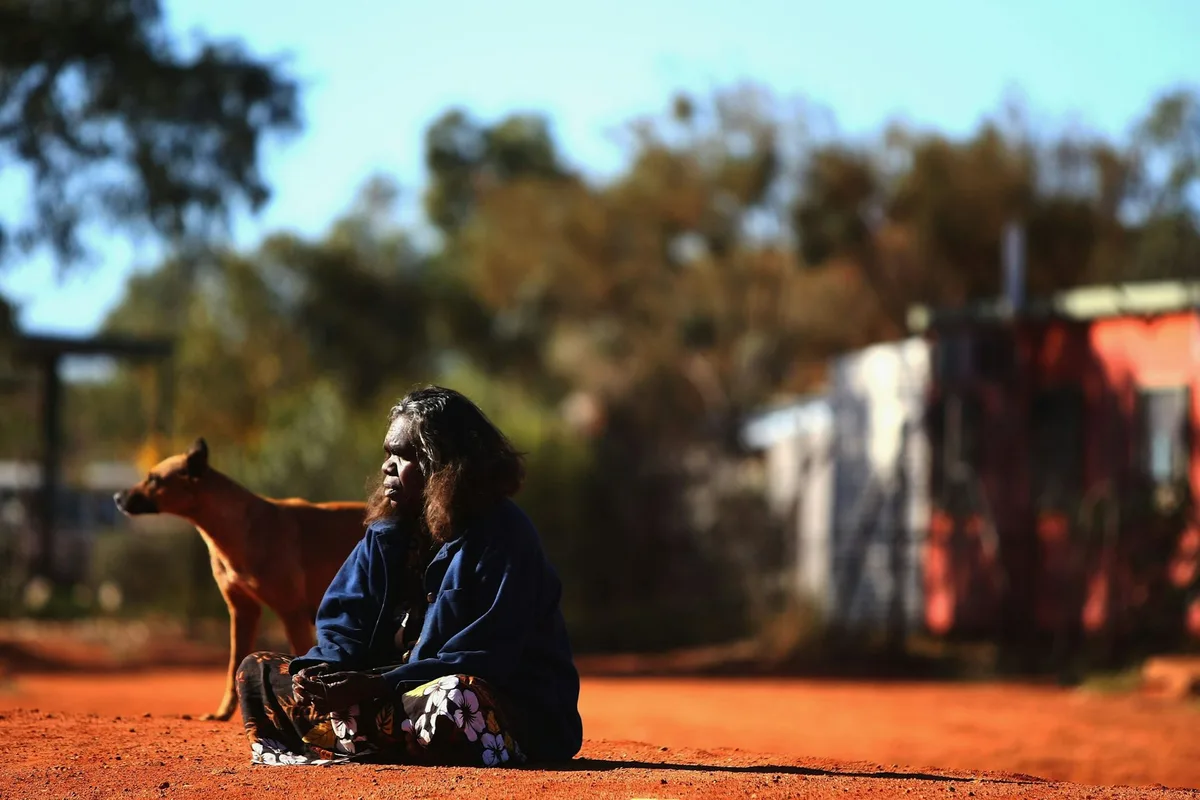
Ian Waldie/Getty Indigenous women and children experience disproportionate levels of family violence .
Aboriginal and Torres Strait Islander women are killed at rates up to six times higher than non-Indigenous women, overwhelmingly by intimate partners (76%) or family members.
A common response in Australia, by both federal and state governments, is to announce a new inquiry or review , especially when the deaths of women or children generate intense public and media attention.
Yet after decades of inquiries, reviews and recommendations , the question is increasingly not what we know about violence and its consequences, but what governments are doing with what they already know.
Rarely are such reviews Indigenous-led or controlled.
These processes create the impression that governments still need to work out what should be done.
But Aboriginal and Torres Strait Islander women, communities and organisations have been providing answers for decades.
Our new research shows just how consistent those answers are.
We examined 32 submissions made by Aboriginal community-controlled organisations to three Australian federal parliamentary inquiries into family violence between 2020 and 2025.
Across those submissions, one principle was central: self-determination.
The problem is no longer simply a lack of evidence about what needs to change.
It is getting governments to act on what Indigenous women and communities have recommended for decades.
Self-determination means genuine authority Self-determination is sometimes treated as if it means governments consulting Aboriginal and Torres Strait Islander people or including them in existing systems.
That is not what communities have been asking for.
5News aggregated this summary from the outlet’s public feed. The full article, with all the context, is on theconversation.com — the content belongs to The Conversation Australia.