East coast bushfire threat escalates as dry winter rolls into spring
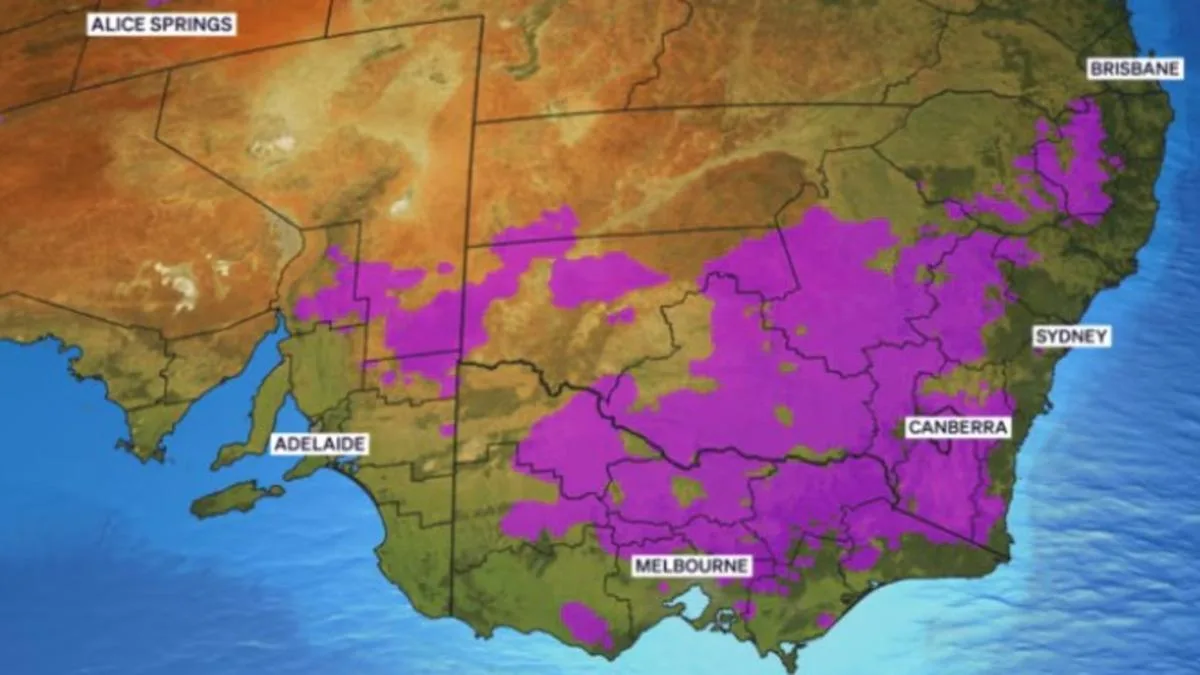
It’s been a bone-dry start to spring for huge parts of Australia’s east coast on the back of historically dry winters as the El Nino effect threatens to spark dangerous bushfire conditions.
Weatherzone analysis shows parts of far southern NSW received just 20 per cent of their long-term average winter rainfall, while parts of Victoria ravaged in the 2019-2020 bushfires got just one-third of their typical winter rainfall.
The Bureau of Meteorology’s long-range spring forecast projects above-average rainfall in the western half of the country but below-average in the south and east.
Those forecasts are coming to fruition, with only 1mm of rain in Brisbane so far in September and not a single drop in the gauges in Rockhampton.
In country NSW, Bega has had just 1mm so far this month, and winter rainfall was barely 20 per cent of the town’s winter average since 1900.
Melbourne had above-average winter rainfall, but out in East Gippsland, in the town of Mallacoota, less than one-third of the winter average rainfall fell this year.
More than 100 homes were burnt in Mallacoota in the Black Summer bushfires, and through the first half of September only 12mm has been recorded compared with the September average of 73.7mm, the Weatherzone analysis shows.
“We are now entering a potentially dangerous time of the year, with the bushfire risk increasing in eastern Australia as the landscape continues to dry out and seasonal temperatures inevitably creep upwards,”
October is expected to be drier than usual across most areas mentioned above.
The outlook starts to change in November when wetter weather is predicted.
The Relative Oceanic Nino Index compares the central Pacific Ocean temperatures against global tropical ocean temperatures. The latest index reading is +2.51, and the highest ever recorded is +2.56.
The heat-inducing El Nino effect can evaporate more sea water and induce rainfall. But the El Nino continues to strengthen as Australia enters the east coast thunderstorm season on the back of a winter with daytime temperatures above average almost everywhere across the country.
Originally published as East coast bushfire threat escalates as dry winter rolls into spring
5News aggregated this summary from the outlet’s public feed. The full article, with all the context, is on www.perthnow.com.au — the content belongs to PerthNow.