Twins can have different parents. How is that possible? A fertility expert explains
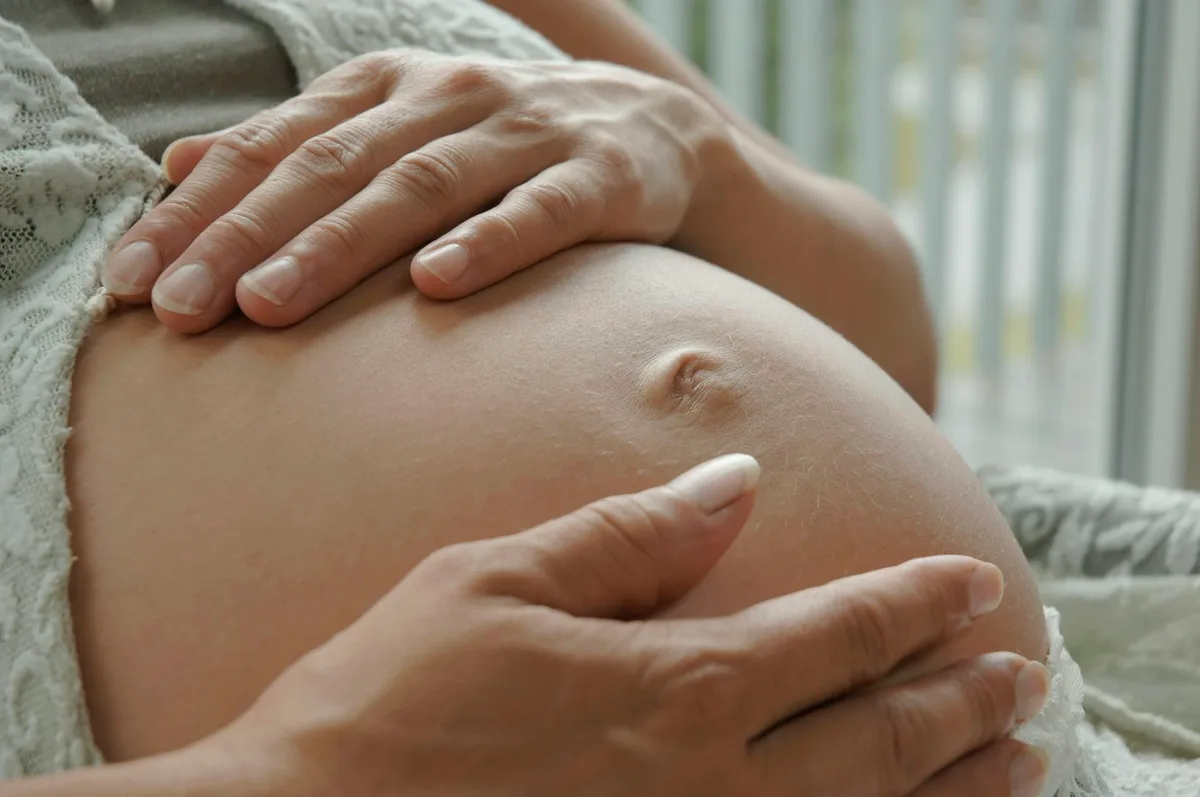
Westend61/Getty Images A Gold Coast woman has given birth to twins who aren’t genetically related to each other, after becoming pregnant with a surrogate couple’s embryo and her own biological baby at the same time.
This has produced one of the rarest outcomes in reproductive medicine, the first in Australia and only the third reported worldwide .
Queensland law forbids twins being separated.
So the case, ruled on by the Children’s Court of Queensland , has forced the courts to confront a scenario the state’s surrogacy laws were never written to accommodate.
What happened The surrogate, a 27-year-old woman, already a mother of five, had agreed to carry a baby for a commissioning couple.
The intended mother was born without a uterus and could not carry a pregnancy.
The couple entered an altruistic surrogacy arrangement after connecting with the potential surrogate through a mutual friend and on social media.
The commissioning couple’s embryo was transferred to the surrogate through fertility treatment.
Later that same month, an ultrasound delivered a surprise: she was carrying twins.
She subsequently delivered a boy and a girl by caesarean section.
DNA testing during early pregnancy revealed the baby girl was the biological daughter of the commissioning couple, while the boy was the biological child of the surrogate and her husband.
At the same time as undergoing the embryo transfer, the surrogate had also conceived naturally with her partner.
The result was a single pregnancy carrying two babies from two entirely separate families.
Since the birth in November, each couple has been raising their own biological child, and there is no dispute between them over parentage.
5News aggregated this summary from the outlet’s public feed. The full article, with all the context, is on theconversation.com — the content belongs to The Conversation Australia.