New Zealand will be ‘super-aged’ within a decade. Are our cities ready?
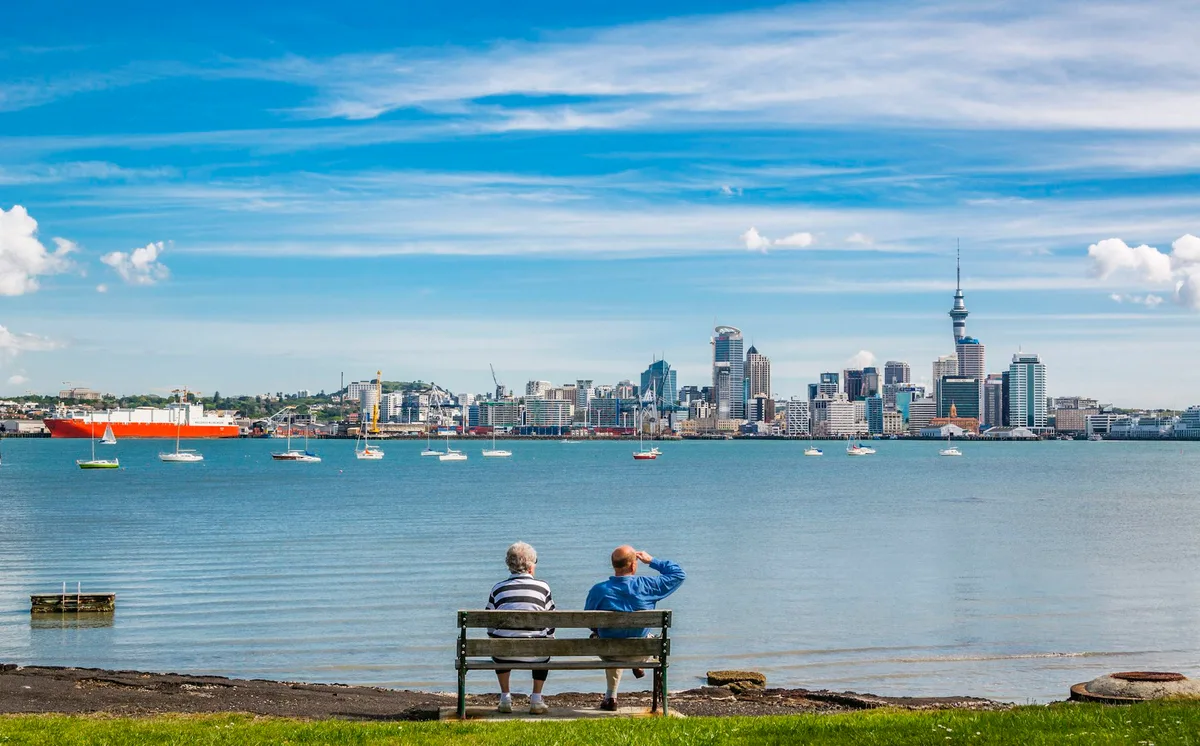
Manfred Gottschalk/Getty Images Within a decade, New Zealand will officially become a “ super-aged ” society, with more than one in five residents – around 1.2 million people – aged 65 or older.
Much of the debate about this profound demographic shift has focused on what it will mean for superannuation, hospitals, residential aged care and the workforce needed to support them.
But there’s another figure worth considering: more than 95% of New Zealanders aged over 65 currently live in private homes .
This means preparing for an ageing population requires as much attention to our houses, streets and neighbourhoods as it does to retirement villages and hospital beds.
Are footpaths easy to navigate? Can people get around without driving? Are shops, services and public spaces accessible? And do communities give older people opportunities to remain socially connected and involved? Such questions are now becoming increasingly important – and there is already an international model for addressing them.
A World Health Organisation framework aims to make communities easier places to live as people grow older – from the design of streets, transport and housing to social participation, civic life and health services.
Yet, compared with many countries, New Zealand has been slower to embrace it.
Ageing doesn’t have to mean dependence Falling fertility rates are one reason our population is ageing.
But so too are longer lives and fewer premature deaths, reflecting decades of improvements in health care and living standards.
Seen this way, population ageing is a success story, despite the negative way it is often framed in media and politics.
We also shouldn’t automatically equate growing older with frailty or dependence.
While health risks increase with age, nearly 60% of ill health among people aged 70 and over is linked to factors that can potentially be changed.
The environments people live and move within can make a significant difference.
Rather than relying only on individuals to remain active and connected as they age, communities can make those things easier – or harder – through planning decisions.
5News aggregated this summary from the outlet’s public feed. The full article, with all the context, is on theconversation.com — the content belongs to The Conversation Australia.