Friday essay: Don Watson’s book on Paul Keating ended their friendship – is it our best ever political memoir?
Paul Keating never wrote a memoir.
He has plenty of stories to tell, opinions to share and publishers who’d jump at the chance to help.
Whenever the old feud between Keating and his predecessor Bob Hawke reignited, as it occasionally did, the latter wielded the prospect of a memoir like a dangerous weapon.
In 2010, Hawke’s wife Blanche d'Alpuget published a book about him – her second Hawke biography – which Keating felt painted him in a poor light.
“If I get around to writing a book,” he told the media in response, “I will be telling the truth; the whole truth.” Publishers were reportedly “licking their lips” at the thought of publishing whatever that “truth” might look like, but it turned out to be a hollow threat.
When journalists asked why Keating had been so content to let others do all the writing about his contribution to Australian politics, he would quip that “anyone who’s any good never wrote about themselves”.
For anyone who remembered the controversial and somewhat self-aggrandising Hawke Memoirs (1994), Keating’s meaning was probably clear.
In the absence of a sole-authored memoir, Keating’s historical performances were mediated by others, chiefly former advisers, journalists and television producers.
The most successful, Recollections of a Bleeding Heart: A Portrait of Paul Keating PM , came from Keating’s former speechwriter Don Watson.
The book, described by leading Australian biography scholar Melanie Nolan as a “cutting-edge” work of political life writing by a “staffer”, was an instant bestseller on publication in 2002.
Yet Keating was famously enraged by it.
Tales from within the tent Hawke’s former speechwriter Stephen Mills once wrote that a speechwriter’s job was to “write the speeches that the Prime Minister would have written himself, if he had the time”.
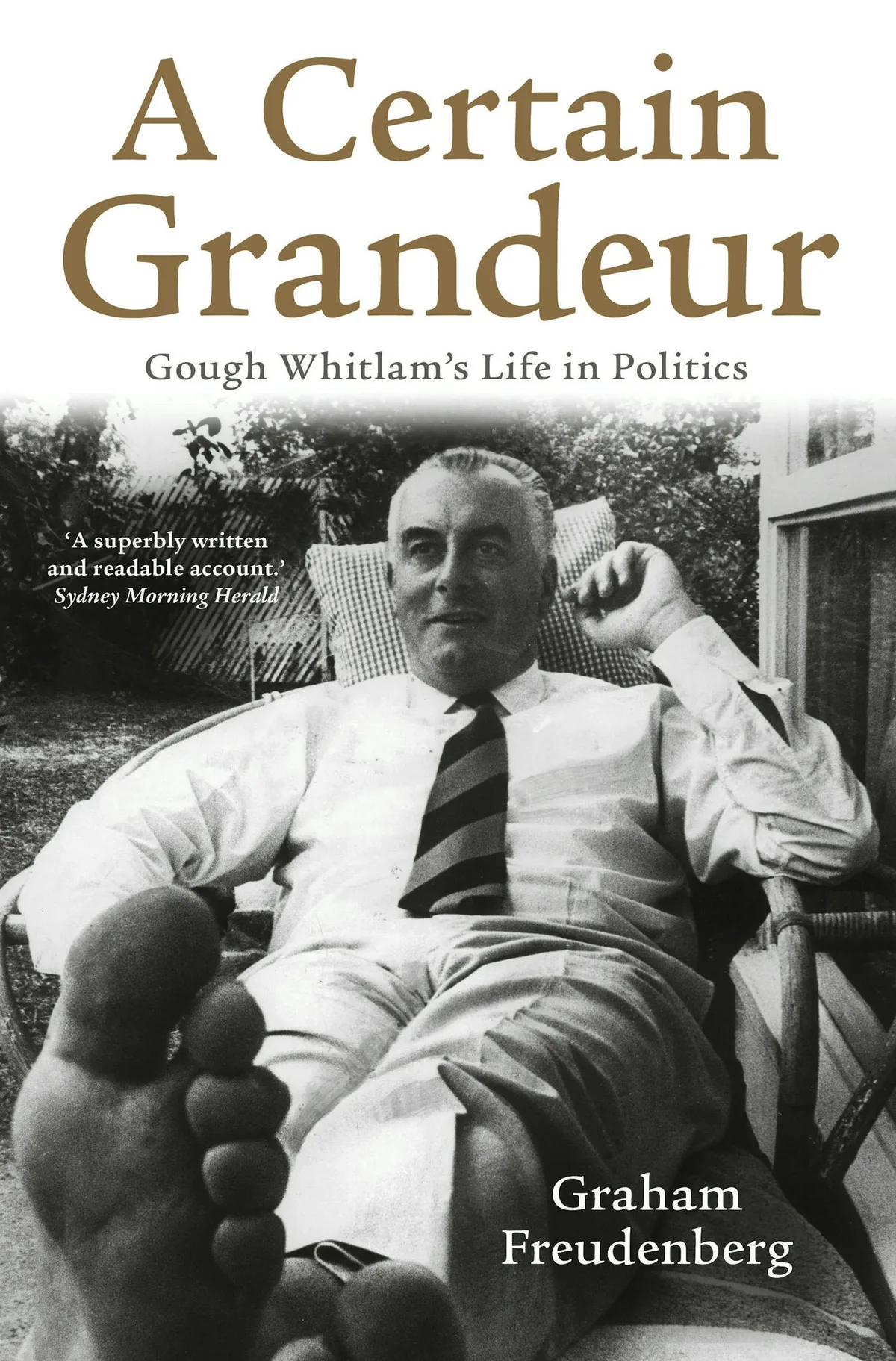
Speechwriting could generate a “long and intimate” relationship, as happened with Graham Freudenberg and Gough Whitlam, or it could be an “enormously laborious” and painful experience, as many found in their engagement with Malcolm Fraser.
A degree of loyalty and discretion was expected on the part of ministerial advisers, many of whom wanted to work at the coalface of power and then “get on with their careers”, as former Keating adviser John Edwards put it to me.
5News aggregated this summary from the outlet’s public feed. The full article, with all the context, is on theconversation.com — the content belongs to The Conversation Australia.