Australia reached a "devastating" bird flu milestone. What comes next?
The "devastating" H5N1 variant of avian influenza marked a grim milestone on Sunday as the first confirmed case of transmission between bird and mammal species was recorded, with experts warning the worst is yet to come.
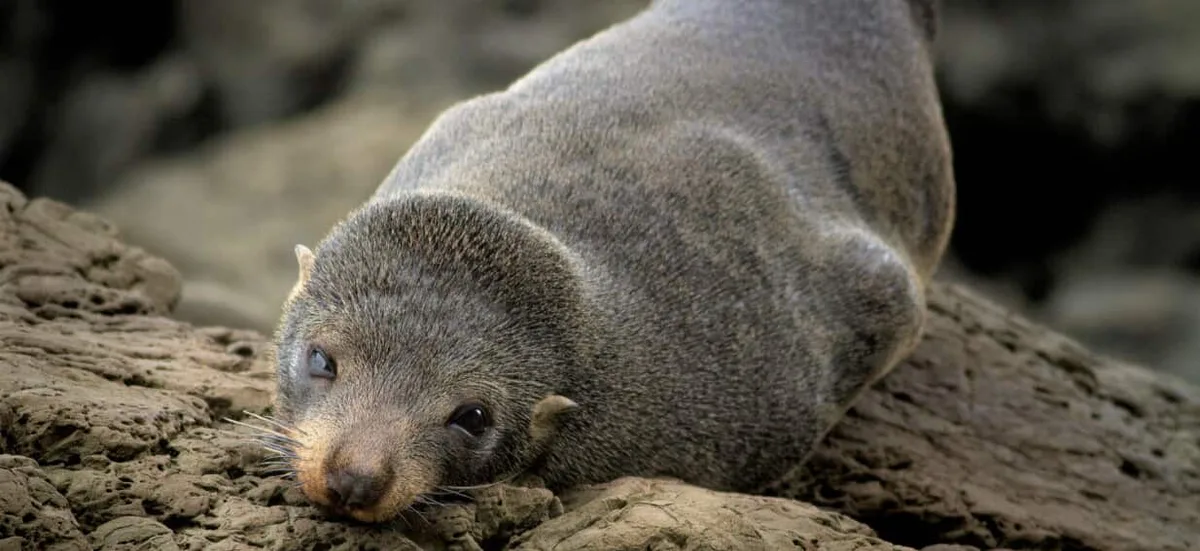
A long-nosed fur seal was confirmed to have died of the disease in coastal South Australia, with a second case being investigated in a seal in The Pages Conservation Park islands near Kangaroo Island on Monday.
Earlier, Environment Minister Murray Watt affirmed that the country needed to be "realistic" about the impact this illness will have on native wildlife.
"We are likely to see mass mortalities of birds and mammals, and I know that is a very distressing thing for Australians to hear," Watt told ABC television.
Sean Dooley of the avian conservation group BirdLife Australia told SBS News that the virus could have an ecology-shifting impact.
Your trusted source for staying up-to-date with the world around you. Get free daily news updates and analysis, straight to your inbox.
"Potential extinction from the disease is possible for some birds," he said.
"That's why we need an effective response, where we can, to mitigate the losses.
"We also need a massive increase in the resources that go into ensuring resilient populations of as many of our species, or else we're going to be facing a real ongoing crisis beyond the actual outbreak."
Avian influenza, a flu-type virus, is airborne and contracted by birds and other mammals when they breathe or ingest it from an infected animal.
Dr Robyn Alders, honorary professor in the Development Policy Centre at Australian National University, told SBS News that the virus also survives outside of a host animal.
"Even if you can't see a diseased carcass or a dead animal, it doesn't mean that the environment there is safe," she said.
"Particularly now that we're starting to see areas where you've got larger die-offs, the potential contamination in that area is going to be significant."
In cooler temperatures where water is present, Alders said there is evidence H5N1 can survive for days.
5News aggregated this summary from the outlet’s public feed. The full article, with all the context, is on www.sbs.com.au — the content belongs to SBS News - Latest.