Mushroom murderer Erin Patterson was convicted over three deaths. Now she’ll argue the court got it wrong
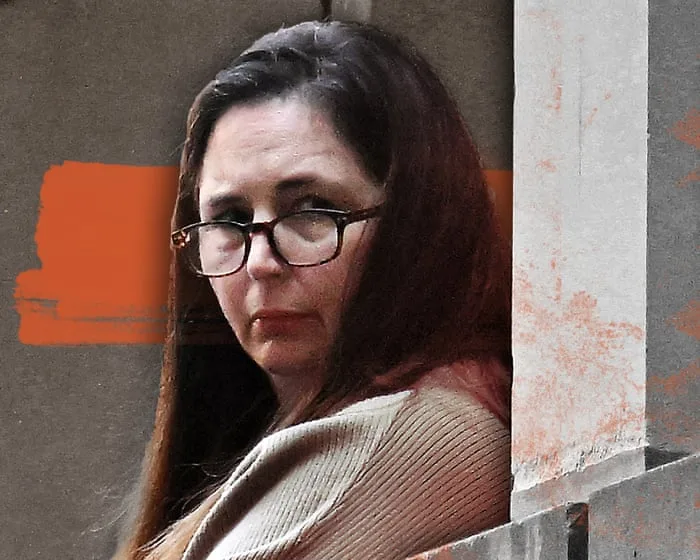
An Australian court will consider two appeals from Wednesday: whether Patterson’s convictions should be quashed, and if she should remain in prison for life without parole
It was a Sunday lunch in a sleepy Australian town that was at the heart of one of the country’s most high-profile murder trials.
A central question fascinated people around the world: did Erin Patterson deliberately serve her in-laws poisoned beef wellingtons on 29 July 2023?
More than a year after a jury found Patterson had murdered her in-laws , an Australian court will consider whether her convictions should be quashed and if she should remain in prison for life without the possibility of parole.
On Wednesday, three judges of Victoria’s highest court will begin hearing two appeals – by Patterson herself and the state’s director of public prosecutions (DPP) – in the triple-murder case that attracted worldwide intrigue and intense media attention for months.
Patterson will appeal against her convictions , while the DPP will appeal against the sentence handed down to Patterson, arguing it is “ manifestly inadequate ”.
In September, Patterson was sentenced to life imprisonment , with a non-parole period of 33 years, for the murders of her estranged husband’s parents – Don and Gail Patterson and his aunt, Heather Wilkinson. She was also convicted of the attempted murder of Heather’s husband, Ian Wilkinson , who survived the lunch after spending weeks in hospital.
Patterson, who maintained her innocence throughout the 11-week trial last year, is not expected to attend court in person. The three court of appeal judges, who will consider the arguments, are expected to reserve their decision in both appeals. They will hand down their judgments at a later date.
In November, Patterson, 51, filed an appeal against her convictions but did not appeal against her sentence.
The appeal is on seven grounds including the “fundamental irregularity” around sequestering the jury in the same hotel as police and media representatives, and that her cross-examination during the trial was “unfair and oppressive”.
While considering the verdict, the jury was sequestered in a hotel in a regional town where police and members of the media also stayed. According to media reports, the matter was raised with authorities by her lawyers at the time, but no concerns about the process were raised during the trial.
The appeal documents allege the sequestering issue “fatally undermined the integrity of the verdicts” and argue for the quashing of the convictions and the ordering of a re-trial.
Patterson is also appealing on the grounds that cell tower evidence – along with evidence of death cap mushroom sightings near her home – should not have been heard in the trial. The court last year heard that analysis of Patterson’s mobile phone records revealed she may have visited two locations soon after death cap mushroom sightings were reported.
She is also arguing evidence from her Facebook “friends”, who met Patterson through a true-crime group, should not have been allowed as it was not “ relevant”.
5News aggregated this summary from the outlet’s public feed. The full article, with all the context, is on www.theguardian.com — the content belongs to The Guardian Australia - Australia News.