Fertiliser prices and shortages are hamstringing our farmers. But we have other options
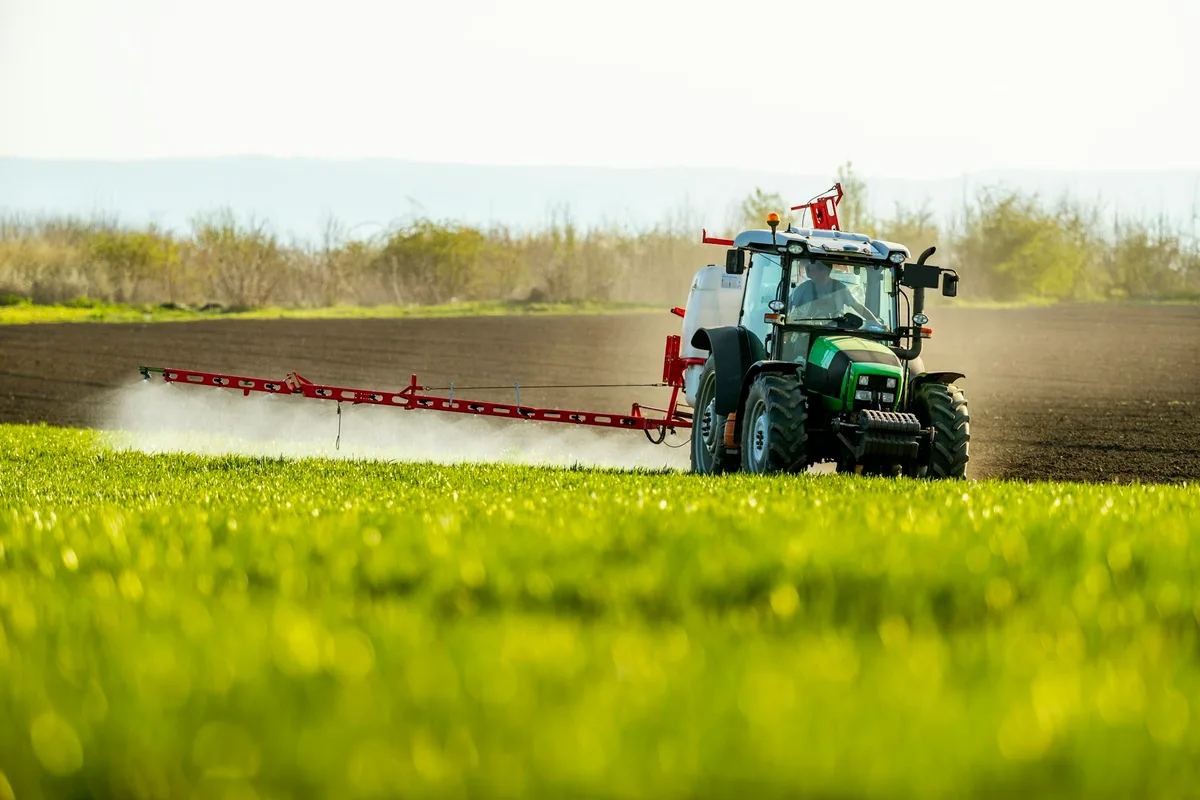
Westend61/Getty When was the last time you bought a loaf of bread? Chances are you read the ingredients list and saw flour, yeast and salt.
But behind every slice is a surprisingly fragile global supply chain that starts with another often overlooked ingredient: nitrogen fertiliser.
Without nitrogen fertiliser, the world’s farmers would struggle to produce enough food for our ever-growing population.
It helps grow the wheat used in bread, the barley in beer, the canola that becomes cooking oil and the corn that feeds livestock.
Research suggests roughly half of the world’s population is fed thanks to synthetic nitrogen fertilisers.
However, recent global disruptions have suddenly made nitrogen fertilisers more expensive or difficult to get.
So why is this happening? And what does it mean for food security? From air to fertiliser Nitrogen gas makes up almost 80% of the air we breathe.
But plants can only absorb this nitrogen after it is converted into other forms, such as ammonium or nitrate.
The industrial Haber-Bosch process makes this possible.
It combines nitrogen from the atmosphere with hydrogen under extremely high temperatures to produce ammonia.
This ammonia is then converted into nitrogen fertilisers, such as urea and ammonium nitrate.
Over the past century, this process has allowed us to produce the nitrogen fertiliser needed to feed the world.
But there’s a catch.
Nitrogen fertiliser production depends heavily on natural gas – mainly methane – to provide both the energy needed to run nitrogen fertiliser factories and the hydrogen required to manufacture ammonia.
5News aggregated this summary from the outlet’s public feed. The full article, with all the context, is on theconversation.com — the content belongs to The Conversation Australia.