Yes, Furious is a killer Epstein story but ‘it’s not just him’ …
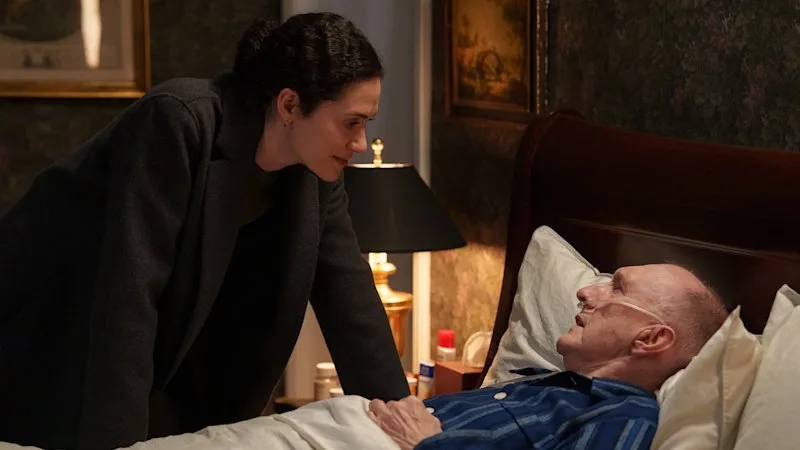
Between the white-hot rage of Beef , the simmering tensions between guests at The White Lotus and Michaela Coel’s eviscerating I May Destroy You , anger is proving a defining theme of this decade’s most acclaimed TV shows. After its caustic first season, Furious might prove the most blistering of them all.
Created by Elizabeth Meriwether ( The Dropout, New Girl ), Furious is a cat-and-mouse thriller about an FBI agent named Alice (Emmy Rossum, Shameless ) hunting down a serial killer, Catherine (Lola Petticrew, Say Nothing) , a survivor of child trafficking seeking vengeance on the men responsible. Many of them are known to FBI’s sex crimes unit boss Nora (Quincy Tyler Bernstine), whose hands are often tied. All three seek justice in their own way, fuelled by a carcinogenic fury at a judicial system that fails to protect the vulnerable or hold traffickers accountable.
The show – loosely inspired by the 1987 film Black Widow – has become a sleeper hit for Disney+, which reports one-day viewership rose 40 per cent by the penultimate episode from July’s premiere.
Following the season finale, TV writer Jared Richards speaks with Emmy Rossum (who is also an executive producer) on how she and Meriwether shaped the series’ approach to sexual violence and trauma, what she thinks of the real-world comparisons critics have made to Jeffrey Epstein, plus a teaser of what’s coming for the just-announced second season.
Warning: There are spoilers for the season’s full eight episodes below.
Jared Richards: This is a show about sexual violence and its impact, but it doesn’t feature flashbacks to rape or images of grisly crime scenes. There’s an absence of dead women’s bodies. When and how did you and Liz Meriwether decide to not include those images?
Emmy Rossum: From the very beginning. It’s also inspired by a film that’s much more interested in the journey of two women who are lonely outcasts getting to know each other – an FBI agent and a serial killer. Very early on, Liz wanted to tell the story of two sides of a coin that were more similar than they were different: a good guy that wasn’t all good, and a bad guy that wasn’t all bad.
We were also interested in showing violence that was very female in nature. What does it look like when you can’t always just shoot someone with a gun? When you have to get really close to them with a needle? Or with a curling iron? How do you weaponise a chicken breast? [We tried to play with] things that are traditionally associated with women.
In terms of flashbacks, the show is not really interested in depicting trauma other than the after-effects: how it’s compartmentalised, how it twists and shapes us over time and how it affects you 25 years later [as with Alice] or 10 years later [as with Catherine].
Alice is also a survivor of abuse. As an actor, was there anything that was difficult to understand about how her trauma emerges? Her [violent] sex life comes to mind as an example.
Yeah, that’s certainly what I was scared by. Having a character who’s been a victim of violence, who is seeking out violence in their life, is confusing.
5News aggregated this summary from the outlet’s public feed. The full article, with all the context, is on www.smh.com.au — the content belongs to Sydney Morning Herald - Home.