Australia’s female economists have been making history for nearly 150 years. It’s time we knew their stories
Some of Australia’s most powerful policy institutions are now being led by female economists.
Between 2023 and 2026 came a remarkable run of firsts .
Danielle Wood became the first woman to chair the Productivity Commission, Michele Bullock the first female governor of the Reserve Bank of Australia (RBA), and Jenny Wilkinson the first woman to lead the Australian Treasury.
It might seem as though women economists have suddenly arrived at the top.
Yet these remarkable firsts began much earlier.
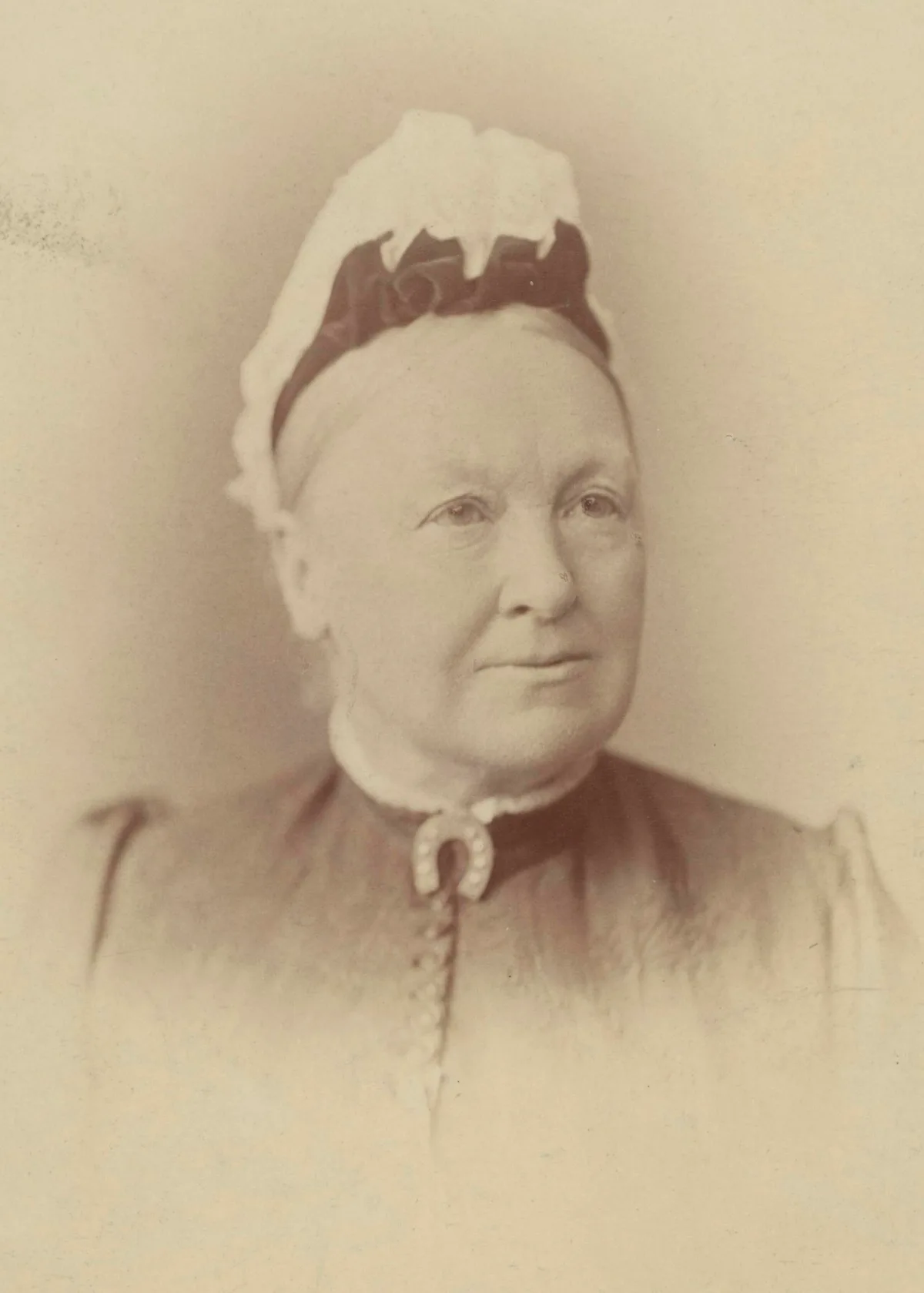
Catherine Helen Spence.
Public domain, via Wikimedia Commons Did you know the first economics textbook used in Australian schools was written by a woman? In 1880, the writer, reformer and suffragette Catherine Helen Spence published The Laws We Live Under and it stayed on the curriculum for 20 years.
Or that Australian economist Marion Phillips became the first Australian woman elected to a national parliament – entering Britain’s House of Commons in 1929? If these stories are unfamiliar, you are probably not alone.
A new book, Power in Numbers: Australian Women in Economics , by economists Melissa Bray and Catie Bradbear, tells the stories of 16 women who helped shape Australian economics.
Review: Power in Numbers: Australian Women in Economics by Melissa Bray and Catie Bradbear (Melbourne University Press) Where are the women in economics? Even today, economics remains stubbornly male-dominated.
Women make up only around one-third of economists in Australia, and just 17% of economics professors .
Why does this matter? Because who becomes an economist can shape which questions are studied and which policies are recommended .
As Professor Betsey Stevenson writes in the book’s foreword: Diversity matters because it gives us better perception, a better understanding of problems, of wants and needs, and of potential solutions.
And the pipeline is not encouraging.
5News aggregated this summary from the outlet’s public feed. The full article, with all the context, is on theconversation.com — the content belongs to The Conversation Australia.