Anne Carson has won the Nobel Prize for Literature for her bold, inventive, breathtaking work
Anne Carson has been awarded the 2026 Nobel Prize in Literature.
The 76-year-old Canadian poet, essayist, translator and classicist was in Iceland “listening to the wind” when the news broke.
The Swedish Academy praised her “bold and inventive” oeuvre for its “playful dialogue with the classical tradition”, through which she has fashioned “new forms for contemporary literature”.
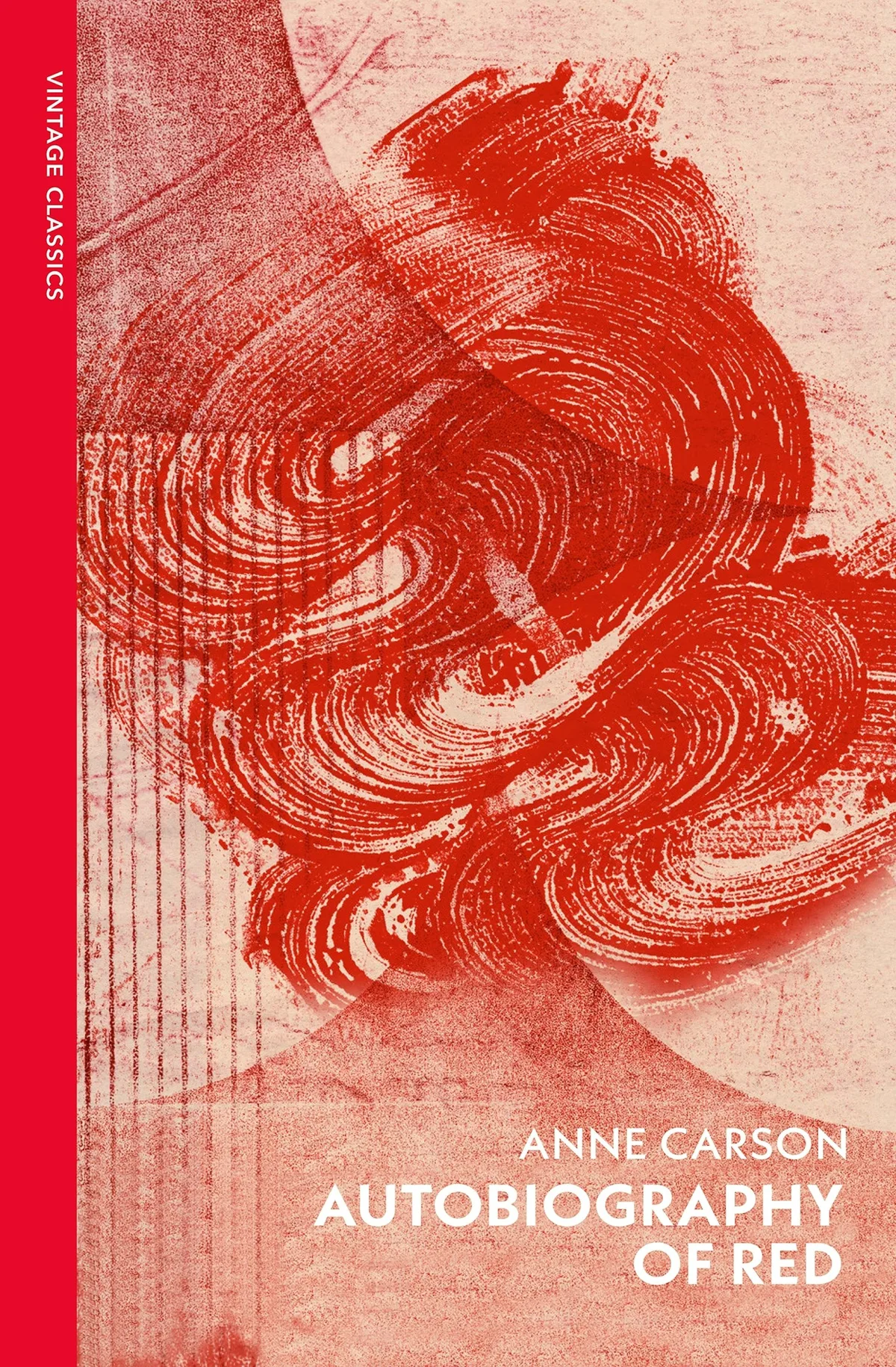
In books like her 1998 verse novel Autobiography of Red (which has sold nearly 100,000 copies in the United States), Wrong Norma (2024), her recent poetry collection, and her 1986 debut Eros the Bittersweet – a book-length essay about the god of love – she challenges formal conventions and moves across literary genres.
Carson’s own account of what language can do offers a sense of the possibilities such invention opens up: words can squirt sideways, mute and mad; you think they are tools, or toys, or tame, and all at once they burn all your clothes off and you’re standing there singed and ridiculous in the glare of the lightning. ‘The easiest difficult poet’ Born in Toronto in 1950, Carson studied classics at the University of Toronto and went on to teach ancient Greek.
Eros the Bittersweet grew out of her scholarly training.
Carson, who divides her time between Ann Arbor, Michigan in the US, and Iceland, is famously private.
But in a 2024 essay in the London Review of Books , she revealed she has Parkinson’s disease, and mourned the disintegration of her handwriting and the erosion of her long pleasure in filling “shelves and shleves” of notebooks.
She has been awarded Guggenheim and MacArthur fellowships.
And she became the first woman to win the TS Eliot prize, for her collection The Beauty of the Husband , in 2001.
Her work is fiercely learned, and makes no apology for it.
“Almost everything she writes is about several things at once,” notes critic Lola Seaton , “and ranges associatively across the history of Western thought.” Yet that erudition sits easily alongside lyrical, direct accounts of human emotion and experience.
This may help explain her appeal to readers who could otherwise find such intellectual density and avowed experimentalism forbidding – or even off-putting.
The New York Times’ poetry columnist has called her “the easiest difficult poet”.
5News aggregated this summary from the outlet’s public feed. The full article, with all the context, is on theconversation.com — the content belongs to The Conversation Australia.