For Indigenous people, connection to Country can be a preventive health measure
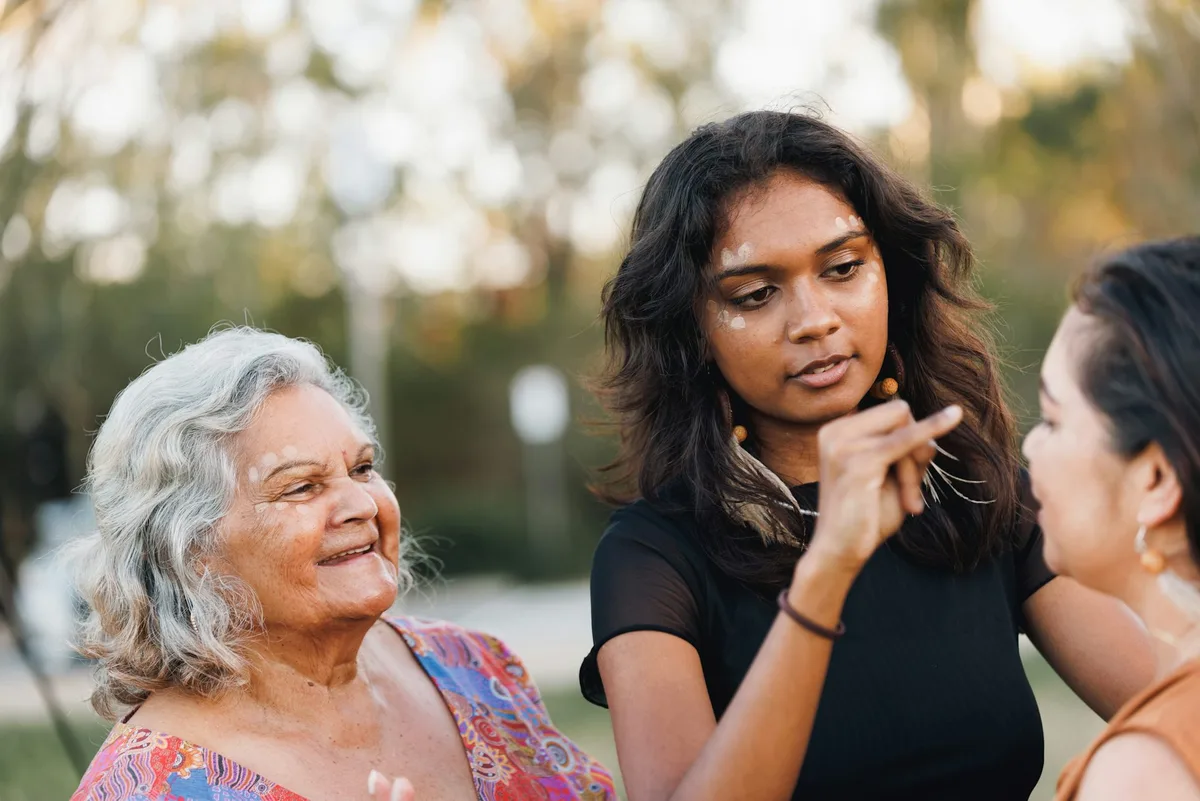
Thurtell/Getty Images The inherent connectedness between people, land and spirituality runs deep in Aboriginal and Torres Strait Islander communities.
It’s seen today through art, songs, stories, ceremonies, languages and cultures being revived and practised across the continent.
In Indigenous worldviews, there is little separation between these elements of life.
Bodies are understood as part of the land itself – of Country – which constitutes the living lands, waters and skies that Indigenous people hold custodial responsibility for.
Dreaming stories across many communities describe how human bodies are fashioned from the clay of their Country.
As Worimi Elder Steve Brereton explains, “we are Country, and Country is us”.
Studies show that when Indigenous people are displaced from or denied access to Country, measurable declines in mental health, physical health and social and emotional wellbeing follow.
And when Country is damaged, Indigenous people feel it.
It’s more than a connection to nature Australians are increasingly seeking connection with nature .
A nationally representative survey of more than 4,000 Australians found spending time in nature is strongly associated with higher wellbeing.
Among gen Z Australians, 76% report a close connection with nature , and 38% identify as spiritual.
Our research team examines how spirituality, Country and wellbeing intersect across Australian communities.
Our findings confirm what Indigenous communities have known for tens of thousands of years: Aboriginal and Torres Strait Islander people’s connection to Country is more than connection to nature.
It’s both physical and spiritual.
5News aggregated this summary from the outlet’s public feed. The full article, with all the context, is on theconversation.com — the content belongs to The Conversation Australia.