From the coasts to the plains, bird flu could threaten not just birds – but their homes
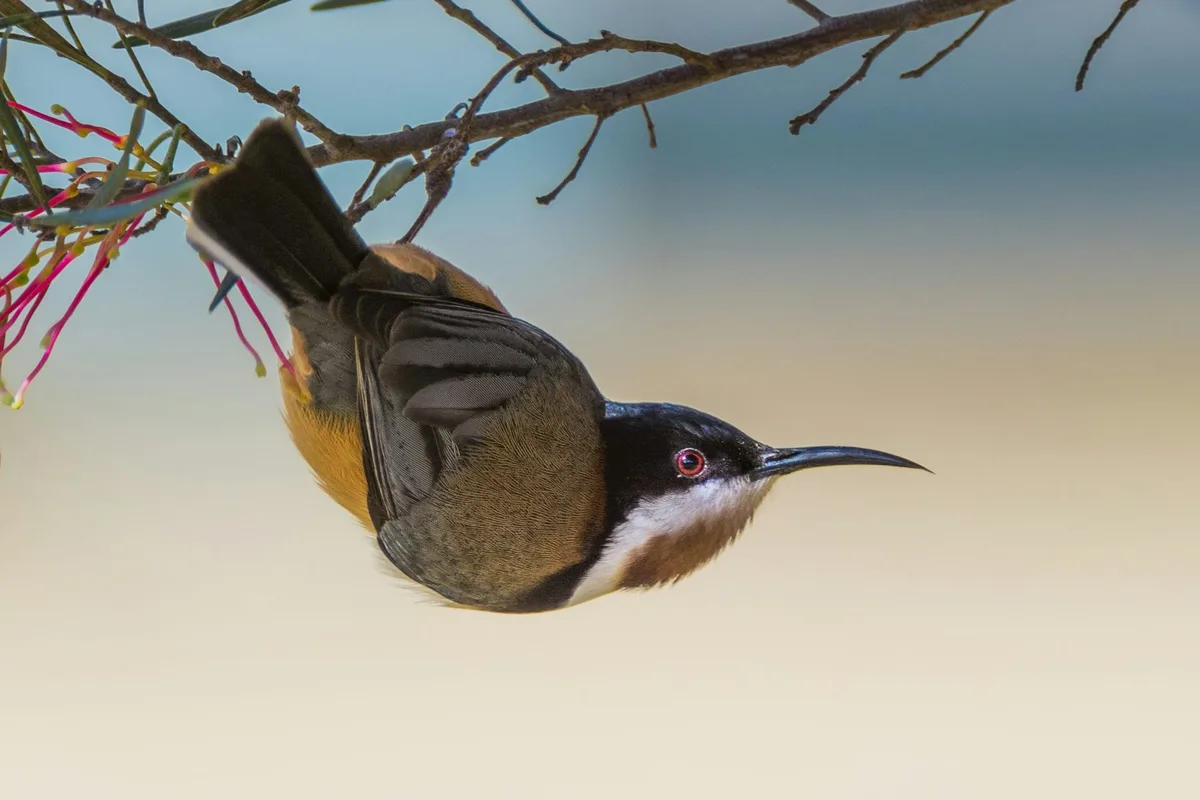
Adam Hauldren/Getty Yesterday, I woke to a cold, damp Canberra morning – and silence.
The trees around my home were empty of feathered silhouettes.
Even the usual bright-eyed, warble-voiced magpies were absent.
The next morning, they were back.
I don’t know why they went AWOL.
But their absence felt like a taste of what might come as the lethal H5N1 strain of bird flu spreads in Australia, affecting both birds and mammals.
Conservationists once asked : what is a bird without a tree to nest in? This year, we may well wonder the grim inverse – what is a tree without a bird to nest in it? I can tell you.
A tree without a bird is a miserable thing – and in a broader ecological sense, a tree without a bird could be in trouble.
In Australia, birds act in many roles that mammals or insects might fill elsewhere, from pollinating flowers to spreading seeds to keeping trees free of sap-sucking insects.
Bird flu doesn’t just threaten birds and mammals – it could well affect entire ecosystems.
Why birds matter so much Australia’s birds play vital roles in most ecosystems.
As honeyeaters squabble in the canopy, mound-builders such as orange-footed scrubfowls and Australian brush-turkeys turn over vast volumes of soil and leaf litter on the forest floor, as they look for bugs or make their giant mounds.
Their digging loosens and aerates the soil, giving seeds a better chance of germinating and encouraging leaf litter to break down.
In more open woodlands and shrublands, this work is done by birds such as malleefowl, quail-thrushes and babblers.
5News aggregated this summary from the outlet’s public feed. The full article, with all the context, is on theconversation.com — the content belongs to The Conversation Australia.