Saturday 10 October 2026 SourcesAbout🌓
🇦🇺 AU ▾
BREAKING
› Spandau Ballet's Tony Hadley reveals the way he calms his nerves before every show› Mott proven right as Attrition provides rich breakthrough win in Sydney› Arsenal bid to close gap on City, lowly Spurs head to Manchester United – matchday live› ‘I’m supposed to be here’: Angel Reese’s road from ridicule to the WNBA finals› Sliding Doors meets Biff’s Almanac: City saga stirs up a world of alternate histories | Max Rushden› Australia vs South Africa LIVE: Renshaw, Cummins resume batting on day two in Durban› The Issue Podcast: Tech expert questions how Canberra is handling data on the budget, health and MP travel› South Africa v Australia: first men’s cricket Test, day two – live› Police investigating unexplained infant death at Adelaide motel› New Zealand v Australia: Bledisloe Cup rugby union international – live› Spandau Ballet's Tony Hadley reveals the way he calms his nerves before every show› Mott proven right as Attrition provides rich breakthrough win in Sydney› Arsenal bid to close gap on City, lowly Spurs head to Manchester United – matchday live› ‘I’m supposed to be here’: Angel Reese’s road from ridicule to the WNBA finals› Sliding Doors meets Biff’s Almanac: City saga stirs up a world of alternate histories | Max Rushden› Australia vs South Africa LIVE: Renshaw, Cummins resume batting on day two in Durban› The Issue Podcast: Tech expert questions how Canberra is handling data on the budget, health and MP travel› South Africa v Australia: first men’s cricket Test, day two – live› Police investigating unexplained infant death at Adelaide motel› New Zealand v Australia: Bledisloe Cup rugby union international – live
Science

What major tests like PISA and NAPLAN get wrong about Indigenous students
The Conversation Australia ·
What major tests like PISA and NAPLAN get wrong about Indigenous students

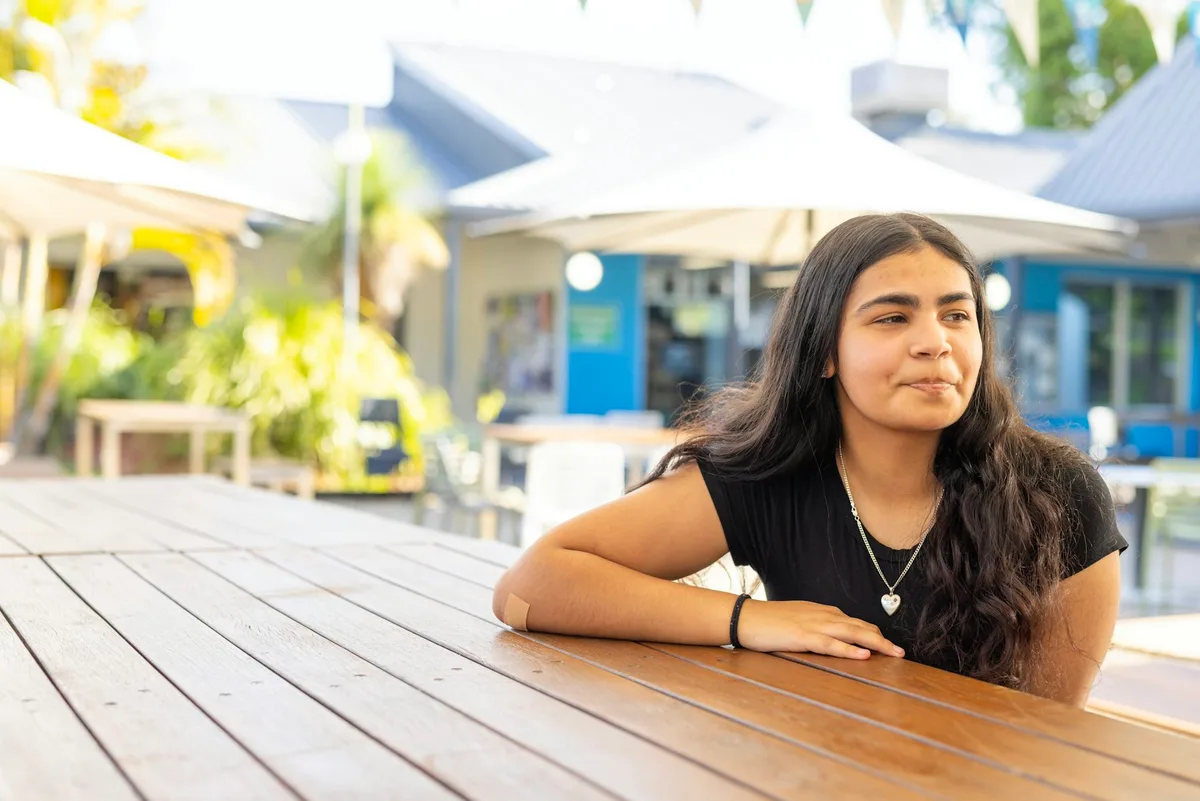
davidf/Getty Images We’ve just received the results of the latest PISA test – the international assessment of 15-year-olds’ science, maths and reading skills.

In Australia, the reporting followed a script that will be familiar to anyone who keeps an eye on what happens in schools and academic results.

Indigenous students were compared to non-Indigenous students and found to be 72 points behind non-Indigenous students in science, 76 behind in reading and 74 points behind in maths.

Average scores for PISA are typically around 500 points .

Those numbers are accurate – but they tell only part of the story.

For example, in PISA, average Indigenous science scores rose 16 points since 2022, while non-Indigenous scores did not move.

Indigenous scores in reading and maths also held steady, while non-Indigenous scores dipped.

What NAPLAN research tells us The PISA “gap” mirrors reporting of NAPLAN scores, the literacy and numeracy testing of Australian students in years 3, 5, 7 and 9.

These also highlight how Indigenous students lag behind their non-Indigenous peers.

And make no room for talking about Indigenous successes.

There are other ways of looking at the scores.

A 2024 study led by Peter Anderson, examined a decade of NAPLAN data and found comparing Indigenous students to non-Indigenous students’ averages obscured what is actually working.

When Indigenous students were matched with their Indigenous peers who shared similar starting points, it showed some schools and systems were achieving real, sustained gains.

These gains did not show up in conventional comparisons.

Read the full article on The Conversation Australia ›

5News aggregated this summary from the outlet’s public feed. The full article, with all the context, is on theconversation.com — the content belongs to The Conversation Australia.
More from The Conversation Australia

See all ›

More in Science

See all ›