By fixating on immigration numbers, are our leaders missing the bigger picture for working Australians?
It can be tempting to blame grievance politics or the rise of One Nation for the tenor of current debate, but these are symptoms of a deeper malaise
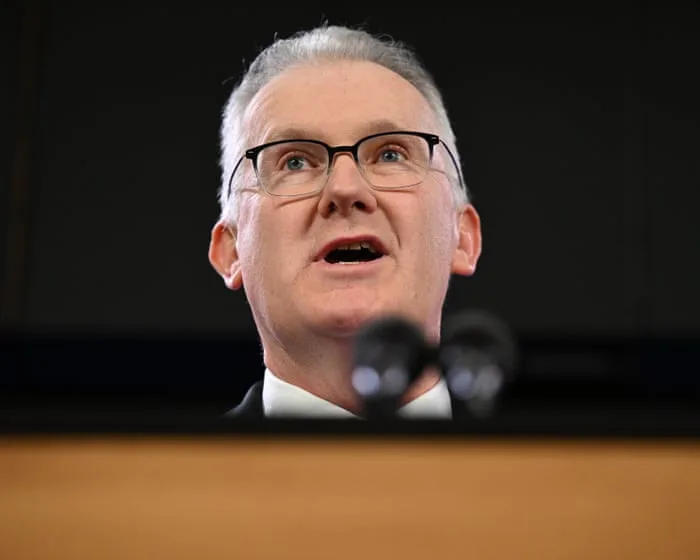
W hen the immigration minister, Tony Burke , approached the National Press Club podium on Thursday, the eyes of every migrant in the country would have been fixed on him. But, in fact, Burke’s address was a message for all working people across the country – and a signal of the times ahead for all of us.
The past 12 months have seen all sides of politics cohere around the consensus articulated in the introduction to Burke’s address by the press club’s president, Tom Connell: “there is furious agreement over a need for a cut to immigration.” The only difference across the political spectrum is in the detail: who deserves to be cut, and who is valuable or otherwise deserving enough to remain.
In fact, judging by the tenor of current debate, it would be easy to think that immigration is the only economic lever available to the government to address housing affordability, falling wages and cost-of-living pressures. To test that theory, consider whether, over a Sunday lunch, your uncle is more likely to proffer an opinion on tax settings driving housing speculation, the corporate supermarket duopoly or immigration levels? There is an attractively simple supply-and-demand logic underlying the assumption that fewer people will automatically mean more to go around.
But migrants didn’t design – and then implement over 20 years – the tax breaks that transformed housing into an asset , allowing investors to drive up prices and control distribution through property hoarding. And it wasn’t migrants, sitting in state and federal legislatures, who chose to wind back investment in public housing that previous generations had benefited from.
Migrants didn’t mastermind the attacks on collective bargaining that have seen union membership and real wages plummet over the past two decades. And they didn’t invent the supermarket duopoly or dictate the eye-watering profits that Coles and Woolworths maintain, driving up grocery prices while wages remain stagnant .
But as long as public debate remains fixated on immigration numbers, the bigger policy questions that could actually transform the lives of working people will remain unanswered. And there will be an endless, self-fulfilling cycle of blame targeting our friends, neighbours and co-workers born overseas for problems not of their making.
Burke set the scene for future blame-shifting. Design features of our migration program are ascribed to temporary migrants as a kind of collective moral failing. For decades, governments have re-geared the migration system towards temporary migration and shifted the goalposts on permanent residency.
5News aggregated this summary from the outlet’s public feed. The full article, with all the context, is on www.theguardian.com — the content belongs to The Guardian Australia - Australian Politics.