New EU laws make AI content labels compulsory – but might just make it harder to spot deepfakes
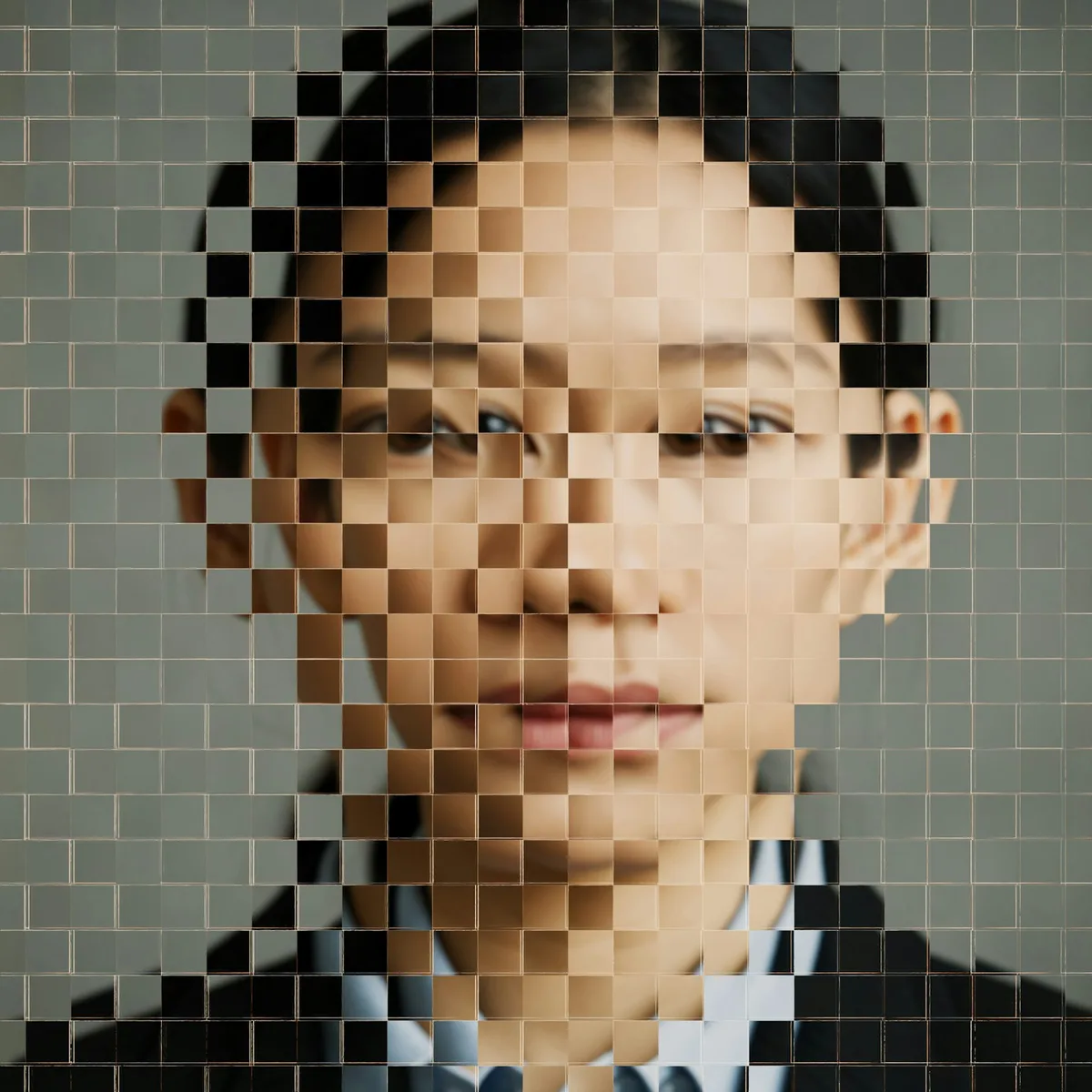
marcoventuriniautieri/Getty As the world is increasingly flooded with deepfakes, the European Union is taking action to help people distinguish what is real and what is not.
It recently started enforcing transparency obligations for tech companies which require them to clearly label any photos, videos and audio which are created using their artificial intelligence (AI) systems and designed to look authentic.
This is a step up from the approach of other countries, such as Australia, which only recommend AI developers mark AI-generated content to help people identify it.
This matters because research suggests that when confronted with sophisticated AI-generated content, our ability to distinguish fake from real can be little better than a coin-toss.
But will the EU’s approach actually work? And could requiring the labelling of AI-generated content have unintended consequences? Could it potentially make us more vulnerable to the very content designed to deceive us? A set of icons Article 50 of the EU AI Act took effect from August 2.
It introduces various transparency obligations for companies who provide or otherwise deploy AI systems or content.
Among these obligations, AI-generated or manipulated images, audio, or videos which resemble existing persons, objects, places, entities or events must now be disclosed as such.
AI-generated or manipulated text on matters of public interest, which is not subject to human review or editorial control, must also be disclosed.
The EU has developed a set of icons which authentic-looking AI content must be labelled with.
For audio deepfakes, a short audible disclaimer should be placed at the commencement of the content.
Icons should be clearly visible when users first encounter the content.
They should also be placed without obstructing overlays, and embedded into the content so it remains visible when shared or downloaded.
Using these EU icons is optional, however disclosure of such content in accordance with the act remains mandatory for companies.
Interestingly, for evidently artistic, creative, satirical, or fictional AI-generated content, disclosure is only required in a way that informs audiences without disrupting the presentation or enjoyment of the work.
5News aggregated this summary from the outlet’s public feed. The full article, with all the context, is on theconversation.com — the content belongs to The Conversation Australia.