The US says it has launched ‘space control weapons’. It plays into the hands of its enemies
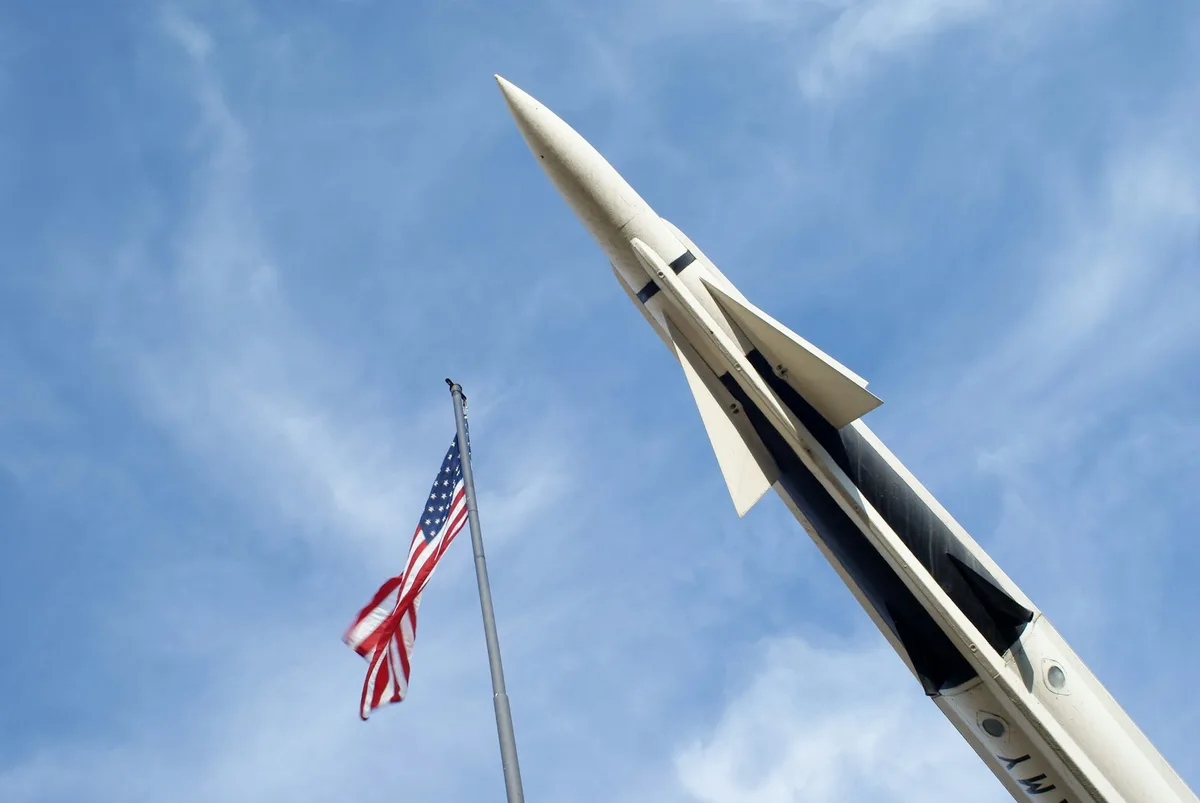
igermz/Getty Images US Air Force Secretary Troy Meink this week announced the United States has deployed what he called “ on-orbit space control weapons ”.
This public statement came as a surprise to many, but not for the reasons you may think.
For many years now, China, Russia and the US have accused each other of weaponising space, or of creating an arms race in space.
They have all consistently denied doing so.
For the US now to declare it has space weapons, it seems like an admission that China and Russia’s accusations are correct.
It’s also worrying, because other countries might feel they have permission to do the same.
And this would make space very unsafe, increasing the risk of attacks on satellites, which are crucial for modern militaries , as well as daily life on Earth, as we depend on those same satellites for things like GPS, internet, phones, banking, global shipping and transport.
What is a space control weapon? The term “space control” may seem odd.
But it comes from many years of US policies and military doctrines which all state that the US seeks dominance , superiority and control in space.
In 2025, the US Space Force released its Doctrine Document which stated: space control consists of offensive and defensive actions, referred to as counterspace operations.
Many countries already have so-called counterspace capabilities : the ability to interfere with each other’s satellites, whether by jamming a communications or GPS signal (which is happening regularly in and around Ukraine), “spoofing” a false GPS signal to confuse militaries about the whereabouts of their adversaries, cyber attacks, or electronic warfare.
None of this is Star Wars, but all of it can be worrying if it escalates.
As for what US space control weapons actually are, and whether they’re any different from existing counterspace capabilities, Meink refused to provide any more details.
There are three possibilities.
5News aggregated this summary from the outlet’s public feed. The full article, with all the context, is on theconversation.com — the content belongs to The Conversation Australia.