When is selling clothes or other items online a hobby vs a business? These are the tax rules
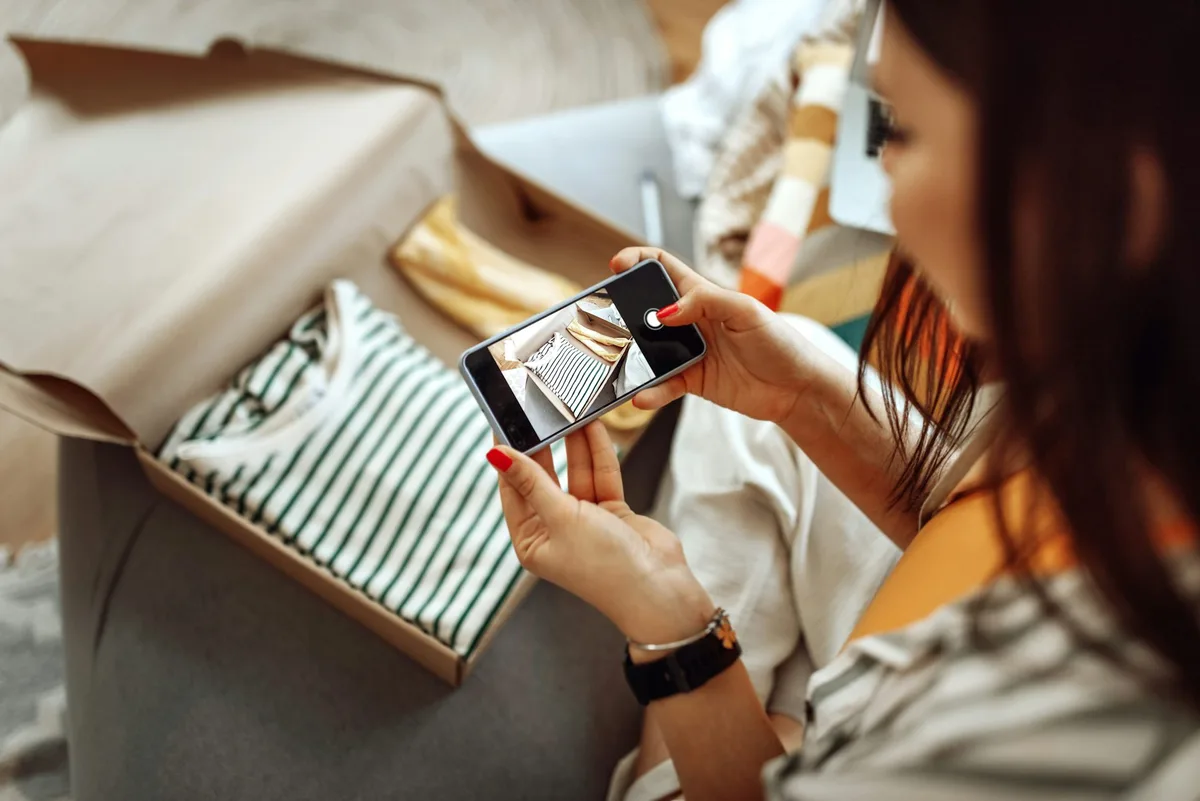
mixetto/Getty Images It’s now easier than ever to sell your unwanted clothes or household items online in Australia.
Many popular sites, from eBay , Depop and Facebook Marketplace to newly arrived competitors like Vinted , have either scrapped or limited their seller’s fees, depending on the location, value and number of items sold.
So when do you need to declare your online sales income to the Australian Taxation Office and pay tax on it? The answer can be as messy as your wardrobe.
Be aware there is no minimum value of sales that triggers taxation obligations in Australia.
Digging into the law reveals key questions to consider whether you’re spring cleaning your wardrobe to get some cash for the latest fashion, selling a more valuable asset, or starting to run a business.
Tracking 600 million transactions a year Two of the biggest online sales sites, eBay and Amazon, are required to provide lots of transaction data to the tax office.
What about selling goods on other platforms? The tax office may be tracking that too.
Its tentacles are vast, with more than 600 million transactions reported and matched to taxpayers every year from a wide variety of private and public sources.
Even if a platform is not required to report, the transactions may still be captured through credit and debit card payment systems, such as Stripe or Square.
The tax office can also request information from the banks.
It may even gather information via insurers on unexplained wealth based on “ lifestyle assets ” – such as cars, boats or art – you may own.
There are also examples of taxpayers being caught out with unexplained deposits leading to hefty tax bills.
Is it just a hobby? Let’s say you found a dress in your wardrobe that you bought for A$250, wore once, but don’t like.
So you decide to sell it on eBay or Amazon, rather than giving it away.
5News aggregated this summary from the outlet’s public feed. The full article, with all the context, is on theconversation.com — the content belongs to The Conversation Australia.