Wear It Purple Day is about more than a T-shirt. Here’s how schools can really include gender and sexuality diverse youth
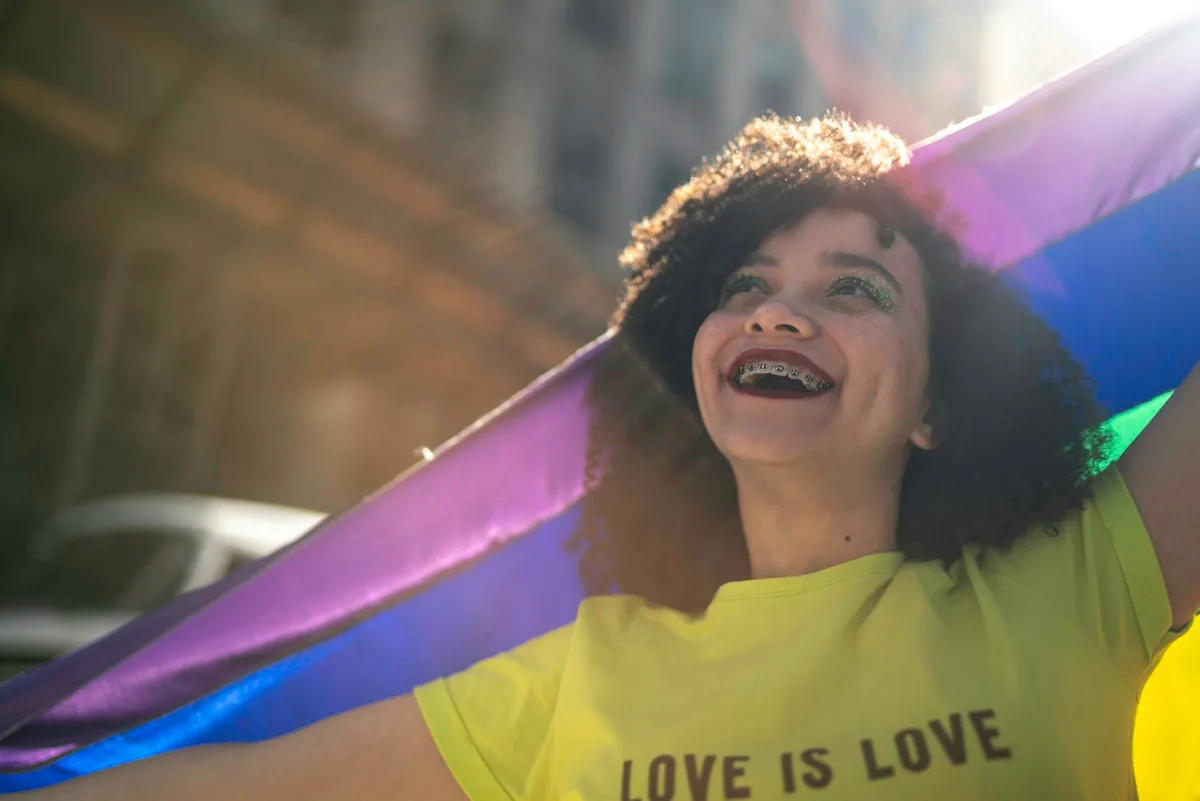
FG Trade/Getty Images Today is Wear it Purple Day – when students and staff across high schools and universities are invited to wear purple items of clothing to recognise and celebrate gender and sexuality diverse (GSD) young people.
Workplaces are also encouraged to take part.
The initiative began in 2010 to better support GSD youth in the face of widespread discrimination and bullying.
Many kids and teachers go to school today wearing purple T-shirts and headbands.
But how well do Australian schools actually include GSD students? And how well does the school system educate all students about gender and sexual diversity? A growing demographic The number of young people self-identifying as GSD has been growing steadily in Australia.
About 9.5% of 16 to 24-year-olds identify as gender or sexuality diverse.
This compares to 7.5% of 25 to 34-year-olds and 3.9% of 35 to 44-year-olds.
Other research suggests proportions of GSD people might be closer to 20% in the 18–24 age group.
Schools have a role to play Research tells us discrimination can lead to GSD young people feeling shame, isolation and loneliness .
This can significantly affect their mental health and increase rates of self-harm and suicide.
Schools can either be a part of the problem or help young people .
For example, school cultures that assume being straight and cisgender are the “default” sexuality and gender identities can make environments hostile for GSD students.
Whereas high schools that offer inclusive environments can increase GSD students’ sense of school belonging.
However, a 2021 national study found GSD young people overwhelmingly reported homophobic language was common at high school, and school staff did not proactively respond to discrimination.
5News aggregated this summary from the outlet’s public feed. The full article, with all the context, is on theconversation.com — the content belongs to The Conversation Australia.