Travellers facing higher airfares going into Christmas
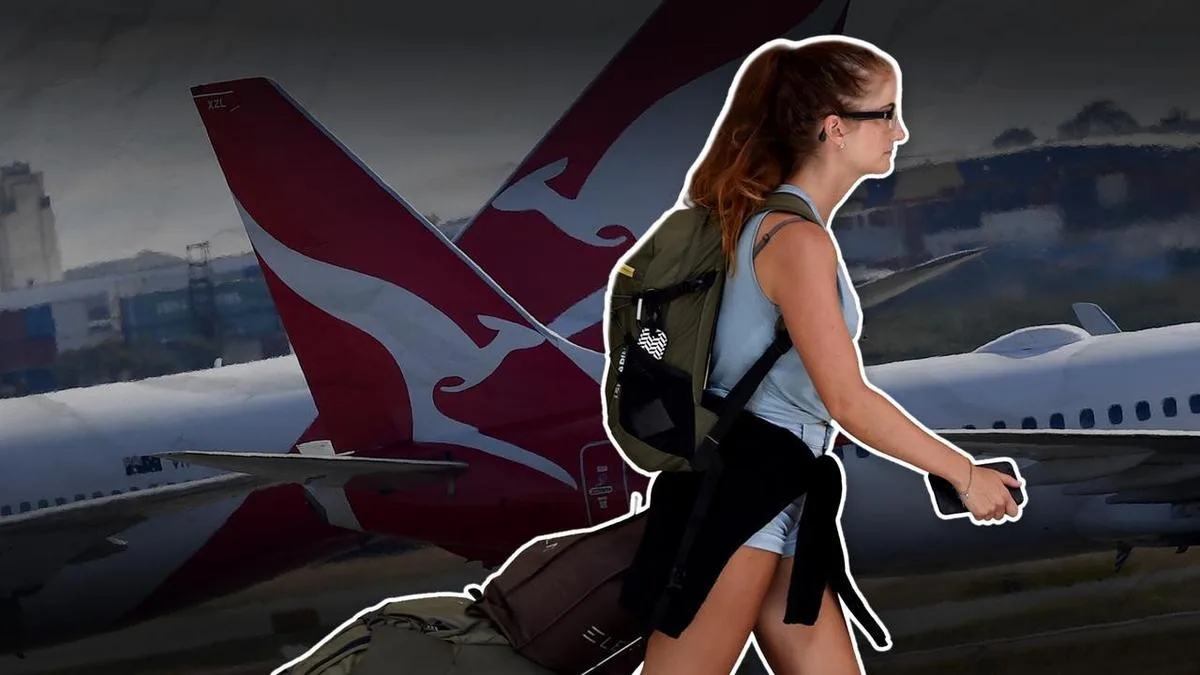
Domestic travellers risk paying more for airfares leading into the busy Christmas and New Year holiday period.
The prospective increases by Qantas, Jetstar and Virgin Australia on major routes are being driven by capacity cuts and ongoing management of higher fuel costs linked to the Middle East conflict, the competition watchdog says.
"Together with planned capacity reductions, resilient demand and high load factors, this suggests that airfares may increase," the Australian Competition and Consumer Commission said on Tuesday, as it released its latest quarterly report on the domestic aviation market.
The document covering the three months to the end of July comes after Qantas Group, which includes Jetstar, and Virgin released their annual results in August.
Commission chair Gina Cass-Gottlieb noted that both groups reported strong annual results for 2025/26, despite a rise in jet fuel prices since late February.
"These results highlight the financial resilience of the two largest operators in Australia's highly concentrated domestic aviation market,'' she said.
Qantas posted underlying annual earnings of $2.4 billion, down 11 per cent from the prior year, while Virgin increased its underlying earnings by 13.4 per cent to $753 million.
The groups have already said they expect to earn more revenue from each plane seat, the chair added.
Virgin has forecast revenue per available seat kilometre to grow by between six and eight per cent in the first half of 2026/27.
Qantas Group has forecast a rise between eight and 10 per cent for both its domestic and international segments.
Meanwhile, the regulator found that the average industry domestic airfare rose in recent months from a year earlier, with fares up 3.5 per cent in May and four per cent in June, before moderating in July.
Seat capacity fell by 2.3 per cent in May and June, with the latter month marking the lowest level of capacity in four years.
At the same time, domestic passenger volumes remained relatively stable in the quarter.
"As passenger demand remained relatively stable and fewer flights were offered, airlines were able to fill more than 80 per cent of seats," the regulator said.
5News aggregated this summary from the outlet’s public feed. The full article, with all the context, is on www.perthnow.com.au — the content belongs to PerthNow.