Australia’s EV sales are skyrocketing. Our charging infrastructure may soon struggle to keep up
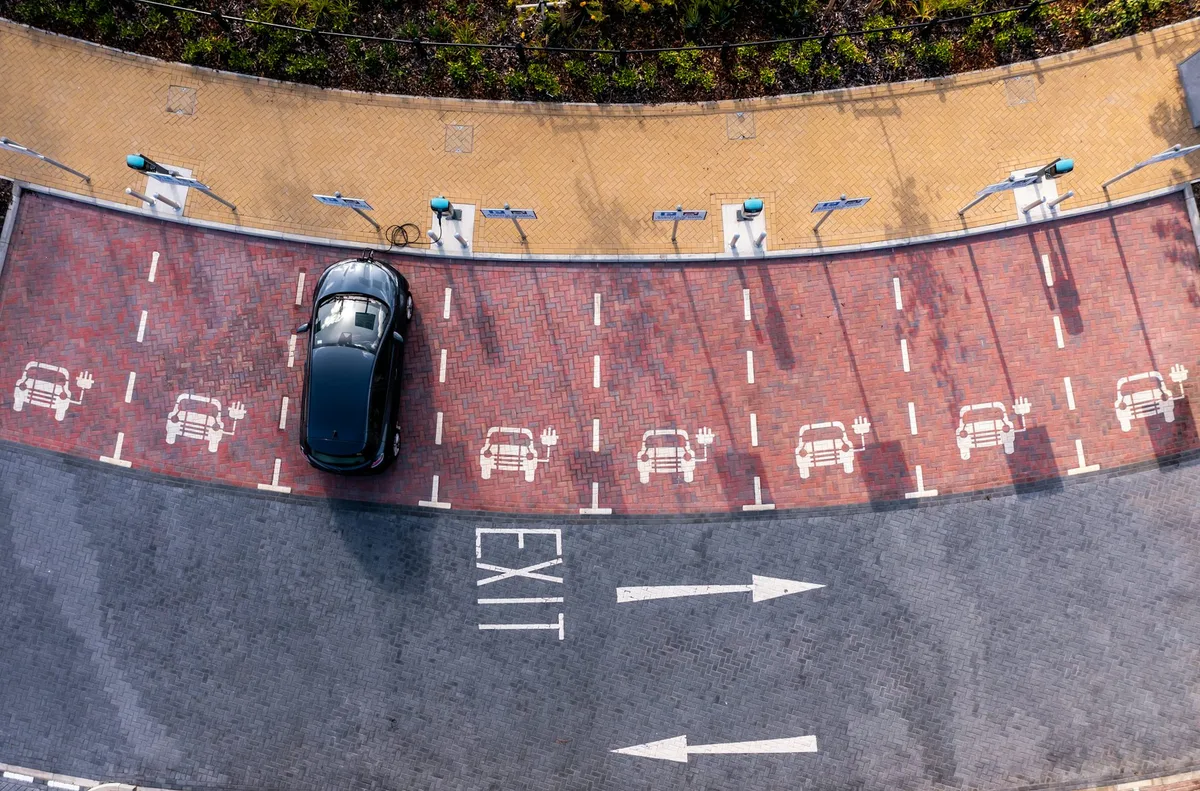
Teamjackson/Getty Electric vehicles (EVs) seem to be popping up everywhere.
In the first half of 2026, sales of battery-powered EVs nearly tripled , and July’s figures suggest this trend will continue.
However, our cumulative research reveals Australia’s charging network may soon fail to keep up with the booming EV market.
Behind the boom Over the past six months, sales of battery-powered EVs have surged to represent 23.4% of the new car market, up from 8.4% in January.
And this growth is showing no signs of slowing.
Combined data from the Electric Vehicle Council and the Federal Chamber of Automotive Industries shows more than 108,000 new cars hit the road in July, of which more than a fifth were battery-powered EVs.
Major EV manufacturers Tesla and Polestar alone delivered more than four times as many new vehicles in July as they did in the same month last year.
BYD, which sells EVs and hybrid cars, is now Australia’s second best-selling brand overall behind Toyota.
It upped its new car sales by 70.5% year-on-year.
Until recently, Australia appeared to be a laggard in the uptake of EVs.
This is despite a large and growing appetite for home electrification technology, including rooftop solar and home batteries .
This year, EVs seem to have become just as popular.
In July, sales of petrol and diesel cars fell sharply as fuel prices climbed.
Meanwhile, plug-in hybrid sales surged by 157% .
5News aggregated this summary from the outlet’s public feed. The full article, with all the context, is on theconversation.com — the content belongs to The Conversation Australia.