What happens next with bird flu? An expert explains why monitoring matters
Samuel Bloch/Getty The lethal H5N1 strain of avian influenza is rapidly spreading along the coast of southern Australia, where it has killed thousands of wild birds and infected at least two long-nosed fur seals .
So where will it travel next, and what damage might it inflict? Much is uncertain, especially because many of Australia’s animals and ecosystems are so unlike those in other parts of the world.
But monitoring is vital if we are to understand the magnitude of this H5N1 outbreak and protect our most vulnerable species, including the threatened Australian sea lion .
What may be coming It’s difficult to know how Australia’s current H5N1 crisis will unfold.
But we can make four predictions, based on existing knowledge.
Waterfowl will carry the virus inland Infected waterfowl from coastal southern Australia – such as ducks, herons and swans – will soon carry H5N1 to inland wetland systems.
The timing is terrible.
In coming months, the hot and dry conditions created by the El Niño climate pattern will cause those wetlands to shrink.
This means vast numbers of waterfowl, already debilitated by scarce resources, will congregate at the few remaining water sources.
Weak flow and high densities of dead and dying birds will turn this water into a virus-contaminated soup, leading to further losses.
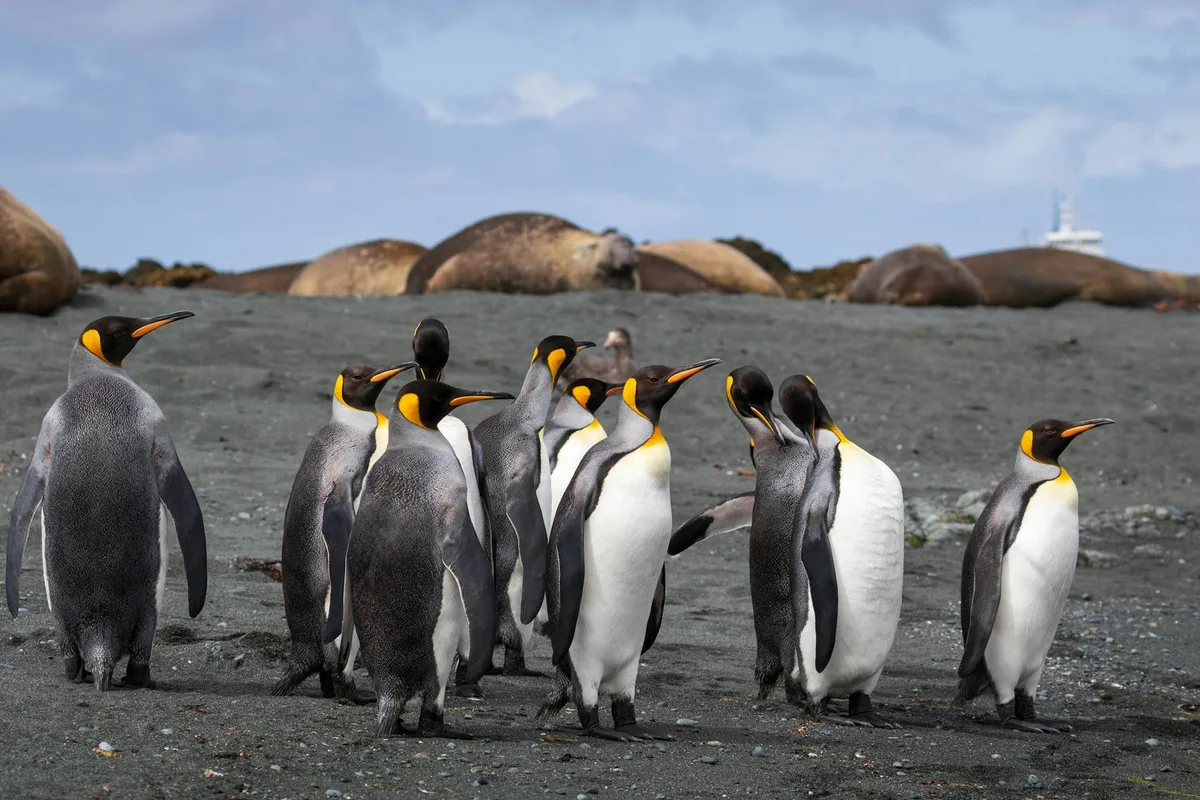
Macquarie Island’s wildlife will suffer major losses To date, the significant seabird, seal and king penguin colonies on Macquarie Island have escaped the virus.
However, H5N1 has devastated similar colonies on many other subantarctic islands, such as Keguelon and Crozet Islands.
Macquarie’s luck will soon run out, leaving its densely packed colonies of penguins, seals and petrels extremely exposed.
In response to this threat, the Australian government has evacuated researchers from the island to protect their physical and psychological health.
5News aggregated this summary from the outlet’s public feed. The full article, with all the context, is on theconversation.com — the content belongs to The Conversation Australia.