Big cat spotted stalking trout fisherey in Scotland
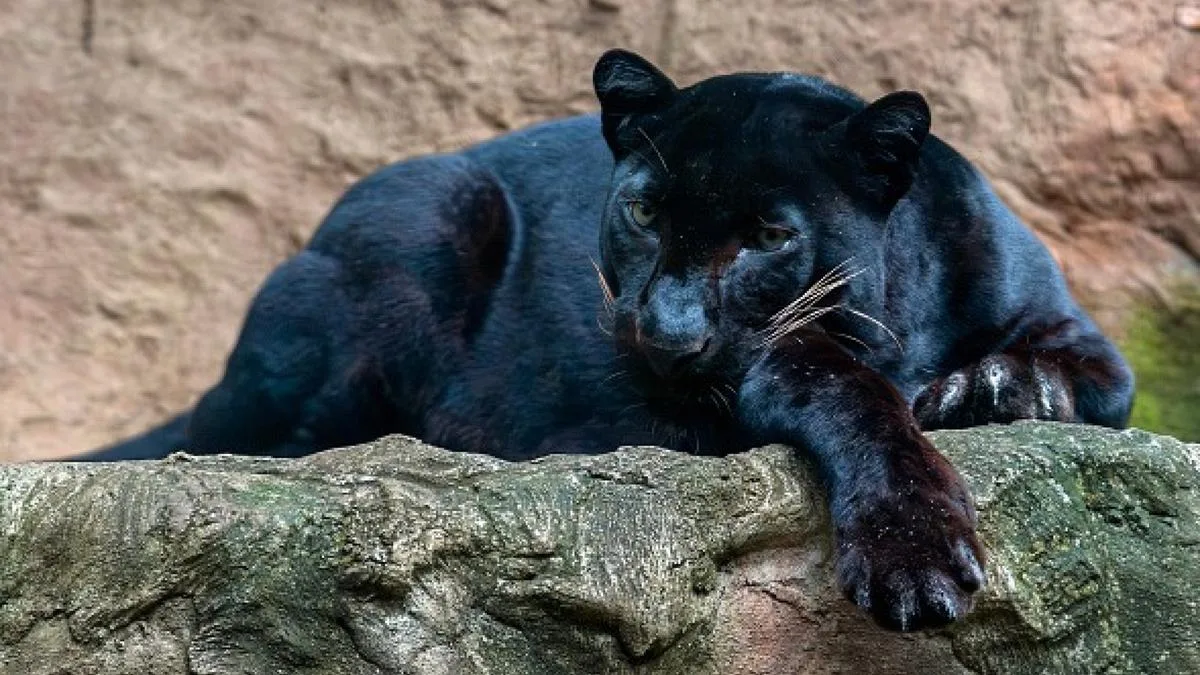
The mysterious creature is believed to have been lurking around the Ledyatt Trout Fishery near Lundie for around 18 months and it was recently caught on camera - now experts from the Royal Zoological Society of Scotland (RZSS) have reviewed the footage and concluded the beast could have "some wildcat ancestry" or be a hybrid between a wild species and a domestic moggy.
A spokesperson for the organisation told The Courier newspaper: "While this individual may have some wildcat ancestry, without further imagery or footage, or genetic testing, it would be difficult to confirm this.
David Duff, who owns the fishery, previously told the publication the cat - which has been hunting rabbits around the trout pools - is larger than a domestic moggy and too big to be a Bengal, a large domestic cat often mistaken for its wild cousins.
He said: "He’s a lot bigger than a cat. He’s not a vegetarian, I can assure you that. He’s just spectacular. A lot of people are saying it’s a Bengal cat.
"My experience of cats is very limited, but I’ve googled it and, when you see him up close, he’s definitely striped.
"Whether he’s a cross, an escaped cat or a very expensive pet that’s become wild, it doesn’t matter to me.
He added of the area: "When you look at the wildcat habitat, it’s perfect for it. There are lots of trees, forests and wild grass, and there are lots of wild animals here. It’s just perfect for a cat to live."
The sighting comes after a UK-based organisation issued safety guidance for hikers and dogwalkers on what to do if a big cat is spotted in the wild.
Puma Watch North Wales published a series safety guidelines as part of its Big Cat Awareness Campaign which ran throughout July.
The summer safety guide - which was published online - states: "The species of big cat known to inhabit North Wales are reclusive, solitary animals which avoid human contact. "Provided you don’t deliberately approach or follow one, it’s very unlikely to show any aggression and will likely disappear into safety before you reach any close distance ... "
The guide went on to advise walkers to stick to wide, established paths to "reduce the chance of an inadvertent ambush" while keeping small children under close supervision and dogs on short leads.
The safety guide adds: "Avoid walking or hiking alone, especially during dawn, twilight, and nighttime. Carry a (charged) mobile phone and ideally a torch. "Make loud noises as you walk so animals know you’re approaching and can find safety. Consider carrying an air horn or whistle for emergencies.
5News aggregated this summary from the outlet’s public feed. The full article, with all the context, is on www.perthnow.com.au — the content belongs to PerthNow.