Bird flu is here to stay. NZ’s response must keep adapting as the virus takes hold
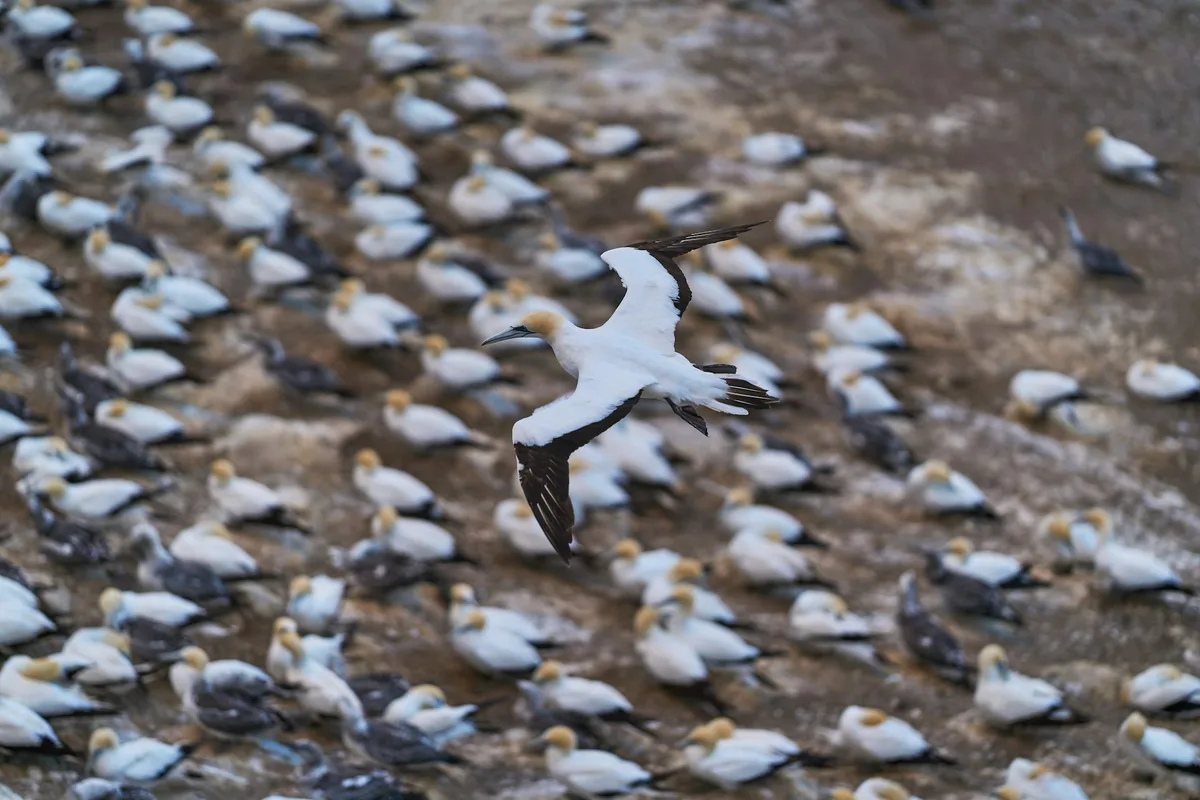
Gautam Ramasubramanian/Getty Images The confirmation of Australia’s first mainland death of a mammal from bird flu last week highlights New Zealand’s challenge to manage the deadly H5N1 strain of the virus.
Bird flu has now been found in three wild birds in New Zealand, most recently in a northern giant petrel.
Once established in wild birds, it cannot be contained or eradicated .
Like other emerging wildlife diseases , bird flu can change in ways that are difficult to predict.
The challenge now is to remain vigilant in early detection, both in birds and marine mammals, and to adapt decisions and processes as new evidence emerges.
New Zealand’s response strategy takes a One Health approach, recognising connections between human, animal and environmental health.
The Ministry for Primary Industries coordinates the response, while the Department of Conservation focuses on threatened species and health agencies protect human health.
A vaccination programme of some of New Zealand’s most threatened native birds is underway, focused initially on five intensively managed species but with an ongoing review to include other species.
New Zealand is also monitoring overseas vaccine trials for marine mammals such as the endangered Hawaiian monk seal .
Conservation scientists are applying “ adaptive management ”, which uses the best available evidence to guide decisions and adjust direction as new information emerges.
The objective is to reduce uncertainty so that future decisions become progressively better informed.
This approach is already widely used in conservation, from managing North American waterfowl to protecting the Great Barrier Reef .
In New Zealand, it helps prioritise actions in species recovery programmes , including for the most critically endangered birds such as the New Zealand fairy tern, tara iti.
The New Zealand fairy tern, or tara iti, is among the most critically endangered bird species.
5News aggregated this summary from the outlet’s public feed. The full article, with all the context, is on theconversation.com — the content belongs to The Conversation Australia.