Genre bans, ‘pokies pub’ loophole ditched in new NSW live music overhaul
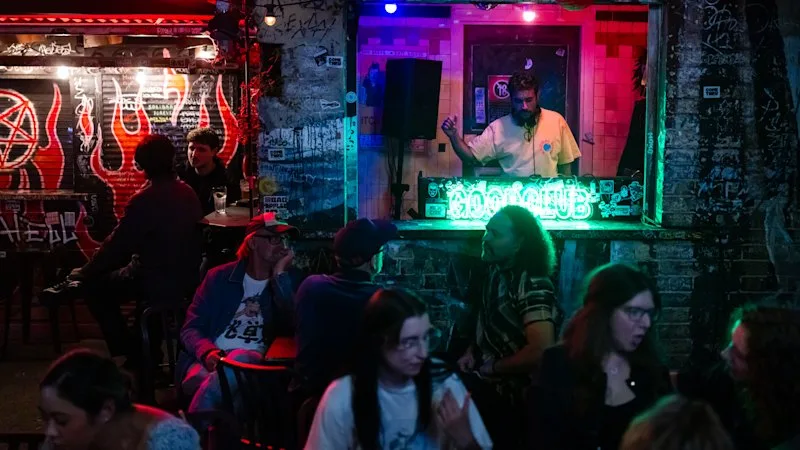
Police and other state agencies will no longer be able to discriminate against particular genres played in live music venues under a new NSW music bill.
Labor’s contemporary music bill marks its second legislative push to reinvigorate Sydney’s nightlife since the 2014 lockout laws, with the first focusing on venues and hospitality through the vibrancy reforms agenda, and the latest on protecting the music sector.
Now state government agencies and local councils can’t assess a live music event’s risk based on its music genre, whether through licensing conditions, development applications, or event approvals.
In the past, police have tried to stop venues from booking music acts from specific genres, such as rap and drill.
Sydney rap group OneFour was the target of a licensing police campaign that prevented venues across the city from including them on their line-ups, according to a 2023 Netflix documentary . The group’s profile soared after a national tour in 2019 was cancelled. At the time, NSW Police admitted to “shutting down” the group’s concerts .
Minister for Music and the Night-time Economy John Graham, who is also arts minister, said the new policy makes it clear that genre alone is not a risk and agencies will be expected to provide evidence to justify risk-based decisions.
“Venues routinely were required to only play jazz or not play disco or not play rock music, or that was how we used to regulate by genre, and it’s totally inappropriate. We’ve removed all that,” Graham said.
The new bill, passed on Thursday, incentivises venues to prioritise local, live music via additional operating hours and grants, after “pokies pubs” used Labor’s $150 million vibrancy reforms agenda to shove musicians into corners, playing covers, in order to access liquor and trading benefits.
Venues that regularly host original live music will now be tiered as “dedicated”, “significant” or “live music”, making them eligible for programs, extended trading hours or government grants depending on classification, instead of blanket eligibility for any that host live music.
“The problem was you couldn’t tell the difference between a pokie venue and a music venue or a venue that was just selling alcohol. They were all treated the same when Liquor & Gaming looked at it,” Graham said.
“We can distinguish not only between who’s playing music, but who are the 50 or 60 venues who are actually programming every night and doing most of the work … It’ll make a big difference to how we can support the key venues that the public would really think about as dedicated music venues.”
Graham said more than 600 venues in NSW are receiving music incentives. “What we’re trying to do is create a third stream of income for venues so that they don’t have to lean so much on either pokies or alcohol,” he said.
Concert organisers can expand line-ups to more than four acts without being designated as a large-scale music festival.
5News aggregated this summary from the outlet’s public feed. The full article, with all the context, is on www.brisbanetimes.com.au — the content belongs to Brisbane Times.