The tiny window problem creating two classes of home owners
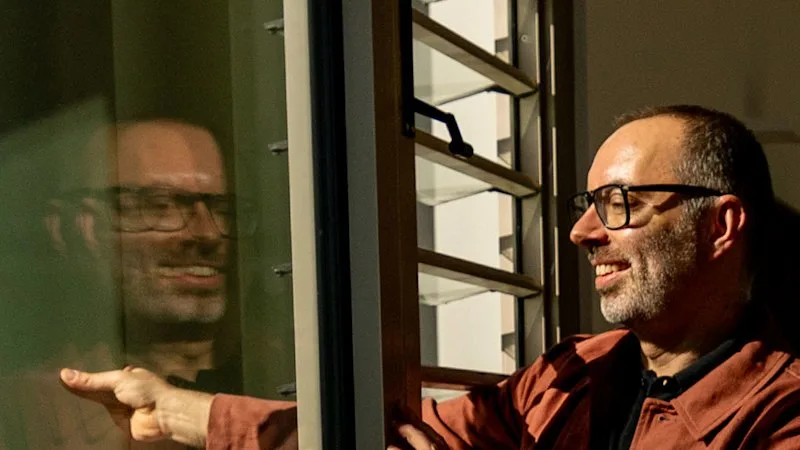
The spread of sash windows in high-rise apartment blocks across Sydney and other capital cities is limiting ventilation and threatening health and wellbeing, says Estelle Grech, an urban planner and director of planning, fairness and equity with the Committee for Sydney.
Under the building code, a room must have ventilation – via windows or doors – equivalent to 5 per cent of the floor space.
The problem? The size of the opening is determined by the size of the sash, the inner frame supporting a window’s glass, and not the area that can be opened.
But in most high rise, fall protection rules mean sash windows can open only to the size of a child’s head, 125mm.
Grech said the “restrictors” reduced the effective opening to 10 to 15 per cent of the sash.
“A window counted as delivering 5 per cent of floor area in ventilation therefore delivers closer to half a per cent,” she said. “The apartment complies. But it barely breathes. Just like we need to breathe to live, apartments need to breathe to be liveable.”
The committee’s chief executive, Eamon Waterford, has written to the Australian Building Codes Board (ABCB) asking it to amend the National Construction Code to measure natural ventilation by the effective opening area and not the sash area.
“We increasingly see apartments with no genuinely openable window at all, or only a balcony door that a household with young children or a pet cannot safely leave open.”
Waterford said the goal of providing fresh air was not reaching the homes where it was needed most. It has also created two classes of home owners – those who live in well-ventilated detached homes, and apartment dwellers.
To increase the flow of air, and meet the code, Bates Smart architects has mixed vertical and horizontal louvres with sash windows at two projects, including the 23-storey Banksia apartment block at Norwest Quarter. At another project, Riviere at Kangaroo Point in Brisbane, they used fixed perforated screens with full sliding windows.
A director with Bates Smart, Matthew Allen, said the louvres provide the same level of child safety as sash windows while increasing the amount of fresh air flowing by five to six times.
Balcony doors “can open as much as you like. But any room that doesn’t have a balcony, you’ve got to deal with these windows with fall protection.”
In a case study in the Committee for Sydney report on “breathable density”, Allen wrote that the louvres were delivered without compromising safety, and via a routine approval process.
He said the problem was that sash windows had become the default from the outset: “Proof that habit, not regulation, is the barrier to breathable apartments.”
5News aggregated this summary from the outlet’s public feed. The full article, with all the context, is on www.smh.com.au — the content belongs to Sydney Morning Herald - Home.