Personal locator beacons save lives. But they can’t make hiking safe
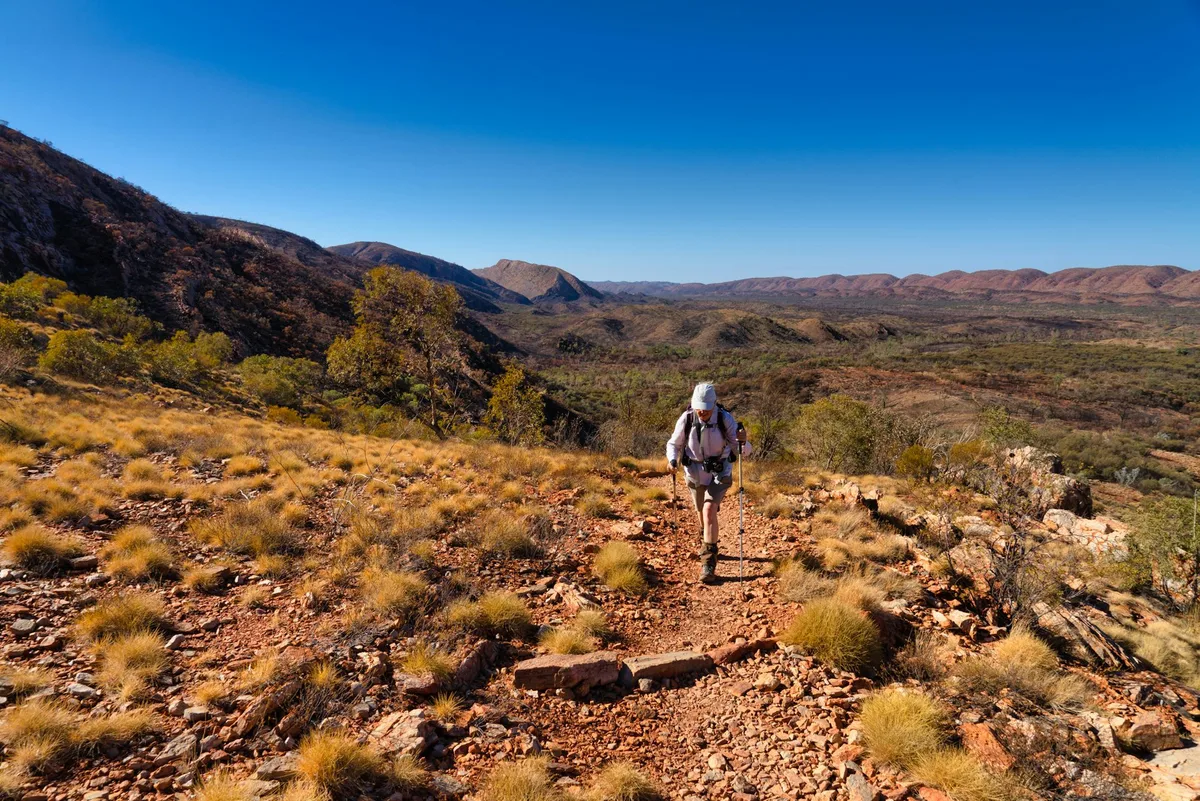
janetteasche/Getty Hiking in Australia is having a moment.
In the ten years to 2024, bushwalking popularity rose 81% .
Social media reels of remote, beautiful landscapes make these places feel more accessible.
But there’s a risk the increased visibility of remote places can draw newer hikers to undertake overly challenging routes.
Many are getting into trouble.
Rescues from Western Australia’s highest peak, Bluff Knoll, increased fourfold in a year , while Queensland’s Glasshouse Mountains have seen a surge in rescues .
A similar trend in England and Wales has been linked to reliance on unsuitable navigation apps and popular social media locations.
Inevitably, this has led to tragedies.
In Australia, a tourist died of hypothermia at Tasmania’s Cradle Mountain, as did two university students near Victoria’s Mount Bogong .
After the tragic death of 18-year-old hiker Lily Hooper on a remote trail in New South Wales this year, her grieving family called for the creation of “ Lily’s Law ” to avoid future tragedies.
This would aim to improve awareness of personal locator beacons and other emergency communication and tracking technologies.
Earlier this year, the grieving family of a prospector who died in remote Western Australia called for mandatory beacon use in other remote settings.
These tragedies raise a broader question: should hikers be required to carry a personal locator beacon or other emergency communication device on remote or high-risk routes? The answer is – probably not.
While these emergency devices are great at locating missing hikers, they don’t stop people getting lost or injured – and they won’t necessarily make difficult rescues any easier.
5News aggregated this summary from the outlet’s public feed. The full article, with all the context, is on theconversation.com — the content belongs to The Conversation Australia.