Australia’s reading and maths results are at an ‘all-time low’ – but there’s more to the story
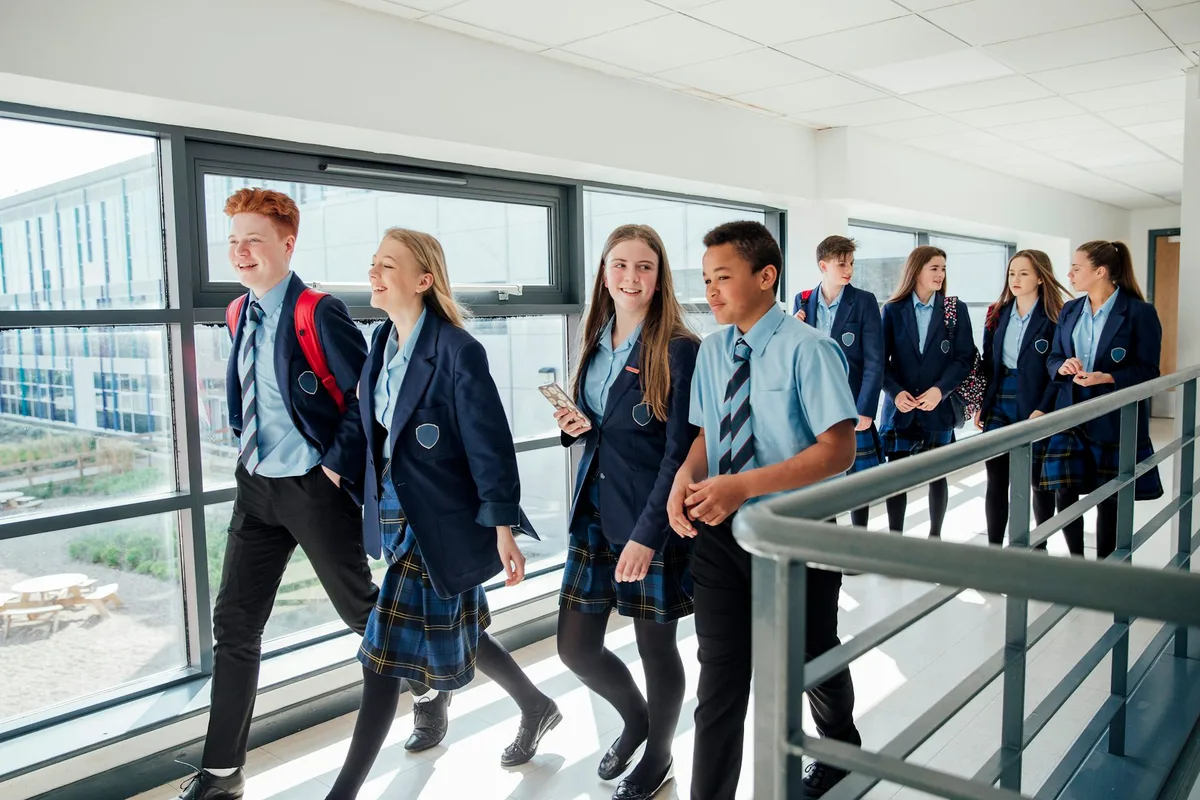
SolStock/Getty Images Results from the latest international test of 15-year-olds have prompted another round of headlines suggesting there are serious problems with Australia’s academic results.
Some outlets reported Australian reading and maths results in the PISA tests have taken a “ plunge ” and sunk to an “ all-time low ”.
At the same time, headlines have lamented “Australia’s classroom disruption [is] among worst in world”.
As someone who has researched PISA for 25 years from three different countries (Norway, England and Australia), what do the results tell us, beyond the punchy headlines? What is PISA? PISA stands for the Programme for International Student Assessment .
It’s an international survey comparing the skills and knowledge of 15-year-old students across 91 OECD countries.
It also involves a survey of students about their classroom experiences.
PISA is conducted every three years and aims to assess how effectively students can transfer the lessons learnt in school into the real world.
The tasks in PISA are less about memory and more focused on students’ ability to analyse and problem-solve.
PISA tests students in three main domains: mathematics, science and reading literacy.
In 2025 it also added a new area: learning in the digital world, which tested digital skills.
In the latest round, conducted in 2025, 91 countries and 760,000 students participated.
This makes PISA the largest education survey in the world.
In Australia , 766 schools from all states and territories and 14,658 students participated.
Australian students perform above average Despite the alarmist headlines, in 2025 Australian students maintained above OECD-average scores in reading, science and mathematics.
5News aggregated this summary from the outlet’s public feed. The full article, with all the context, is on theconversation.com — the content belongs to The Conversation Australia.