Ten-year rise in women hospitalised for endometriosis
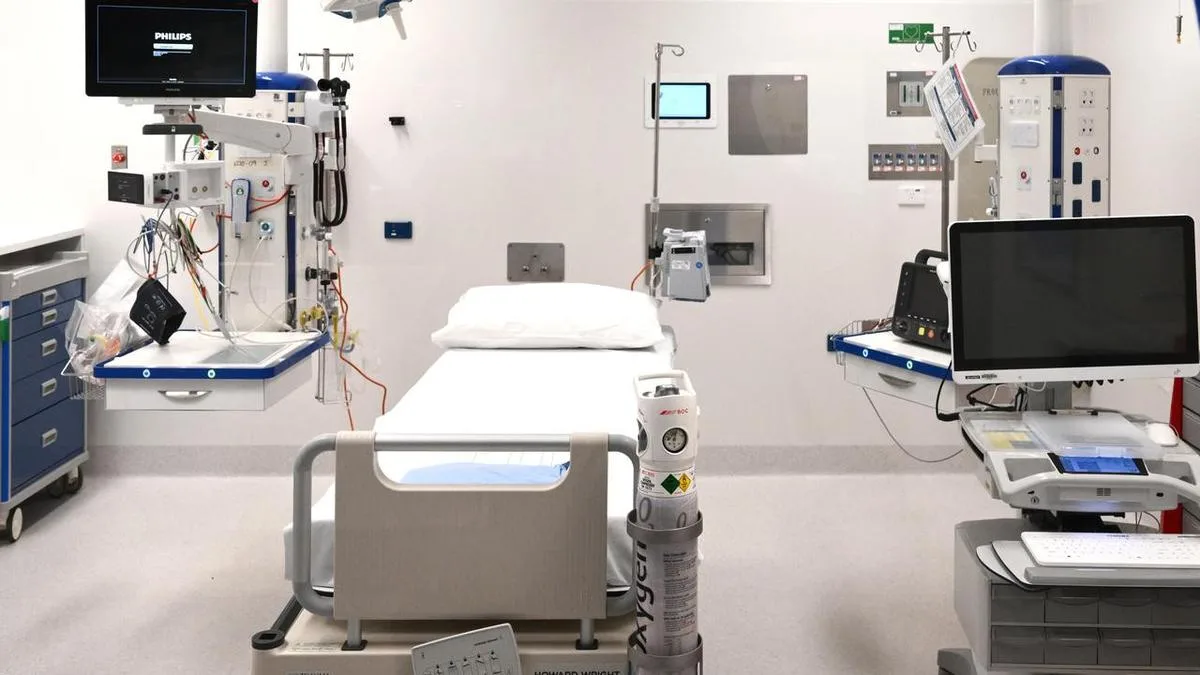
The rate of girls and women in Australia being hospitalised for endometriosis has increased by almost a quarter in the past decade, with more than 70 per cent of procedures occurring in private hospitals.
There were about 24,700 hospitalisations for endometriosis in 2024 to 2025, a 23 per cent increase from 2015 to 2016, according to new data released on Friday by the Australian Institute of Health and Welfare (AIHW).
Endometriosis is a disease where tissue similar to the lining of the uterus grows in other parts of the body, and is being diagnosed more often in women with a 60 per cent increase in GP diagnoses between 2011 and 2021.
Nine out of 10 hospitalisations for endometriosis involved a procedure with 71 per cent of these conducted private hospitals, while one in 10 hospital admissions were recorded as emergencies.
The rate of endometriosis hospitalisations surpassed a 4.7 per cent increase in all female hospitalisations over the decade.
Just over half of endometriosis hospitalisations (52 per cent) involved laparoscopic excision, which is keyhole procedure to remove endometriosis deposits, with two in five procedures occurring in women aged 25 to 34.
Twenty-three per cent hospitalisations involved a procedure to insert or replace an Intrauterine Device (IUD), which is used as first-line hormonal treatment to slow the growth of endometriosis.
There were 3200 hysterectomies performed for endometriosis in 2024 to 2025, which is a major procedure usually only considered once other surgical options have been tried, failed or are deemed inappropriate.
After decades of neglect in endometriosis medical research, these increases are likely influenced by growth in awareness among the general population and medical practitioners in recent years, the report said.
"This report is important for understanding changes in treatment and care pathways, and for informing efforts to improve health outcomes for people affected by endometriosis," AIHW spokesperson Amy Young said.
In the past, while suspected endometriosis could be identified through symptoms and exclusion of other conditions, surgery was required for a conclusive diagnosis.
The report said medical imaging was improving, with non-invasive methods such as a pelvic ultrasound and magnetic resonance imaging now able to detect endometriosis without surgery.
Endometriosis can cause severe pain, heavy menstrual bleeding, fatigue, anxiety and depression among other symptoms.
5News aggregated this summary from the outlet’s public feed. The full article, with all the context, is on www.perthnow.com.au — the content belongs to PerthNow.