A landmark UN report says the world will overshoot the 1.5°C climate target. What happens now?
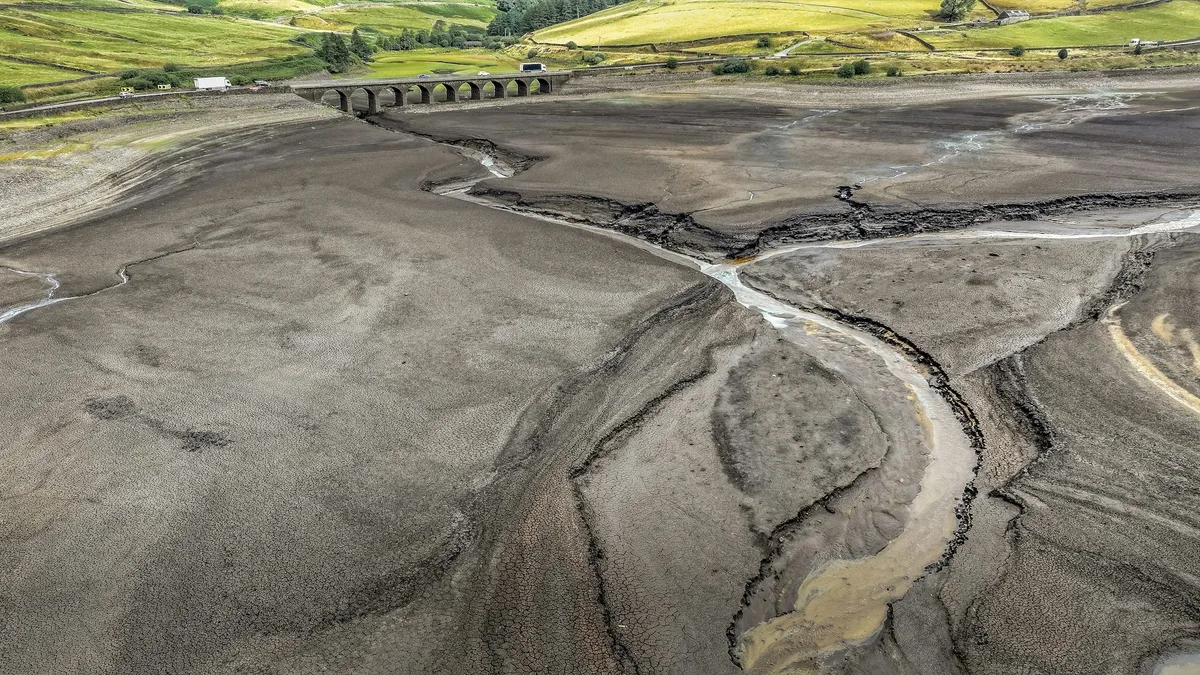
Christopher Furlong/Getty For over a decade, the world has been trying to limit global warming to 1.5°C.
That’s no longer possible, according to a new United Nations report .
We will likely pass 1.5°C in 2030.
That’s not good news for anyone, least of all Australia’s Pacific Island neighbours who face rapidly rising seas .
In response to the report, Palau’s President Surangel Whipps Jr said: It is hard to overstate the depth of emotion for those of us living on the frontline after having fought so hard to put the 1.5 degree limit at the heart of the Paris Agreement […] calls for greater ambition are no longer enough — we need to see an urgent and unprecedented increase in political will and investment in a climate safe future The small silver lining is that it’s still possible for this to be a temporary overshoot of the target.
If nations redouble their efforts to phase out fossil fuels and reduce other sources of emissions, they could limit peak warming to 1.8°C and then use carbon removal methods to bring temperatures back to 1.5°C or below this century.
In 2026, the world is already about 1.4°C warmer than pre-industrial levels, and the damage and death toll from climate-boosted disasters is ramping up .
The United Kingdom is warning of possible food shortages amid a historic drought.
Wildfires hit new areas in France and Spain , while glaciers are melting rapidly and the oceans are at their hottest level on record.
The enormous El Niño event emerging in the Pacific is likely to bring major disruption .
Every fraction of a degree makes things worse.
There are no good outcomes if we remain above 1.5°C.
Urgent cuts to emissions and efforts to protect the most vulnerable are our best remaining options.
Failure to do so risks irreversible harm.
5News aggregated this summary from the outlet’s public feed. The full article, with all the context, is on theconversation.com — the content belongs to The Conversation Australia.