New standards set for women’s pain after 13,000 shared their struggles
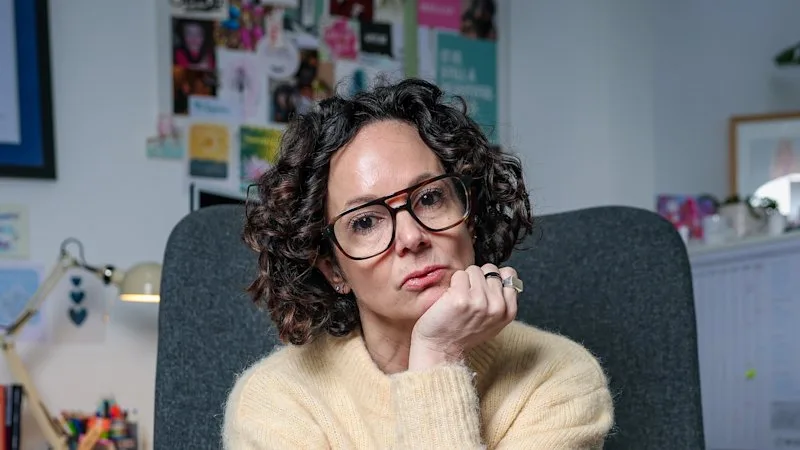
Thea Baker has a deep understanding of what women with long-term, undiagnosed pain endure.
Like hundreds of thousands of Australian women – one in seven by the age of 44-49 – she has lived with endometriosis, the condition that can cause so much pain many are sometimes crippled by it.
As a psychotherapist, she treats many patients living with “unending women’s pain” that has often been ignored, dismissed or belittled when they seek care.
“It’s exhausting even having to advocate for yourself all the time, to pitch up time and again to clinician after clinician and get this sense that somehow this is the kind of pain we’re just supposed to tolerate and accept,” Baker says. “That this is just what it’s like.”
The sweeping Victorian Women’s Pain inquiry in 2024 revealed “deep-seated medical misogyny and gender bias in the healthcare system” when it reported late last year, and Baker sees the effects of it among so many women.
Baker describes herself as an “annoying” person who will keep pushing for medical answers if what she is hearing doesn’t sound good enough. “I am white, super educated and don’t care if doctors don’t like me,” she says.
Baker was one of more than 13,000 women and groups who contacted the inquiry, which eventually found 90 per cent of respondents lived with pain for more than a year, 54 per cent experienced it every day and 53 per cent had a delayed diagnosis.
It found sexism and bias contributed to 71 per cent of respondents feeling dismissed by health officials.
Former health minister Mary-Anne Thomas oversaw the inquiry and immediately introduced the “green whistle” anaesthetic free for women having IUDs inserted at the state’s 20 women’s reproductive health hubs.
Also among the 27 recommendations released late last year was that standards be created to establish what patients should be able to expect.
Among these standards, which will be released on Sunday, are that “women must be taken seriously and believed when discussing their pain”, be listened to and supported to ask questions and express concerns, and be respected as partners in decision-making about their body, treatment and care.
Health Minister Ingrid Stitt said “very distressing recent examples of where women have been subjected to appalling care and treatment” made such standards important. She was referring to the alleged experiences of large numbers of patients of disgraced gynaecologist and endometriosis doctor Simon Gordon.
Healthcare watchdog the Australian Health Practitioner Regulation Agency launched an ongoing investigation into Gordon after The Age revealed allegations in February that he performed unwarranted endometriosis surgeries on women, including full hysterectomies. He denies this, but civil proceedings have been launched against Gordon in Victoria’s Supreme Court.
Legal firm Arnold Thomas & Becker said in August that it had been contacted by more than 500 women treated by Gordon and was representing 295 of his former patients.
5News aggregated this summary from the outlet’s public feed. The full article, with all the context, is on www.smh.com.au — the content belongs to Sydney Morning Herald - National.