Why it might be time to rethink the human family tree
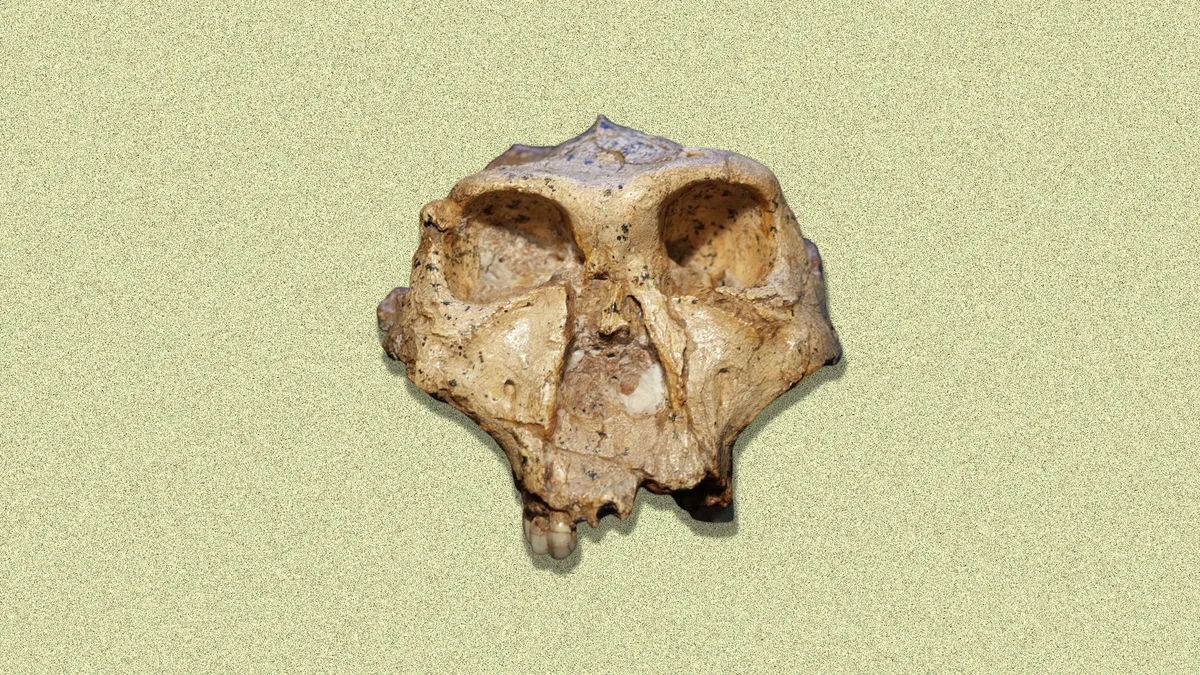
Ian Towle , CC BY Humanity’s family tree is long and tangled.
Scientists sort our ancient relatives into three familiar groups: Homo , Australopithecus and Paranthropus .
Each of these is a “genus”, the rank just above a species. (In Homo sapiens , Homo is the genus and sapiens is the species.) These names dominate how we talk about human origins.
But new fossils, advances in genetic analysis, and more rigorous methods for figuring out who’s related to whom show these groupings don’t really reflect the true shape of our family tree.
Is it therefore time to come up with a new way to classify humans and our closely related extinct relatives? As I argue in a new paper in the American Journal of Biological Anthropology , the current system is overdue for revision.
Finding family branches The core problem is the current groups often don’t represent real family branches – what scientists call “clades”.
A clade is one common ancestor and every one of its descendants.
There’s a second issue too.
Ideally, a genus should also tell us something about the behaviour, key traits, or way of life shared by all its member species.
Australopithecus (which includes the famous “Lucy” skeleton ) is the clearest case.
Large-scale analyses consistently find this genus isn’t a real family branch at all.
The problem traces back to how the genus was originally defined – not by shared ancestry, but by shared lifestyle or appearance.
Recent fossils show traits such as brain size and gait, as well as diet and behaviour, don’t map cleanly onto the actual family tree.
Distinctive human traits are hard to find Homo has its own problems.
5News aggregated this summary from the outlet’s public feed. The full article, with all the context, is on theconversation.com — the content belongs to The Conversation Australia.